Roof Rats in Lakeland’s Historic Tile-Roof Neighborhoods: Cleveland Heights, Lake Hollingsworth & Lake Morton
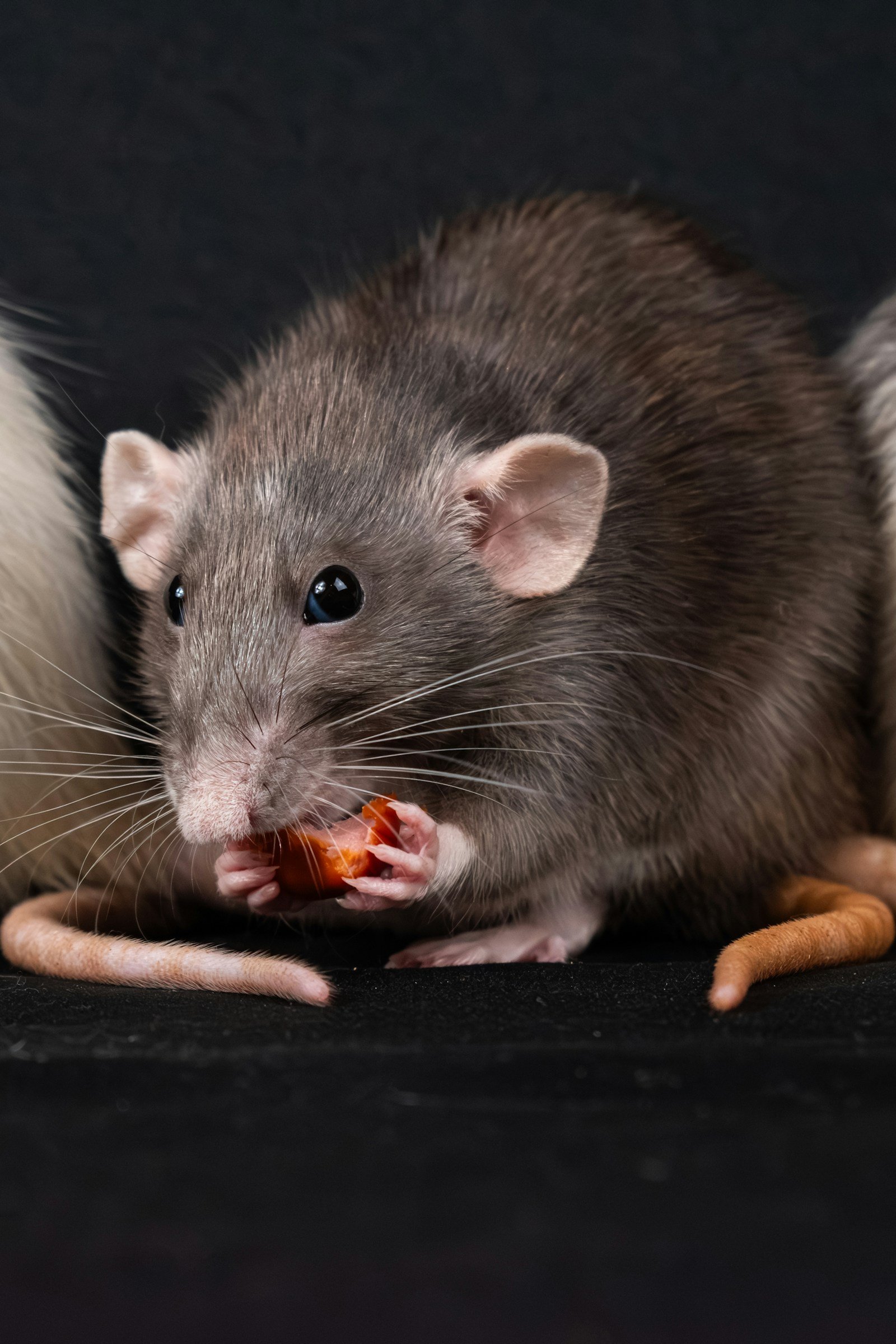
Group of rats — rodent infestation control in Polk County, FL

If you live in one of Lakeland’s historic tile-roof neighborhoods — Cleveland Heights, the Lake Hollingsworth shoreline, Lake Morton, or the Dixieland historic blocks — you’re in the part of Polk County where roof rat (Rattus rattus) pressure runs heaviest. These neighborhoods combine three things roof rats need: 1920s–1960s Spanish/Mediterranean barrel-tile roofing, decades-old live oak … Read more

Yard-Source or Neighbor-Source? How to Tell Where Your Lakeland Mosquito Problem Is Coming From

Adult mosquito feeding — mosquito control in Polk County FL

If you live in Lakeland, Winter Haven, or any of the lake-belt subdivisions across Polk County, you already know that mosquito pressure is unusually heavy here. What’s less obvious is where the mosquitoes are actually coming from. Most homeowners assume the bugs they’re swatting in their own yard are breeding in their own yard — … Read more

Why Lakeland Sits in Florida’s Highest Combined Termite Pressure Zone — Subterranean and Drywood

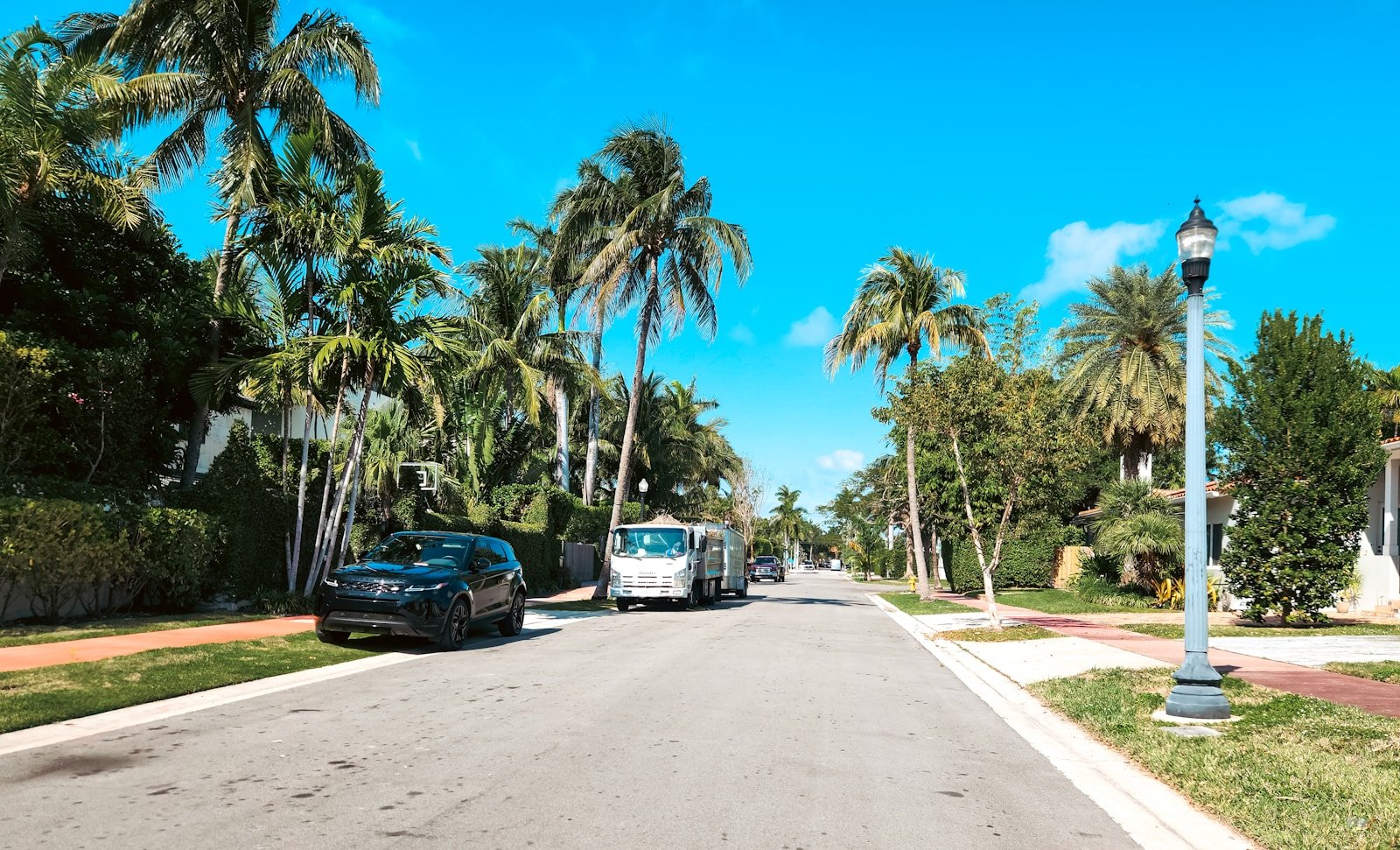
Florida residential street lined with palm trees — Lakeland and Polk County area

Most U.S. termite markets have one dominant species. Lakeland has two. The convergence of climate, geography, and building stock makes Polk County one of the very few American markets where both subterranean termites (Reticulitermes flavipes) and drywood termites (Cryptotermes brevis and Incisitermes snyderi) are established at high density — and where homeowners reasonably need to … Read more

Drywood Termites vs Subterranean Termites in Polk County: How to Tell the Difference (and Why It Changes Your Treatment Options)

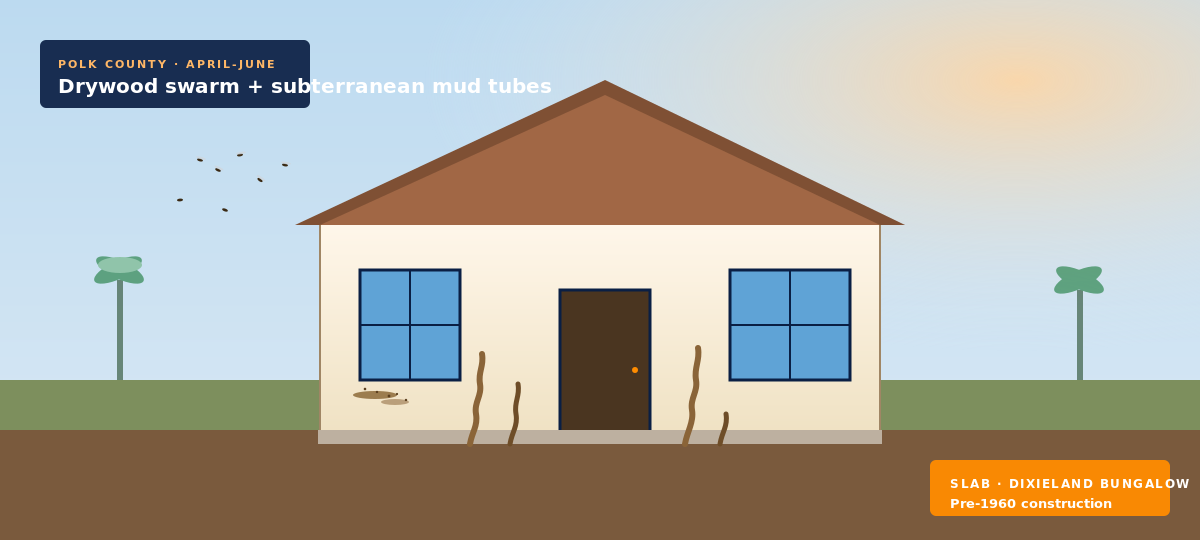
Eastern subterranean termite mud tubes climbing the slab of a Dixieland-era Lakeland bungalow with a drywood swarm overhead during April-June swarm season in Polk County, FL.

Polk County is one of the few U.S. markets where homeowners regularly encounter both subterranean termites (Reticulitermes flavipes) and drywood termites (Cryptotermes brevis and Incisitermes snyderi). The two are biologically distinct, leave different evidence, and require completely different treatments. Telling them apart is the first step to getting the right pest control response. Call the … Read more