A brand-new home is not a pest-free home. Here’s the first-year plan.
One call reaches a licensed, local exterminator who covers your address — and a real person answers, 24/7.
Talk to a licensed exterminator now
Call and we’ll connect you with a licensed, local exterminator who covers your address. It takes about two minutes, and a real person answers.
Free to call. Free to get matched. The licensed operator sets any service fee and quote.
24/7 line · A real person answers · Availability of same-day and emergency service depends on the provider.
Why the newest homes in Polk County get pests first
It surprises every new owner in North Lakeland, Kathleen and the I-4-corridor subdivisions: the house with the newest slab on the street is often the first one calling about ants. There are three structural reasons, and none of them are the builder’s fault.
Construction disturbs the soil
Clearing and grading demolish the ant colonies, rodent burrows and insect harborage that occupied the lot for years. The survivors don’t leave the neighborhood — they relocate into the nearest dry, food-adjacent structure. For the first year of a subdivision’s life, that’s the new homes.
Fresh sod is an ant superhighway
New sod and landscaping arrive with their own hitchhikers, and the heavy irrigation a new lawn needs creates exactly the moist slab-edge conditions that ghost ants and white-footed ants exploit. Trails along the foundation within weeks of move-in are the classic new-build pattern.
Months of open envelope
A house under construction sits with open walls, unsealed penetrations and crew lunch wrappers for months. Mice explore the framing long before the doors are hung — and some are still behind the drywall at closing. Fall move-ins hear them first.
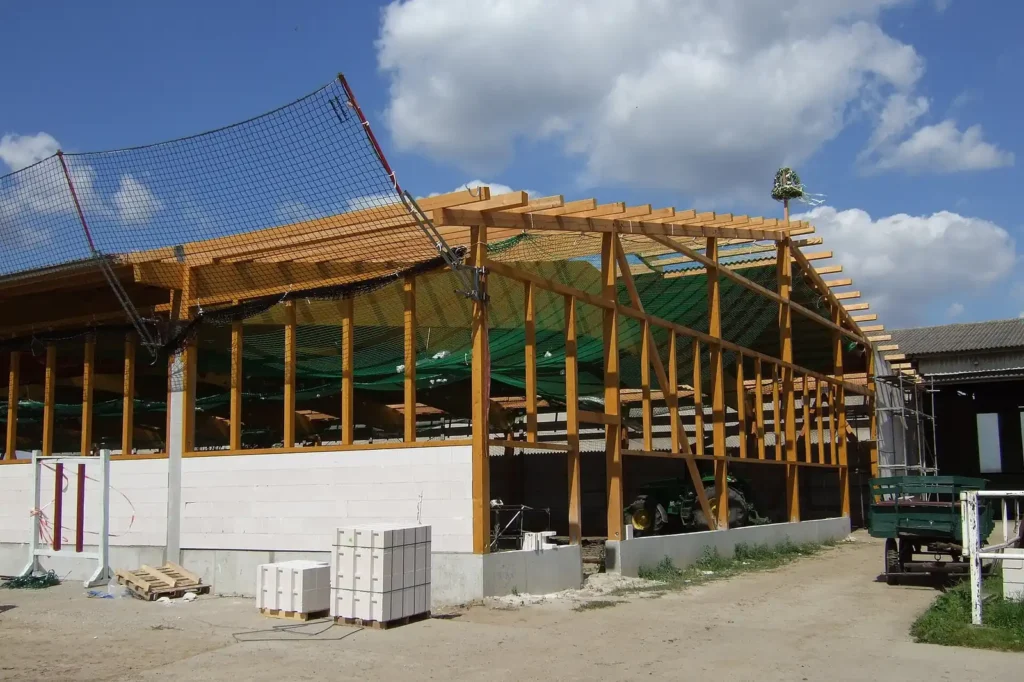
The gap between the builder’s termite pre-treat and your first pest plan
Every new Polk County home received a termite treatment during construction — the soil-applied barrier or bait system Florida’s building code requires before the slab is poured. That is the builder-phase product, and the pre-construction termite treatment guide covers it in depth. It targets exactly one threat: subterranean termites approaching from the soil.
It does nothing about ants, roaches, spiders or rodents. And the builder warranty doesn’t pick up the slack — warranties cover workmanship and structural defects, not living pests. Between your certificate of occupancy and your first recurring pest plan there is a coverage gap measured in months, and it lands exactly when displaced pest pressure around a new subdivision peaks.
Be clear about what the pre-treat is not: it is not a general pest treatment, it is not permanent, and the termite bond that came with it usually requires annual renewal to stay in force. Keep the Notice of Treatment and bond paperwork from your closing packet. If you’re weighing ongoing termite protection paths for the years ahead, the termite control guide walks through barrier, bait and bond decisions.
Seeing ant trails on brand-new sod?
One call reaches a licensed, local exterminator who covers your address — and a real person answers, 24/7.
Free to call. Free to get matched. The licensed operator sets any service fee and quote.
How getting matched works
You call the dispatch line
Tell the line where the property is. The dispatch service covers Lakeland, Kathleen, North Lakeland and all of Polk County — including the newest I-4-corridor communities.
A coordinator confirms the need
A real person takes the details: how new the home is, what you’re seeing, and where — sod line, kitchen, garage, attic. That context routes you to the right kind of operator.
An independent operator contacts you
You’re matched with an FDACS-licensed company serving your ZIP. They schedule the visit, design the plan and set every price. The dispatch line never performs or prices the work.
You decide
No obligation at any point. Ask about first-visit scope, plan cadence and what’s included in writing — then compare and choose on your own timeline.
What moves a new-build pest plan’s fee (we never set prices)
Every independent operator prices their own plans. On new construction, these are the levers they weigh:
- First-visit baseline scope — the initial interior-and-exterior service on a new home does more work than a maintenance visit: entry-point mapping, garage and attic checks, and a full perimeter application. Most plans front-load effort here.
- Lot and landscaping — fresh sod area, irrigation zones and planting beds tight against the slab edge all expand the exterior treatment zone.
- Plan cadence — monthly, bimonthly and quarterly service carry different visit economics; new builds often start tighter and relax after the first rainy season.
- Construction leftovers — buried form boards, grade stakes and wood scrap in the backfill are conducive conditions that can add removal or exclusion recommendations.
- Season of move-in — a summer certificate of occupancy drops you into peak ant pressure; a winter close buys setup time before the surge.
Verify before you hire — any Florida pest company’s license status, categories and discipline history is public at the FDACS license search at aessearch.fdacs.gov. And before you book anyone, the questions-to-ask guide arms you for the call.
The first-year calendar for a just-built Polk County home
| Months after closing | What typically shows up | The move |
|---|---|---|
| 0–3 | Displaced ants trailing the slab edge and fresh sod; occasional invaders following construction disturbance | Baseline visit and exterior perimeter service before pressure establishes indoors |
| 3–6 | Ghost and white-footed ant trails at the kitchen and irrigation lines; spiders following the insect food supply | Recurring exterior cadence; correct sprinkler overspray hitting the foundation |
| 6–12 | First full rainy season drives moisture pests; rodents probe soffits and garage gaps as fall cools | Entry-point and attic check; sealing recommendations from the operator |
| Year 1+ | The pre-treat ages and the builder’s termite bond hits its first renewal date | Renew or replace the bond on time — lapses are the costliest new-home mistake |
New-build pest questions, answered straight
Why does my brand-new Lakeland home already have ants?
Construction displaced every colony on the lot, and the irrigation new sod needs keeps the slab edge moist — ghost ants and white-footed ants exploit both. It’s the most common first-year call from new subdivisions in North Lakeland and Kathleen, and a baseline visit plus an exterior cadence usually gets ahead of it.
Doesn’t the builder’s termite treatment protect me from pests?
No. The pre-construction treatment is a soil barrier or bait install aimed only at subterranean termites. Ants, roaches, spiders and rodents are untouched by it — general pest protection starts with the homeowner’s own plan after closing.
Is pest activity covered by my builder warranty?
Almost never. Builder warranties cover workmanship and structural defects, not living pests. If pests are exploiting a construction defect — an unsealed penetration, a gap at the garage slab — document it, because sealing the defect may be warranty work even though the treatment is not.
When should the first pest service happen after closing?
Most operators recommend a baseline visit within the first month of occupancy, before displaced pressure establishes indoors. The exact timing and scope are the licensed operator’s call once they see the property and the lot around it.
Do I still need termite protection if the home was pre-treated?
Yes, eventually. The pre-treat has a service life, and the bond that came with it usually requires annual renewal to stay in force. Keep the Notice of Treatment and bond paperwork from closing and calendar the renewal date — a lapsed bond is the most common new-home termite mistake.
What should a first-year plan for a new build include?
A documented baseline visit, a recurring exterior cadence through the first rainy season, entry-point sealing recommendations, and a check on the termite bond status. The plan design and every price come from the FDACS-licensed operator who sees the property.
The first year sets the baseline for every year after.
One call reaches a licensed, local exterminator who covers your address — and a real person answers, 24/7.
Free to call. Free to get matched. The licensed operator sets any service fee and quote.
Disclosure
Lakeland Exterminators is a dispatch and matching service. We connect Polk County callers with FDACS-licensed structural pest control operators. We are not a licensed pest control operator and we do not perform inspections or treatments. We do not set prices, issue warranties, hold retreatment bonds, or carry pest control trade insurance. All pricing — including any inspection fee — scheduling, treatment plans, warranties, bonds and service terms are determined by the FDACS-licensed operator dispatched to your address under Chapter 482, Florida Statutes.
Same-day and 24/7 emergency services are subject to provider participation, location, technician availability, and demand. Availability is not guaranteed and may vary by market and appointment capacity.
License status of any operator you connect with is publicly verifiable at the FDACS license search: aessearch.fdacs.gov.