In a short-term rental, a roach is not a pest problem. It is a review problem.
One call reaches a licensed, local exterminator who covers your address — and a real person answers, 24/7.
Talk to a licensed exterminator now
Call and we’ll connect you with a licensed, local exterminator who covers your address. It takes about two minutes, and a real person answers.
Free to call. Free to get matched. The licensed operator sets any service fee and quote.
24/7 line · A real person answers · Availability of same-day and emergency service depends on the provider.
Why STR pest stakes are different
The pest species are the same ones every Polk County homeowner deals with. What changes is the cost of a single sighting — and the rhythm of the building.
One sighting, one public review
A palmetto bug crossing the lanai at 10 PM becomes a photo, a refund demand and a review that outlives the booking. In Florida these big outdoor roaches wander into the cleanest homes — guests from out of state don’t know that, and the review doesn’t explain it.
Turnover cadence feeds pests
New food residue every few days, doors propped open during cleans, sugary spills on pool decks and lanais — an STR generates ant pressure a family home never does. White-footed ants will run a lanai railing all summer once they find the pattern.
Vacancy is its own risk
Self-check-in homes sit silent for days between bookings — and quiet, food-adjacent structures are exactly what rodents scout in the cool months. Nobody is home to hear the first night of activity, so discovery happens at check-in.
One factual note for hosts: bed-bug-specific concerns require a specialized licensed provider and fall outside this dispatch line.
Where Polk County hosts feel it most
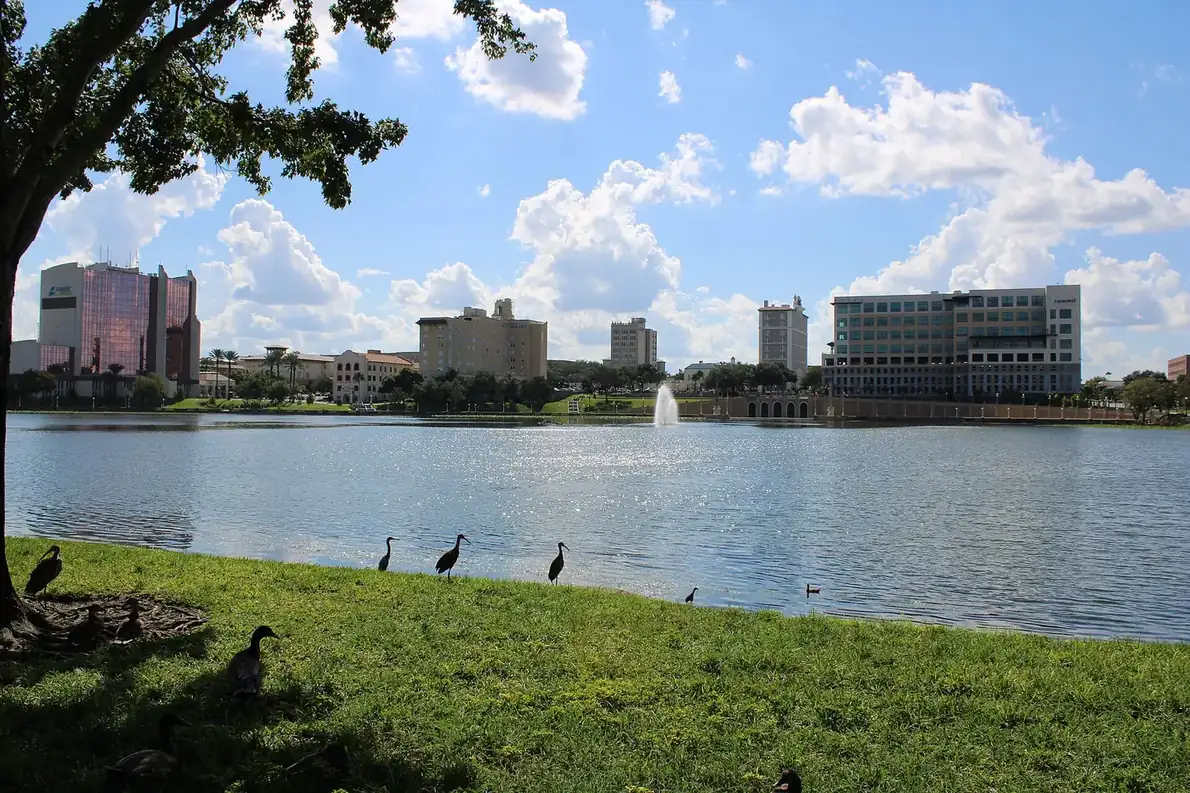
The pressure maps to geography. Hosts running units off the Memorial Boulevard corridor and across North Lakeland deal mostly with turnover-driven roach and ant pressure — older housing stock, mature landscaping, heavy guest rotation. The Disney-commute homes on the I-4 side of the county add scale: more bedrooms, more kitchens, pool decks that work hard every weekend. And lakefront STRs — the Winter Haven chain-of-lakes listings and Lake Parker-adjacent homes that trade on the water view — sit against shoreline vegetation that generates steady insect pressure toward the house, which makes the exterior treatment zone the whole game.
Different maps, same conclusion: STR pest control is won on the outside of the house, on a schedule, before anything reaches a guest’s camera roll.
Next guest checks in Friday at 4?
One call reaches a licensed, local exterminator who covers your address — and a real person answers, 24/7.
Free to call. Free to get matched. The licensed operator sets any service fee and quote.
The between-check-ins playbook
Flag it at turnover
Put a 60-second pest scan on the cleaner’s checklist: kitchen, under sinks, lanai and pool deck. A sighting flagged at turnover is a scheduling problem; a sighting flagged by a guest is a refund conversation.
Call with your booking window
Tell the dispatch line the checkout and next check-in times. The coordinator passes the window to the operator so the match accounts for it from the start — availability always depends on the provider.
Coordinate access remotely
Smart locks and lockbox codes let the operator in with nobody onsite — the standard move for remote hosts. Confirm entry and completion by message, the same way you run your cleaners.
Document and reset
Invoice and findings go in your records; the operator advises any re-entry timing based on the products used. Tell them it’s a guest-facing unit — it shapes what they choose and where they apply it.
The pantry problem, the quarterly rhythm and the paper trail
Guests bring pests in — not an insult, just logistics
Every arriving car unloads groceries, beach bags and luggage that spent last night somewhere else. German cockroaches travel in cardboard boxes and grocery bags and establish fast in kitchens; pantry pests arrive sealed inside flour, cereal and snack packages and announce themselves weeks later. An STR that stocks courtesy staples — coffee, sugar, cooking oil, the welcome-basket granola — is running a tiny commercial dry store, and it deserves the same airtight-container discipline. Decant staples, date them, and have cleaners pull anything opened by a departing guest. The German cockroach guide covers why a single introduced roach becomes a kitchen population if the first week goes unanswered.
Why hosts land on a quarterly program
A proactive quarterly exterior program fits the booking economy’s math: four planned visits a year, scheduled into calendar gaps you choose, against the alternative of emergency calls negotiated around guests. In Polk County the quarters even carry their own assignments — spring ant surge as the rains return, high-summer palmetto bug pressure, the fall rodent push when nights cool, and a winter entry-point check while pressure is lowest. The cadence and every price are set by the licensed operator after seeing the property; quarterly is simply the rhythm operators most often propose for guest-facing homes, with the exterior focus that keeps the work invisible to bookings.
The host’s documentation habit
Keep a pest service log the way you keep cleaning records: dates, findings, invoices, photos of anything a cleaner flags. When a guest claims an infestation and requests a full refund, a log showing a licensed operator’s visit and written findings two weeks earlier changes that conversation — with the guest and with the platform’s resolution process, where dated third-party documentation is the strongest card a host holds. The log also hands any new operator a history instead of a blank slate, which sharpens their first inspection.
How getting matched works
You call the dispatch line
Tell the line where the unit is — Lakeland, the I-4 corridor or anywhere in Polk County. Several listings? One call covers them.
A coordinator confirms the need
A real person takes the details: what was seen, where, and your booking calendar. That context routes you to an operator comfortable with occupied-adjacent scheduling.
An independent operator contacts you
You’re matched with an FDACS-licensed company serving your ZIP. They schedule against your calendar, perform the work and set every price. The dispatch line never treats or prices anything.
You decide
No obligation. Ask about recurring exterior programs, remote-access comfort and written per-visit notes — then compare and choose.
What moves an operator’s fee on STR work (we never set prices)
Every independent operator prices their own service. On short-term rentals, these are the levers:
- Response window — working a same-day turnover gap is a different job than a flexible weekday visit, and operators price the difference.
- Service model — a recurring exterior program suppresses the surprise sightings that per-incident call-outs only chase; across a booking year the recurring buy is usually the efficient one.
- Property features — pool decks, lanais, docks and lakefront vegetation expand the exterior treatment zone well beyond a standard foundation perimeter.
- Occupancy pattern — heavy turnover argues for tighter cadence; long vacant stretches shift the work toward rodent monitoring and exclusion checks.
- Access logistics — remote coordination, smart-lock entry and photo documentation take coordination time that shows up in the service design.
Verify before you hire — any Florida pest control company’s license status, categories and discipline history is public at the FDACS license search. Running long-term units as well? The rental property guide covers statute duties, turnover treatments and documentation on that side.
STR pest questions, answered straight
What do guests report most in Polk County short-term rentals?
Palmetto bugs — the big outdoor American cockroaches that wander onto lanais and into kitchens at night — lead by a wide margin, followed by ant trails in kitchens and on pool decks. Rodent reports cluster in homes that sat vacant between bookings during the cooler months.
Can pest service happen between checkout and check-in?
Often, yes — give the dispatch coordinator the exact window and it’s passed to the operator up front. Same-day turnaround always depends on the provider’s availability, which is why hosts who flag issues at turnover rather than mid-stay almost always get the schedule they want.
How does the operator get in if I manage remotely?
The same way your cleaners do: a smart-lock code or lockbox, issued for the visit and confirmed by message when the work is done. Operators who serve short-term rentals handle remote access routinely — ask about it when you’re matched.
Will guests notice anything after a treatment?
Tell the operator it’s a guest-facing unit — that shapes the products chosen, where they’re applied and any re-entry timing they advise. Exterior-focused work between stays is designed to be invisible by check-in; follow the operator’s guidance on timing.
What about homes that sit empty between bookings?
Vacancy is when rodents scout. For self-check-in homes with gaps in the calendar, operators typically recommend an exterior cadence plus periodic entry-point and attic checks, so the first sign of activity is found by a professional — not by the next guest.
Does a recurring plan make sense for a short-term rental?
Usually, yes. A recurring exterior program attacks the two structural STR problems at once — turnover-driven ant and roach pressure, and vacancy-driven rodent risk — before either reaches a review. The cadence and every price are set by the licensed operator after seeing the property.
Five-star cleanliness scores are a pest-control outcome.
One call reaches a licensed, local exterminator who covers your address — and a real person answers, 24/7.
Free to call. Free to get matched. The licensed operator sets any service fee and quote.
Disclosure
Lakeland Exterminators is a dispatch and matching service. We connect Polk County callers with FDACS-licensed structural pest control operators. We are not a licensed pest control operator and we do not perform inspections or treatments. We do not set prices, issue warranties, hold retreatment bonds, or carry pest control trade insurance. All pricing — including any inspection fee — scheduling, treatment plans, warranties, bonds and service terms are determined by the FDACS-licensed operator dispatched to your address under Chapter 482, Florida Statutes.
Same-day and 24/7 emergency services are subject to provider participation, location, technician availability, and demand. Availability is not guaranteed and may vary by market and appointment capacity.
License status of any operator you connect with is publicly verifiable at the FDACS license search.