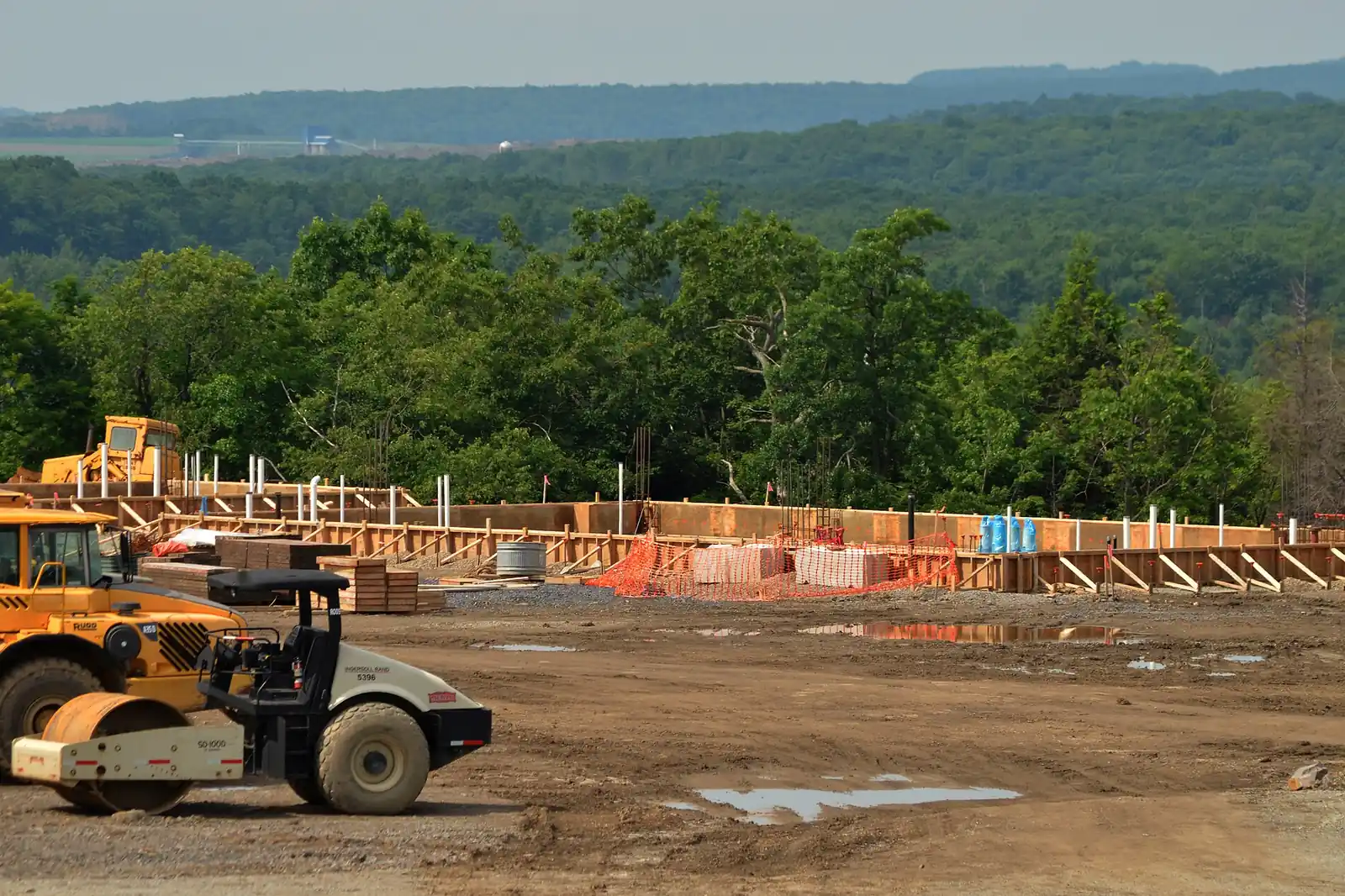
A slab pre-treat quote is geometry plus trips. Here is how operators build the number.
One call reaches a licensed, local exterminator who covers your address — and a real person answers, 24/7.
Talk to a licensed exterminator now
Call and we’ll connect you with a licensed, local exterminator who covers your address. It takes about two minutes, and a real person answers.
Free to call. Free to get matched. The licensed operator sets the price.
24/7 line · A real person answers · Availability of same-day and emergency service depends on the provider.
The two measurements that anchor every quote
Before method, before schedule, the operator prices geometry. Two numbers off your foundation plan set the floor of any honest quote — and a third detail quietly moves it:
Slab square footage
The horizontal application covers the entire area under the slab, so treated area scales material and labor directly. A 3,000 sq ft footprint takes proportionally more termiticide emulsion than an 1,800 sq ft one — the product is applied at a labeled rate per unit of area, and no legitimate operator can shave that rate to win a bid.
Footer linear footage
The vertical treatment follows the foundation perimeter and grade beams, priced by linear feet of trench and slab edge. Complex footprints — courtyards, wing walls, attached garages on separate footers — carry more linear feet than a simple rectangle of the same square footage, and the quote follows the perimeter, not the floor plan’s marketing sheet.
Penetrations and details
Plumbing penetrations, expansion joints and interior grade beams each need concentrated treatment. A plan dense with wet walls and pipe stubs takes more time and material than the bare footprint suggests — operators who quote from real plans catch this; operators who quote blind guess.
Method choice changes the fee logic
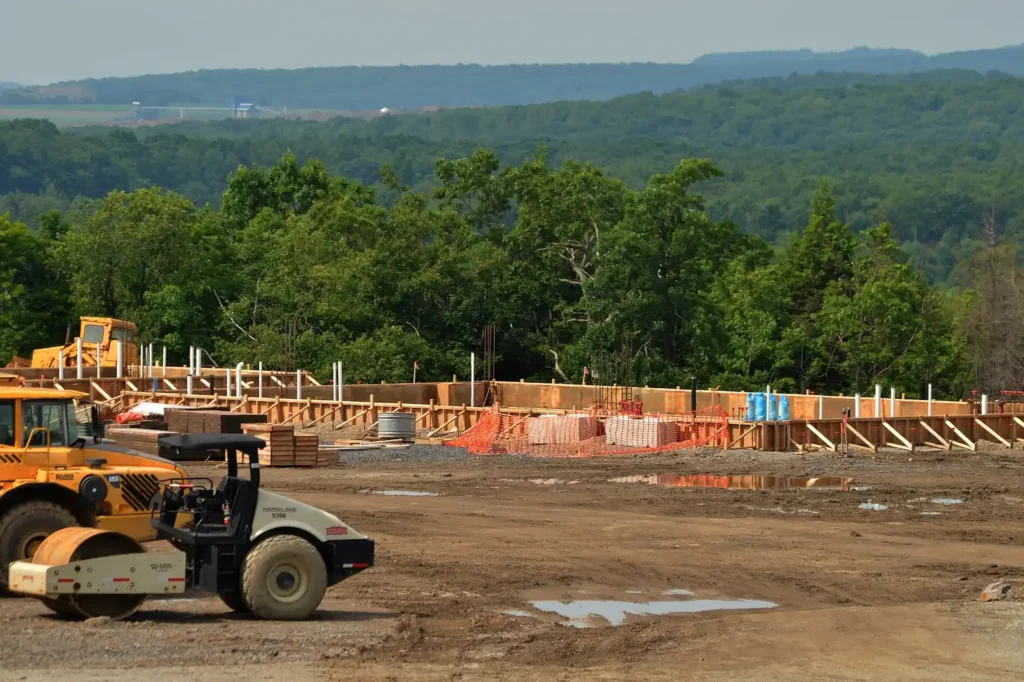
Florida code accepts more than one path to compliance, and each one prices differently — not just at install, but across the life of the coverage:
| Method | What scales the fee | What to ask the operator |
|---|---|---|
| Liquid soil pre-treat | Slab area and footer footage at a labeled application rate, with two site visits built into the product | Which termiticide and concentration, and what the re-treat window looks like years down the line |
| Bait system | Number of stations around the finished perimeter plus the ongoing monitoring obligation | Whether the fee splits into install-plus-monitoring, and what happens to coverage if monitoring lapses |
| Borate wood treatment | Treated lumber surface area at the dried-in stage — driven by framing size and detail, not slab area | Which structural members are covered, and how later additions or repairs affect the coverage |
If you are still weighing what each method actually is and where it lands in the build sequence, the pre-construction treatment guide covers the how and the code. This page stays on the money logic.
Pricing a build in Polk County?
One call reaches a licensed, local exterminator who covers your address — and a real person answers, 24/7.
Free to call. Free to get matched. The licensed operator sets the price.
Trips: the quiet multiplier
A standard slab pre-treat is two mobilizations — the horizontal pass before the pour and the vertical pass at final grade. Each trip carries crew, truck and rig time, so anything that adds trips adds cost: pour delays that force re-treatment of rain-washed soil, phased pours on larger foundations, split schedules where a garage or lanai slab pours separately from the main house. Polk County’s summer storm pattern makes the rain-delay trip a real line item, not a hypothetical — operators who work new construction here price their schedule risk accordingly.
When two quotes for the same plan land far apart, trip assumptions are one of the first places to look. One operator may be pricing a single combined visit on an aggressive schedule; the other may be pricing three mobilizations with a wet-season buffer. Neither number is dishonest — they are different bets on your calendar.
Builder-contract vs owner-direct pricing
Production builders buy pre-treats in volume. A treater working an entire street prices each slab knowing the truck is already in the neighborhood, the plans repeat, and the schedule is coordinated by a superintendent. An owner-builder contracting a single treat on an acreage lot is buying a dedicated mobilization and one-off plan review — the quote reflects that. Neither is wrong; they are different products.
The other divergence is paper. Ask any operator what the initial certificate covers, how long it runs, what renewal looks like after the first year, and whether it transfers cleanly at closing. Re-treat certificate terms are part of the price: a lower install quote with no renewal path can cost more over ten years than a higher quote attached to a durable, transferable certificate.
For homes already standing, the same decode-the-levers approach applies to remedial work — the termite treatment cost guide covers barrier, bait and tent fee logic for existing Lakeland homes.
Verify before you sign: any Florida pest control company’s license status and categories are public at the FDACS license search. Pre-construction soil treatment is regulated termite work; check the license before comparing numbers.
How getting matched works
Straight up: Lakeland Exterminators is a dispatch and matching service, not a licensed pest control operator. Here is the exact path your call takes.
Call the dispatch line
Tell the 24/7 line where the site is. New-construction pricing calls route to independent operators who quote builder work, not just service routes.
Share the plan numbers
Slab square footage, footer linear feet, pour date and preferred method — straight off the foundation plan is exactly what the estimator wants.
The operator prices the job
The independent FDACS-licensed operator builds the quote and owns every number in it. We never see, set or take a cut of the price.
Compare on logic, not just totals
Line up quotes by trips, method, and certificate terms — the cheapest install is not always the cheapest coverage.
Pre-treat pricing questions, answered straight
Why does this page not list any prices?
Because we do not set them. Lakeland Exterminators is a dispatch service — every pre-treat fee is set by the independent FDACS-licensed operator who treats the site, and quotes move with chemical costs, fuel and schedule. Any number printed here would be wrong in both directions within a season.
Does a bigger slab always mean a bigger fee?
More area means more material at the labeled rate, so yes as a baseline — but shape matters nearly as much as size. A complex footprint with long footer runs and many penetrations can out-price a larger, simpler rectangle.
Is a bait system cheaper than a liquid pre-treat?
Often at install, rarely over the life of the coverage — bait pricing typically splits into installation plus ongoing monitoring, while liquid front-loads the cost with a re-treat decision years out. Compare total cost across your expected ownership, not just the install line.
Who actually pays for the pre-treat?
On production and spec homes, the builder — it is a construction line item priced into the house. Owner-builders and custom clients contract directly with the operator and pay the fee themselves.
Why was I quoted for two site visits?
Because the standard code path is two applications: horizontal treatment before the vapor barrier and pour, then vertical perimeter treatment at final grade. Two mobilizations are the standard product, not an upsell.
What is a re-treat certificate and why does it affect the price?
It is the treating company’s documented promise: what was treated, with what product, and what the company will do if termites appear during the term. Operators price install and certificate together — a durable, renewable, transferable certificate justifies a higher install fee than a bare treat-and-leave job.
Get the number from the operator, not the internet.
One call reaches a licensed, local exterminator who covers your address — and a real person answers, 24/7.
Free to call. Free to get matched. The licensed operator sets the price.
Disclosure
Lakeland Exterminators is a dispatch and matching service. We connect Polk County callers with FDACS-licensed structural pest control operators. We are not a licensed pest control operator and we do not perform inspections or treatments. We do not set prices, issue warranties, hold retreatment bonds, or carry pest control trade insurance. All pricing — including any inspection fee — scheduling, treatment plans, warranties, bonds and service terms are determined by the FDACS-licensed operator dispatched to your address under Chapter 482, Florida Statutes.
Same-day and 24/7 emergency services are subject to provider participation, location, technician availability, and demand. Availability is not guaranteed and may vary by market and appointment capacity.
License status of any operator you connect with is publicly verifiable at the FDACS license search.