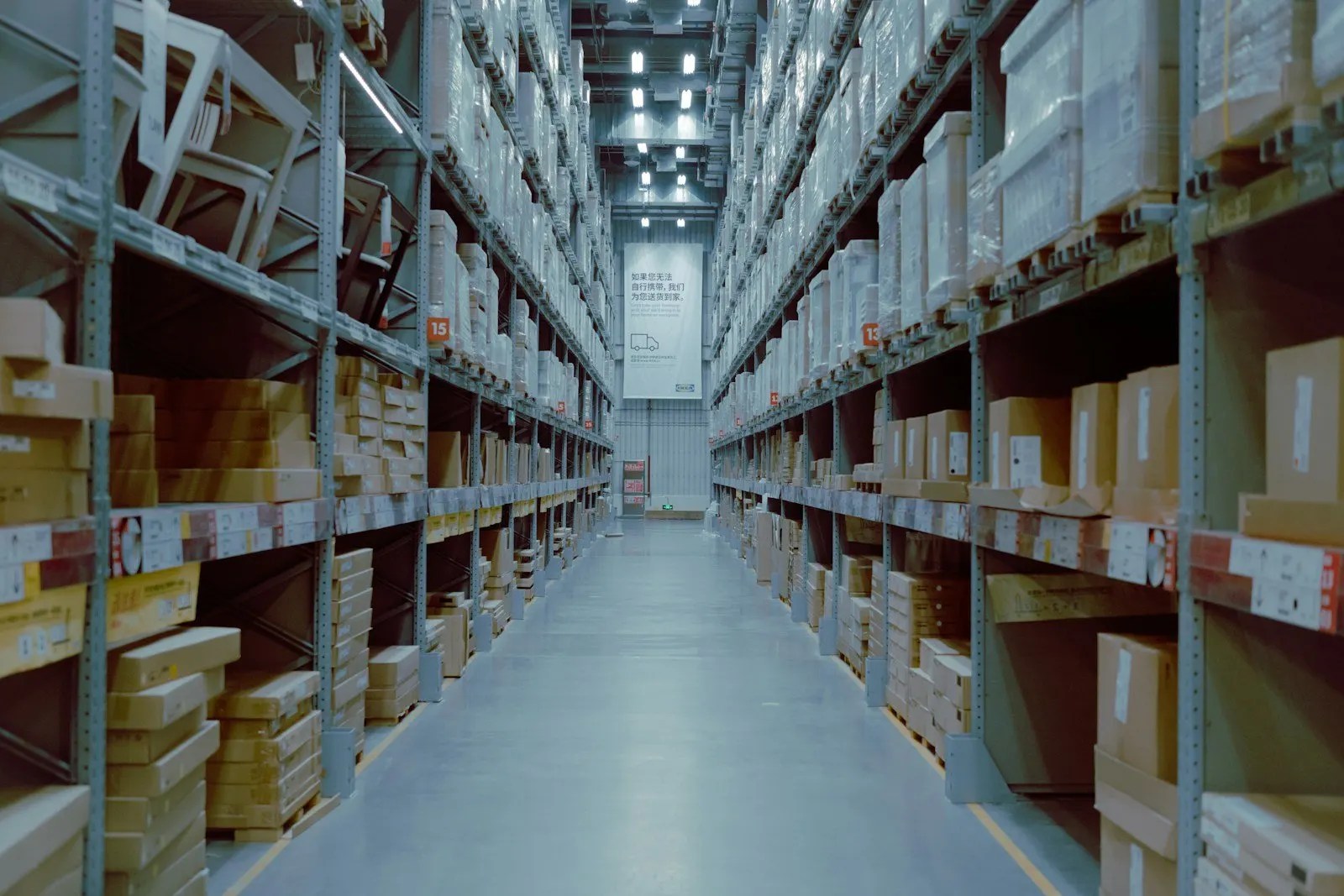
Every dock door is a rodent door. The question is what’s already on the other side of it.
This page is for the facility and operations managers running distribution space in Lakeland — the County Line Road parks, the I-4 interchange sites, the food-grade and general-commodity buildings in between. Enter your facility’s ZIP and the 24/7 dispatch line matches you with an independent FDACS-licensed operator that runs warehouse accounts: station grids, trap lines, device maps and the paperwork that survives an audit.
Talk to a licensed exterminator now
Call and we’ll connect you with a licensed, local exterminator who covers your address. It takes about two minutes, and a real person answers.
Free to call. Free to get matched. The licensed operator gives the quote.
24/7 line · A real person answers · Availability of same-day and emergency service depends on the provider.
Why Lakeland warehouses sit in the rodent crossfire
Lakeland’s warehouse boom is a geography story: the midpoint of the Tampa–Orlando I-4 corridor, with distribution parks stacked along County Line Road and the interchanges. That same geography is a pest story. Big-footprint tilt-ups sit on former pasture and field edge, ringed by retention ponds and hedgerows — exactly the habitat Norway rats burrow in and field mice work. Between the habitat and your inventory stands a row of dock doors that cycle open all day and seal imperfectly all night.
The pressure comes from two directions at once. From outside: rodents tracking the building perimeter, testing every gap under every door, every leveler pit, every conduit penetration. From inside your own supply chain: whatever rode in on this morning’s freight — roaches and silverfish in corrugate, stored-product insects in food-grade loads. A warehouse program that only watches one direction is half a program.
The four fronts of a distribution facility
Dock doors and leveler pits
Worn bottom seals, daylight at the corners, and gaps around dock-leveler frames are the standard entry set. The field test is simple: if you can see light under a closed door, a mouse can transit it. Operators pair brush-seal and gap recommendations with mechanical trap coverage just inside every dock position.
Rats on the perimeter
Norway rats burrow along retention ponds, dumpster pads and slab edges, then work the building line nightly. Roof rats travel conduit, fence lines and landscaping to reach the roofline. Exterior bait stations at regular intervals around the full perimeter — mapped and numbered — are the control line.
Freight introductions
Pallets and cardboard are transportation for pests: roaches and silverfish harbor in corrugate flutes, and stored-product insects arrive inside food-grade loads. Inbound inspection habits, fast cardboard breakdown and slip-sheet use where possible cut the introduction rate before treatment is ever needed.
Birds in the high bays
Pigeons and sparrows nest in joists and over racking, and droppings above stored product are an immediate audit and sanitation finding. Licensed operators handle deterrents, netting and cleanup as part of an industrial program — it’s exclusion work, not extermination theater.
How getting matched works
Call the dispatch line or call the line
The 24/7 dispatch line takes the facility ZIP and a few details. A real person answers, any shift — which matters when the sighting happens at 2 a.m. on receiving.
Describe the facility
Square footage, dock count, general commodity or food-grade, any audit scheme and its timeline, and what triggered the call — droppings in an aisle, a customer complaint, or program shopping.
Get connected with a licensed operator
You’re matched with an independent FDACS-licensed company that runs industrial and distribution accounts. Verify any operator’s license status yourself at aessearch.fdacs.gov before you sign.
The operator walks the site, maps it and quotes
Perimeter walk, dock-seal review, interior trap-line plan, device map and a written service cadence. All pricing and agreement terms come from the operator — never from this line.
Verify before you hire — any Florida pest control company’s license status, categories and discipline history is public at the FDACS license search. Check the operator you are matched with; the good ones expect it.
Audit in six weeks and droppings in aisle fourteen?
One call reaches a licensed, local exterminator who covers your address — and a real person answers, 24/7.
Free to call. Free to get matched. The licensed operator gives the quote.
Station grids, trap lines and the map that proves it
Warehouse pest control is a mapping discipline. The industrial-account standard looks like this:
- Exterior bait stations — tamper-resistant, placed at regular intervals around the full building perimeter and at pressure points (dumpster pad, pond side, dock apron), each one numbered and plotted on a site map.
- Interior trap lines — mechanical traps along wall lines and racking aisles, concentrated at dock positions and break areas. Inside the building, mechanical devices are the norm: most food-safety audit frameworks restrict interior rodenticide use, so a program leaning on interior bait is a red flag in itself.
- Insect monitors — glue monitors and, in food-grade space, pheromone traps for stored-product insects, checked and logged on the same route.
- The paper layer — a service ticket per visit, device-by-device check records, trend logs by zone, and corrective-action notes. When a third-party auditor asks for the pest program, this stack — map, tickets, trends, corrections — is what they mean.
Ask candidates to show a sample device map and trend report from an existing industrial account (redacted is fine). Operators who run this class of work have them ready; operators who don’t will improvise, and you’ll be the practice account.
Cardboard is harborage: the inbound-freight habit set
The cheapest pest control in a warehouse is done at receiving. Corrugate flutes are ready-made roach and silverfish harborage — which is why long-stored cardboard, idle pallet stacks and packaging corners quietly become the building’s insect nursery. The habits that starve the problem: break down and remove cardboard fast instead of staging it for weeks, keep pallet storage away from the building line, rotate slow-moving product so nothing sits untouched for a year, and give receiving crews a simple rule — if a load shows live activity, it gets flagged before it gets racked, not after.
Facilities with break rooms, vending alcoves and on-site cafeterias also carry a food-service micro-zone inside the industrial envelope — the same German-roach dynamics restaurants fight, in miniature. The restaurant pest control page explains that side of the pressure; a good industrial program covers the break room on the same route as the racking.
Third shift: the 2 a.m. dock-door problem
Distribution in Lakeland does not keep office hours. Receiving runs nights along County Line Road and Drane Field Road, and that schedule matters biologically: Norway rats and roof rats do most of their foraging in the hours after midnight — exactly when dock doors stand open for trailer swaps and the building glows like a beacon over dark pasture. A door that seals perfectly at a 10 a.m. walk-through spends half the night open to the apron.
Night crews are therefore the program’s most valuable sensors, and the habits worth building into the shift are simple. Log every sighting with time and aisle — a rat crossing the apron at 2 a.m. is data the operator can act on. Keep apron and dock lights from washing over open doorways where practical; lit thresholds draw flying insects by the thousand, and the predators that hunt them follow. Close doors between trailers instead of propping them for the shift. And ask the licensed operator to schedule service windows around receiving, so device checks in the dock zone happen when the doors are actually working. A program designed only around day-shift conditions misses the half of the building’s life when the pressure is highest.
Before you sign a facility agreement
Run every candidate through the questions-to-ask guide with an industrial lens — device counts, map samples, check frequency, and who covers a missed route week. Then verify the license: any Florida pest control company’s status, categories and discipline history is public at the FDACS license search. Commercial work requires an FDACS-licensed business — confirm it in writing, not on a handshake.
Warehouse pest questions, answered straight
How do rodents actually get into a warehouse?
Mostly through the dock: worn bottom seals, gaps at leveler-pit frames, doors that stand open through loading shifts, and utility penetrations that were never sealed. Mice need a gap about the width of a pencil; rats need little more. Exclusion — seals, sweeps, sealed penetrations — plus mapped exterior stations is the standard answer, and trapping alone without exclusion is a subscription to the same problem.
Can rodent bait be used inside the building?
The industrial standard is exterior bait, interior mechanical. Tamper-resistant bait stations run outside on the perimeter; inside, wall-line and racking-aisle coverage uses mechanical traps, because most food-safety audit frameworks restrict interior rodenticide. If a proposal leans on interior bait in a food-grade building, question it.
What pest documentation do third-party audits ask for?
The recurring request set is consistent: a numbered device map, per-visit service tickets, device-check records, trend logs by zone, corrective-action notes, and the operator’s license and product documentation. The specifics vary by audit scheme — the operator servicing your building should ask which scheme applies and structure records to it.
Do incoming pallets really bring pests?
Constantly. Corrugate carries roaches and silverfish in its flutes; food-grade loads can carry stored-product insects; pallet wood shelters whatever loaded with it. An inbound-inspection habit at receiving, fast cardboard breakdown and monitors near receiving doors catch introductions while they’re still a flagged load instead of an established population.
What about birds nesting over the racking?
Pigeons and sparrows in high bays are a sanitation and audit problem — droppings over stored product get written up immediately. Licensed operators handle it with exclusion netting, deterrents at roost lines and documented cleanup. It’s structural work more than treatment, and it belongs inside the same service agreement as the rodent grid.
Does calling the dispatch line cost anything?
No. Free to call, free to get matched. The independent FDACS-licensed operator walks the facility, maps it and sets all pricing and agreement terms directly with you — a serious industrial quote follows a site walk, not a phone guess.
The freight keeps arriving either way. Get the grid in place.
One call reaches a licensed, local exterminator who covers your address — and a real person answers, 24/7.
Free to call. Free to get matched. The licensed operator gives the quote.
Disclosure
Lakeland Exterminators is a dispatch and matching service. We connect Polk County callers with FDACS-licensed structural pest control operators. We are not a licensed pest control operator and we do not perform inspections or treatments. We do not set prices, issue warranties, hold retreatment bonds, or carry pest control trade insurance. All pricing — including any inspection fee — scheduling, treatment plans, warranties, bonds and service terms are determined by the FDACS-licensed operator dispatched to your address under Chapter 482, Florida Statutes.
Same-day and 24/7 emergency services are subject to provider participation, location, technician availability, and demand. Availability is not guaranteed and may vary by market and appointment capacity.
License status of any operator you connect with is publicly verifiable at the FDACS license search.