A lease clause can’t argue with a roach. A service cadence can.
One call reaches a licensed, local exterminator who covers your address — and a real person answers, 24/7.
Talk to a licensed exterminator now
Call and we’ll connect you with a licensed, local exterminator who covers your address. It takes about two minutes, and a real person answers.
Free to call. Free to get matched. The licensed operator sets any service fee and quote.
24/7 line · A real person answers · Availability of same-day and emergency service depends on the provider.
What Florida law actually expects of landlords
In plain language: Florida Statute 83.51 requires landlords of multifamily dwellings to make reasonable provisions for the extermination of rats, mice, roaches, ants and wood-destroying organisms, unless the written lease says otherwise. For single-family homes and duplexes, the statute lets the lease shift those duties to the tenant — which means the lease language, not a rule of thumb, decides who pays for what. This is a factual summary of the statute, not legal advice; for your specific lease and situation, talk to a Florida landlord-tenant attorney.
The practical reading for Polk County landlords is simpler than the statute: whoever the paper says is responsible, the property owner carries the consequences. Vacancy, turnover damage, deposit disputes and code complaints all land on you.
Single-family landlords
Your lease may allocate routine pest control to the tenant — but tenants defer, and deferred roach pressure becomes your turnover problem. Many Lakeland landlords keep a recurring exterior service in their own name regardless of allocation. It’s cheap insurance on the asset.
Small multifamily
Duplexes, triplexes and quads share walls and plumbing chases, and German cockroaches travel both. Treating only the complaint unit is how a one-unit problem becomes a building problem — operators typically want to inspect the adjacent units too.
The documentation trail
Every tenant report, dispatch call, treatment invoice and follow-up note goes in the property file. That trail is your defense in deposit disputes, code-enforcement complaints and rent-withholding letters — and it proves you responded promptly.
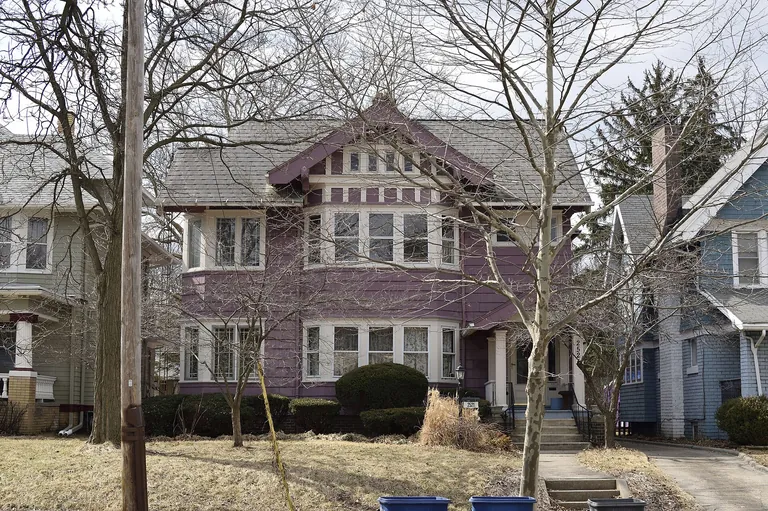
From tenant report to treated unit — the workflow that protects you
Require written reports
Text, email or portal — written. The moment a pest report exists in writing, the response clock and your paper trail start together. Verbal complaints get forgotten; written ones get resolved.
Log it and dispatch the same day
One call reaches a licensed, local exterminator who covers your address — and a real person answers, 24/7.
The operator treats and documents
The licensed operator performs the work and notes what they found — sanitation-driven, structural entry point, or introduced. That distinction matters later if responsibility is disputed under the lease.
Close the loop in writing
Tell the tenant what was done, and spell out any prep or sanitation steps on their side of the lease. File the invoice and findings with the property records. Done properly, one report never becomes a dispute.
A tenant just reported roaches?
One call reaches a licensed, local exterminator who covers your address — and a real person answers, 24/7.
Free to call. Free to get matched. The licensed operator sets any service fee and quote.
Turnover is your cheapest treatment window
Between tenants you have the one thing occupied-unit pest work never has: an empty unit with full access and zero scheduling friction. No notice requirements, no working around furniture, no coordinating around anyone’s shift. A turnover treatment — roach flush and crack-and-crevice work in the kitchen and baths, an entry-point check at doors and penetrations, and a rodent look in the garage, attic access and under sinks — resets the unit before photos and showings.
Fall and winter turnovers deserve the rodent check most: that’s when house mice push into Polk County structures, and a vacant, quiet unit is an ideal harborage while it sits on the market. Droppings in a kitchen drawer during a showing ends the showing.
Two habits make turnover work pay off. First, make it standard — every turnover, not just after a messy tenancy, so each new lease starts from a documented clean baseline. Second, vet the operator like a vendor, not a one-off call: response time on tenant reports, written per-visit documentation, and comfort working occupied units. One factual note on bed bugs: bed-bug-specific work requires a specialized licensed provider and sits outside this dispatch line.
Selling the unit instead of re-letting it?
If this turnover is the last one — the property is going on the market — the same vacant-unit window is the moment for a pre-listing pest inspection. Polk County buyers’ lenders read WDO findings closely, and a seller who has already found and handled the pest story controls the repair timeline instead of renegotiating it under contract. Same access, same week — a very different closing.
How getting matched works
You call the dispatch line
Tell the line where the rental sits — Lakeland, Winter Haven, Bartow or anywhere in Polk County. Multiple properties? One call covers them.
A coordinator confirms the need
A real person takes the details: unit type, what was reported, occupied or vacant, and your timeline. That context routes you to the right operator.
An independent operator contacts you
You’re matched with an FDACS-licensed company serving that ZIP. They schedule with you or your tenant, design the treatment and set every price. The dispatch line never performs or prices the work.
You decide
No obligation. Ask for per-visit documentation, portfolio scheduling and findings notes in writing — then compare and choose.
What moves an operator’s fee on rental work (we never set prices)
Every independent operator prices their own service. On rental accounts, these are the levers:
- Unit count and route density — several units on one street price differently than scattered singles across the county; density saves the operator drive time and often shows up in the number.
- Service model — per-incident call-outs, turnover treatments and recurring exterior programs carry different economics; recurring work is usually the efficient buy across a year.
- Condition and pressure — an established German cockroach population takes a multi-visit protocol with follow-ups; a preventive exterior visit does not.
- Access friction — occupied units mean tenant scheduling, notice windows and lockbox logistics; vacant units are faster and simpler.
- Documentation requirements — written findings and per-visit reports for your property file take operator time; ask for them anyway.
Verify before you hire — any Florida pest control company’s license status, categories and discipline history is public at the FDACS license search. Before you commit a portfolio to anyone, the questions-to-ask guide arms you for the call.
The three pests that generate rental complaints here
Polk County’s rental stock skews old where it is dense — Dixieland fourplexes and South Lake Morton bungalows carved into units, Cleveland Heights duplexes, the mid-century blocks around Lake Parker — and older envelopes mean more entry points, shared chases and legacy moisture. Newer single-family rentals off the Kathleen and north Lakeland corridors carry the opposite pressure: disturbed-soil ants and builder-grade door sweeps. Different stock, same three complaint drivers.
- German cockroaches — the defining rental pest: they arrive in boxes and grocery bags, breed in kitchen harborage and move between units through shared plumbing. Complaints escalate fastest, and partial treatment fails most often.
- Rodents — house mice probe garages, soffits and utility penetrations from October through the cool months. Exclusion — sealing the entry points — is as important as trapping, and it’s the part landlords skip. The house mouse guide covers the pattern.
- Ants — ghost ants in kitchens and baths generate steady low-grade complaints all summer. Exterior treatment at the foundation beats chasing trails inside the unit.
Running short-stay units as well? Turnover pressure works differently when guests change weekly — the Airbnb and short-term rental guide covers that side.
Rental pest questions, answered straight
Who pays for pest control in a Florida rental — landlord or tenant?
Florida Statute 83.51 puts extermination of rats, mice, roaches, ants and wood-destroying organisms on the landlord for multifamily dwellings unless the lease says otherwise, and allows single-family and duplex leases to shift duties to the tenant. The lease language controls. That’s a factual summary, not legal advice — consult a Florida landlord-tenant attorney for your situation.
How fast should a landlord respond to a pest report?
Treat written reports as same-week work at minimum. A prompt, documented response usually contains the problem while it’s small, and the paper trail — report, dispatch, treatment invoice — is what protects you if the tenancy later turns contentious.
Should a rental be treated between every tenant?
It’s the cheapest window you’ll ever get: vacant unit, full access, no scheduling friction. A standard turnover treatment plus an entry-point check means every new lease starts from a documented clean baseline — which also protects the deposit conversation at the end of that lease.
How often should a rental get recurring service?
Quarterly or bimonthly exterior service is the common rhythm for Polk County rentals, with the cadence set by the operator after seeing the property. Exterior-focused programs suppress ant and roach pressure without needing interior access every visit — a real advantage with tenants in place.
What pest documentation should a landlord keep?
Every written tenant report, the date you dispatched it, the operator’s findings and invoice, and your written close-out to the tenant. Keep it with the lease file. In deposit disputes and code complaints, the landlord with the paper trail usually prevails.
Do neighboring units need treatment when one unit has roaches?
Often, yes. German cockroaches move through shared walls, plumbing chases and hallway thresholds, so operators typically recommend inspecting — and if needed treating — the adjacent units in a duplex or quad. Treating only the complaint unit is the most common reason the problem comes back.
Vacancies don’t rent with roaches in the photos.
One call reaches a licensed, local exterminator who covers your address — and a real person answers, 24/7.
Free to call. Free to get matched. The licensed operator sets any service fee and quote.
Disclosure
Lakeland Exterminators is a dispatch and matching service. We connect Polk County callers with FDACS-licensed structural pest control operators. We are not a licensed pest control operator and we do not perform inspections or treatments. We do not set prices, issue warranties, hold retreatment bonds, or carry pest control trade insurance. All pricing — including any inspection fee — scheduling, treatment plans, warranties, bonds and service terms are determined by the FDACS-licensed operator dispatched to your address under Chapter 482, Florida Statutes.
Same-day and 24/7 emergency services are subject to provider participation, location, technician availability, and demand. Availability is not guaranteed and may vary by market and appointment capacity.
License status of any operator you connect with is publicly verifiable at the FDACS license search.