📞 Call (888) 295-0220Open 24/7. Enter your ZIP on the keypad and talk live with a local pest control company that serves your area.
House crickets are one of the more overlooked seasonal pests in Polk County, and Lakeland is no exception. Every summer, homeowners across the city notice the same pattern: a sudden increase in chirping after dusk, crickets jumping out from behind stored boxes in a garage, or crickets showing up indoors near a porch light left on overnight. Unlike many of the county’s other common household pests, house crickets are drawn primarily to light and moisture rather than food, which means the fix often starts with a few simple exterior changes before treatment is even needed. Lakeland Exterminators connects Polk County homeowners with local pest control companies for residential house cricket control throughout the ZIP codes surrounding Lakeland.
Need a pest control company to take a look?
Call, enter your 5-digit ZIP on the keypad, and get connected live with a local pest control company. Free to call, 24/7.
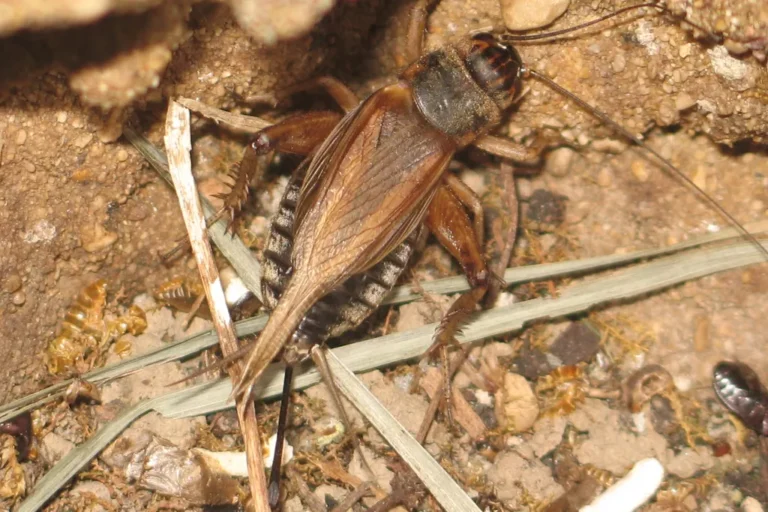
Why House Crickets Surge in Lakeland Every Summer
House crickets are most active from late spring through the peak of summer, when warm nighttime temperatures and Florida’s regular afternoon storms create ideal breeding conditions in mulch beds, leaf litter, and damp areas around a home’s foundation. Male crickets chirp to attract mates, and it is this chirping – loudest just after dusk near porches, garages, and outdoor lighting – that makes a growing population impossible to miss even before crickets start turning up indoors. Exterior lighting left on overnight is one of the single biggest factors driving crickets toward a specific home, since crickets, like many night-flying and night-active insects, are strongly attracted to light sources.
Once outdoor populations build up near a foundation, crickets will look for any small gap – a door threshold, a foundation vent, a garage door seal – to move indoors, particularly during unusually hot, dry stretches when the humidity indoors is more consistent than the yard.
Signs of House Cricket Activity
Chirping Concentrated Near Doors, Garages, or Porches at Night
A steady, rhythmic chirping sound after dark, especially loud near an exterior door or garage, is usually the first sign homeowners notice, often well before any crickets are seen indoors.
Crickets Jumping Out From Stored Boxes or Garage Clutter
House crickets seek dark, undisturbed hiding spots during the day, and garages with stored cardboard boxes, old furniture, or clutter piled against a wall are a common daytime hiding spot.
Minor Fabric or Paper Damage in Storage Areas
While house crickets are not a major structural pest, they can chew small irregular holes in stored fabric, cardboard, or paper goods in a garage or closet, particularly when other food sources are scarce.
Why Mid-Summer Timing Matters
House cricket populations in Lakeland tend to peak in the hottest, most humid stretch of summer, which is also when outdoor breeding conditions are most favorable and exterior lighting draws the largest numbers toward a home after dark. A homeowner who addresses lighting and small entry gaps before that mid-summer peak typically sees a smaller indoor population than one who waits until crickets are already establishing themselves near doors and garages.
Reducing House Cricket Pressure Between Treatments
Homeowners can reduce cricket attractants between professional visits by switching exterior porch and garage lighting to yellow or amber bulbs, which are less attractive to crickets than white light, keeping mulch pulled back from the foundation, sealing gaps at garage door thresholds, and reducing clutter in garages and storage areas where crickets can hide during the day. The pest prevention checklist covers additional exterior maintenance steps, and the pest identifier tool can help confirm a house cricket versus other jumping or chirping insects found around a home.
Check the company before treatment starts
In Florida, pest control companies must hold a business license from the Florida Department of Agriculture and Consumer Services (FDACS) under Chapter 482, Florida Statutes. Ask for the company’s license number and look it up on the FDACS license search before work starts.
Get the treatment plan, the products to be used, any follow-up visits and the price in writing. For termite work, ask what the contract or bond covers, whether it’s retreatment only or includes repair of damage, and how long it lasts. Our guide on checking an FDACS pest control license walks through it.
How the call works
- Call (888) 295-0220. Any time, day or night.
- Enter your 5-digit ZIP code on your phone’s keypad when prompted.
- Get connected live with a local pest control company that serves your ZIP. Describe what happened and ask when they can come out and what the job will cost.
Frequently Asked Questions
Why do house crickets suddenly show up in Lakeland every summer?
Warm nighttime temperatures and regular summer rain create ideal outdoor breeding conditions in mulch and leaf litter, and exterior lighting left on overnight then draws growing populations toward homes.
Do house crickets cause structural damage like termites?
No. House crickets are not a structural pest in the way termites are, though they can chew minor, irregular holes in stored fabric, paper, or cardboard in garages and closets.
Does changing my porch light really reduce cricket activity?
Yes, generally. Crickets are strongly attracted to white light, so switching exterior fixtures to yellow or amber bulbs, or turning off unnecessary porch and garage lighting overnight, can measurably reduce how many are drawn toward the home.
Where do house crickets hide in the garage?
House crickets favor dark, undisturbed spots during the day, commonly behind or inside stored cardboard boxes, old furniture, and clutter piled against garage walls.
How long does house cricket season last in Polk County?
Activity typically builds from late spring, peaks during the hottest and most humid stretch of summer, and tapers off as temperatures cool in fall.
How do I get connected with a house cricket control provider in Lakeland?
Confirm your ZIP code through this site and your request is connected with a local pest control company actively servicing your part of Polk County for residential house cricket control.
Lakeland Exterminators is a free referral line that connects callers with independent local pest control companies. We don’t perform the work. The company you’re connected with gives the quote, does the work and stands behind it.