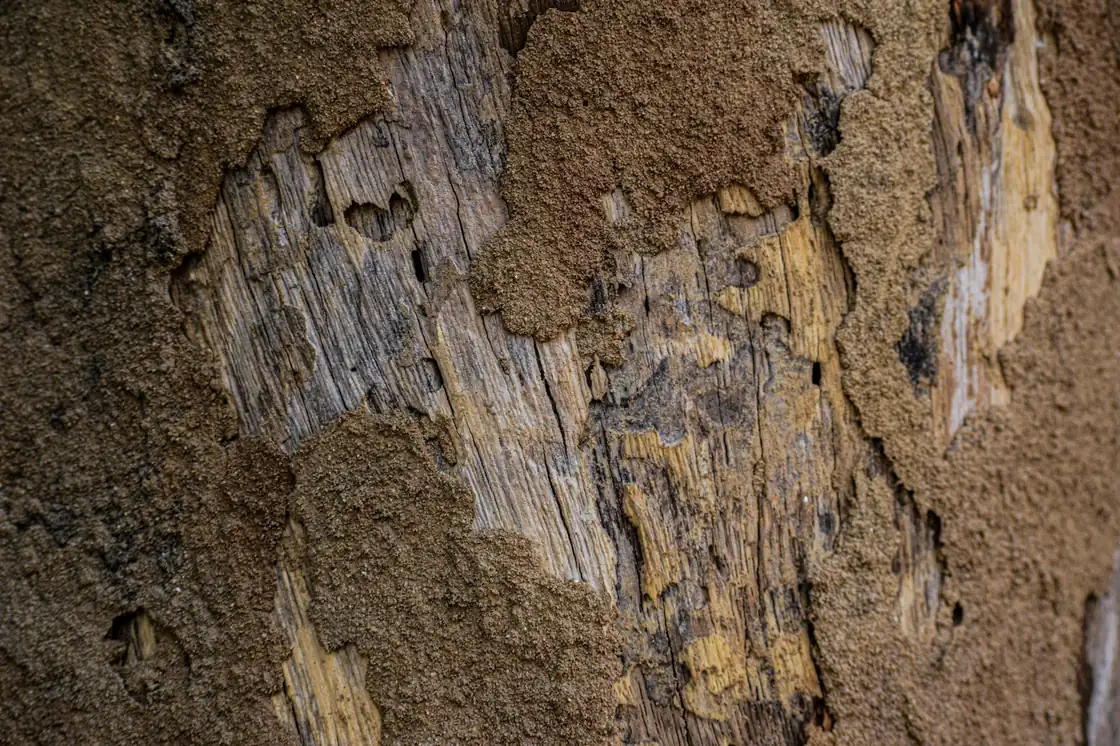
If you have spotted mud tubes on your foundation, a sprinkle of what looks like sawdust pellets on a windowsill, or a swarm of winged insects around a light, your next question matters more than you might think: what kind of termite is this? In Polk County, the answer is not academic. Subterranean and drywood termites live differently, leave different evidence, and — most importantly — require completely different treatments. Knowing which one you have is the difference between a targeted, localized fix and an unnecessary whole-house procedure.
This guide breaks down the core biological difference between the two, the specific signs each leaves behind, how the type determines the treatment (including why “no-tent” options exist for some situations and not others), and what to point out to a licensed inspector so the recommendation fits your actual problem. Central Florida hosts both termites, which is exactly why this comparison is worth getting right here. Many of these findings first surface during a pre-purchase or pre-listing inspection — see our post on trusted Polk County home inspectors for what a WDO inspection typically catches before closing.
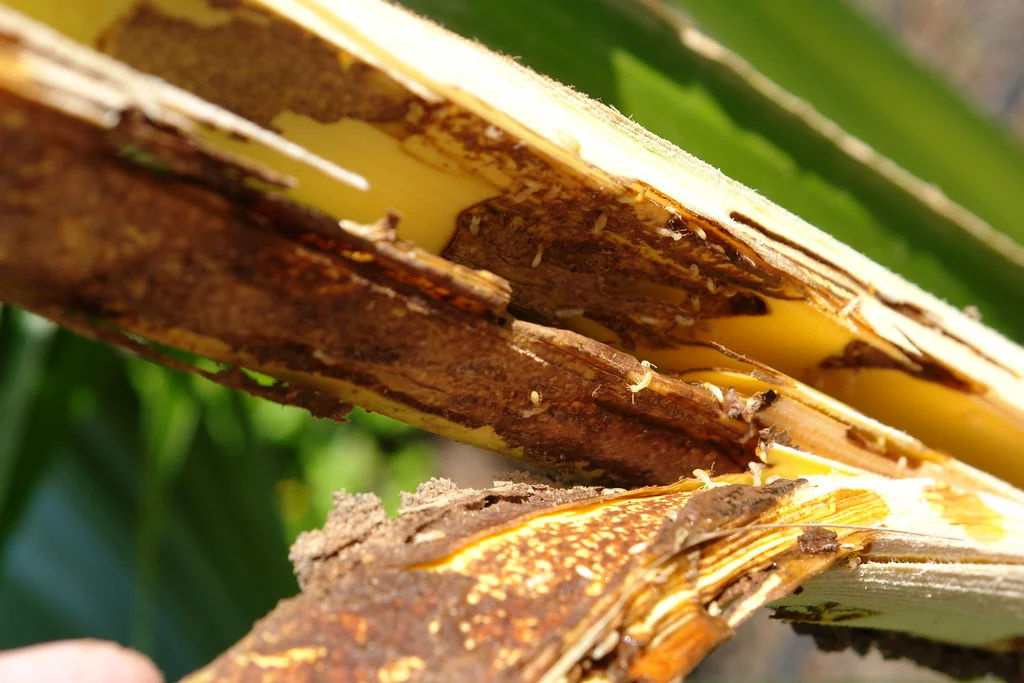
The Core Difference: Soil Contact vs. Living in the Wood
Almost everything that distinguishes these two termites flows from one fact: where they get their moisture and where they live.
Subterranean termites live in the soil. They need contact with ground moisture to survive, so they nest underground and travel up into a structure to feed on wood, returning to the soil for the humidity they depend on. Their entire strategy is built around maintaining that soil connection.
Drywood termites do not need soil at all. They live entirely inside the wood they eat, drawing the small amount of moisture they need from the wood itself and from humidity in the air. A drywood colony can establish in an attic rafter, a wooden window frame, furniture, or trim with no connection to the ground whatsoever.
That single distinction — tied to the soil versus sealed inside the wood — drives the different signs each leaves and, ultimately, the different ways each is treated. Once you understand it, the rest of the comparison falls into place.
Subterranean Termites — Mud Tubes, Swarmers, and Moisture
Because subterranean termites must keep their link to the soil, the evidence they leave is all about that bridge between ground and wood.
The hallmark sign is mud tubes — pencil-width tunnels of soil, saliva, and debris that the termites build up the foundation, along walls, and across slabs and piers to travel from the ground to the wood without exposing themselves to open air. Finding these earthen tubes on your foundation or in a crawlspace is a strong indicator of subterranean activity. A second sign is swarmers: at certain times of year, winged reproductive termites emerge to start new colonies, and you may see the swarm itself or, more often, find their discarded wings near windowsills and doors after they have flown. Because subterranean termites depend on moisture, their activity also concentrates around damp wood and moisture problems — leaky plumbing, poor drainage, wood-to-soil contact — so chronic dampness near the structure raises the risk. Subterranean colonies can be very large and cause significant structural feeding over time, which is why prompt attention matters. Homeowners further south in Bartow see the same mud-tube pattern on slab foundations — our subterranean termite treatment in Bartow page covers what a soil-based treatment looks like for that area.
Drywood Termites — Frass, Kick-Out Holes, and No Soil Needed
Drywood termites, sealed inside the wood, leave a very different and often subtler set of clues.
Their signature sign is frass — the dry fecal pellets they produce as they tunnel through wood. To keep their galleries clean, drywood termites push these pellets out through tiny kick-out holes, and the frass accumulates below in small piles that look like coarse sand, sawdust, or ground pepper. The pellets are distinctive: hard, six-sided, and roughly uniform. Finding a little mound of these on a windowsill, the floor beneath wood trim, or in the attic is the classic drywood tell. Drywood termites also produce swarmers and shed wings, and because they live in the wood itself rather than the ground, they can show up in upper floors, attics, eaves, window and door frames, and furniture — places subterranean termites, tethered to the soil, generally do not reach on their own. Crucially, you will see no mud tubes with a drywood infestation, because they have no need to bridge from soil. Their colonies are typically smaller and slower than subterranean ones, but they can establish in multiple separate spots around a home.
Get matched with a licensed Polk County pest control pro
One call reaches a licensed, local exterminator who covers your address — and a real person answers, 24/7.
Why the Type Decides the Treatment
Here is where identification pays off, because the two termites are treated in fundamentally different ways — and matching the treatment to the type is what keeps you from over- or under-treating.
Subterranean termites are treated through the soil, since that is where they live and travel. The common approaches are a liquid termiticide barrier applied to the soil around and beneath the structure, which treats termites as they move between ground and wood, and in-ground baiting systems that colonies feed on and carry back underground. Both target the soil connection that defines the species. Tenting a house does nothing for a subterranean colony living in the yard, so fumigation is not the tool for this problem.
Drywood termites, sealed inside the wood, are treated at the wood itself. When the infestation is localized — confined to accessible areas a professional can identify — localized or “no-tent” treatments are often an option, applying products directly into the galleries through drilling and injection or treating specific members. When drywood activity is widespread or hidden throughout a structure and cannot be reliably reached spot by spot, whole-structure fumigation (tenting) is the method that penetrates the entire building to reach every gallery. This is exactly why “do I need to tent my house?” and “no-tent termite treatment” are such common searches in Florida: for many localized drywood situations there is an alternative to tenting, but it depends on the type and extent of the infestation, which only an inspection can determine. If a localized approach fits your situation, the pros in our network handle no-tent termite treatment in Lakeland.
The practical takeaway: get the type identified first. The wrong assumption can lead to an unnecessary tenting or, worse, a cosmetic spot treatment on a problem that needed a soil barrier. Skipping this step is part of why homeowners end up facing the cost of skipping a termite bond in Polk County down the road, since an untreated or mis-treated colony keeps feeding regardless of which type it is. A professional WDO inspection in Lakeland is how the type and extent get pinned down, and you can see how termite work fits the bigger picture in the Lakeland pest control complete guide.
What to Point Out to the Inspector
A good description speeds an accurate diagnosis. Tell the inspector what you found and exactly where: mud tubes on the foundation or in the crawlspace point toward subterranean, while pellet piles and tiny holes on windowsills, trim, or in the attic point toward drywood. Save a sample of any frass or wings if you can, and note whether the wings were all shed in one area. Mention the location in the house — ground level and crawlspace versus upper floors, attic, and window frames — since elevation is a strong clue to the species. Flag any moisture issues you know about, like leaks, poor drainage, or damp wood, which favor subterranean termites. And note when you saw any swarming. The more specific you are, the more precisely the inspector can confirm the type and match the treatment — tent or no-tent — to your actual situation.
Get matched with a licensed Polk County pest control pro
One call reaches a licensed, local exterminator who covers your address — and a real person answers, 24/7.
Frequently Asked Questions
How do I tell subterranean from drywood termites? Look at the evidence and its location. Subterranean termites build mud tubes on foundations and walls and stay tied to ground level because they need soil moisture. Drywood termites leave dry, six-sided fecal pellets (frass) in small piles below tiny kick-out holes, produce no mud tubes, and can appear in upper floors, attics, and window frames because they live entirely inside the wood.
What does termite frass look like? Drywood termite frass is made of hard, roughly six-sided pellets, fairly uniform in size, that resemble coarse sand, sawdust, or ground pepper. It collects in small mounds beneath the wood the termites are infesting, pushed out through tiny holes. Finding such a pile on a windowsill, floor, or in the attic is a classic sign of drywood termites.
Do I need to tent my house for termites in Florida? It depends on the type and extent. Subterranean termites are treated through the soil with liquid barriers or baiting, not tenting. Drywood termites that are localized can often be handled with no-tent spot treatments, while widespread or hidden drywood activity may require whole-structure fumigation. An inspection determines which applies, so identify the situation before assuming you need a tent.
What is no-tent termite treatment, and when does it work? No-tent (localized) treatment applies products directly into the wood and galleries of a drywood infestation through drilling and injection or spot treatment, avoiding fumigation of the whole structure. It works when the infestation is confined to accessible areas a professional can identify and reach. When drywood activity is extensive or hidden throughout the home, whole-structure fumigation may be needed instead.
Are there both kinds of termites in Polk County? Yes. Central Florida, including Polk County, hosts both subterranean and drywood termites, which is why correctly identifying the type matters so much locally. The two require different treatments, so knowing whether you are dealing with soil-dwelling subterranean termites or wood-dwelling drywood termites is the key first step toward the right fix.
What attracts subterranean termites to a home? Moisture and wood-to-soil contact. Because subterranean termites depend on soil moisture, conditions like leaky plumbing, poor drainage, damp crawlspaces, and wood touching the ground make a structure more vulnerable. Reducing those moisture problems lowers the risk, and a soil treatment or baiting system addresses an active colony.
Can termites be in my attic without coming from the ground? Yes — that points to drywood termites. Because they live entirely within the wood and need no soil connection, drywood termites can establish in attic rafters, eaves, and upper-floor framing with no link to the ground, often arriving as swarmers. Subterranean termites, by contrast, must maintain a soil connection and typically work up from below.
LakelandExterminators.com is a dispatch service. We connect callers with licensed Florida exterminators. We are not a licensed pest control company. The disclaimer in our site footer and our 24/7 dispatch caveat apply to this page.