Fort Myers sits in Florida’s drywood belt — and its rebuild era is quietly deciding the next decade of termite outcomes.
Southwest Florida’s coastal strip carries some of the state’s heaviest drywood termite pressure — swarmers riding humid Gulf evenings into attic vents from McGregor’s historic corridor to Fort Myers Beach cottages. Underneath, Eastern subterranean termites work the sandy soil under the metro’s decades of slab construction. And since Hurricane Ian, a third storyline: thousands of structures rebuilt, re-roofed or gutted to the studs — each one a fork in the road, because Florida’s building code requires termite pretreatment on new construction, and remodel-scale work is where protection either gets renewed or quietly skipped. The dispatch line matches you with FDACS-licensed operators who handle all three storylines by evidence, not template.
Talk to a live dispatch coordinator now
Pellets under a McGregor window, swarmers at the lanai light, a rebuild wondering about pretreat, mud tubes on an older slab — describe it and get routed to a licensed Fort Myers termite operator.
(863) 445-9190Tap to call — 24/7 dispatch
Free to call. Free to get matched. The licensed operator you’re matched with gives the quote.
24/7 line · A real person answers · Availability of same-day and emergency service depends on the provider.
Need termite treatment in Fort Myers, FL? Call (863) 445-9190 and a dispatch coordinator matches you with an FDACS-licensed termite operator serving your Lee County ZIP — drywood spot treatments and fumigation, subterranean soil and bait programs, and pretreat work for rebuilds and additions. Lakeland Exterminators is a dispatch service: the licensed operator confirms the species and quotes the treatment.
What does “drywood belt” actually mean for a Fort Myers home?
It means the background rate is high enough that evidence literacy pays annual dividends. Drywood colonies live entirely inside sound, dry wood — no soil contact, no mud — and announce themselves two ways: pellet piles (six-sided, sand-grain-sized, matching the wood’s color) accumulating below invisible kick-out holes, and swarmers trickling from fascia and attic vents on warm, still evenings from late spring through summer. In the belt, a pellet pile on a windowsill isn’t a panic event — it’s a data point that starts a containment question: one colony in one window frame is a spot-treatment job (injection, foam, localized heat); colonies distributed through a roof structure justify structural fumigation, with the findings map to prove it. Coastal operators run this triage constantly — and the honest ones are as quick to de-escalate a contained finding as they are to recommend the tent when spread is real.
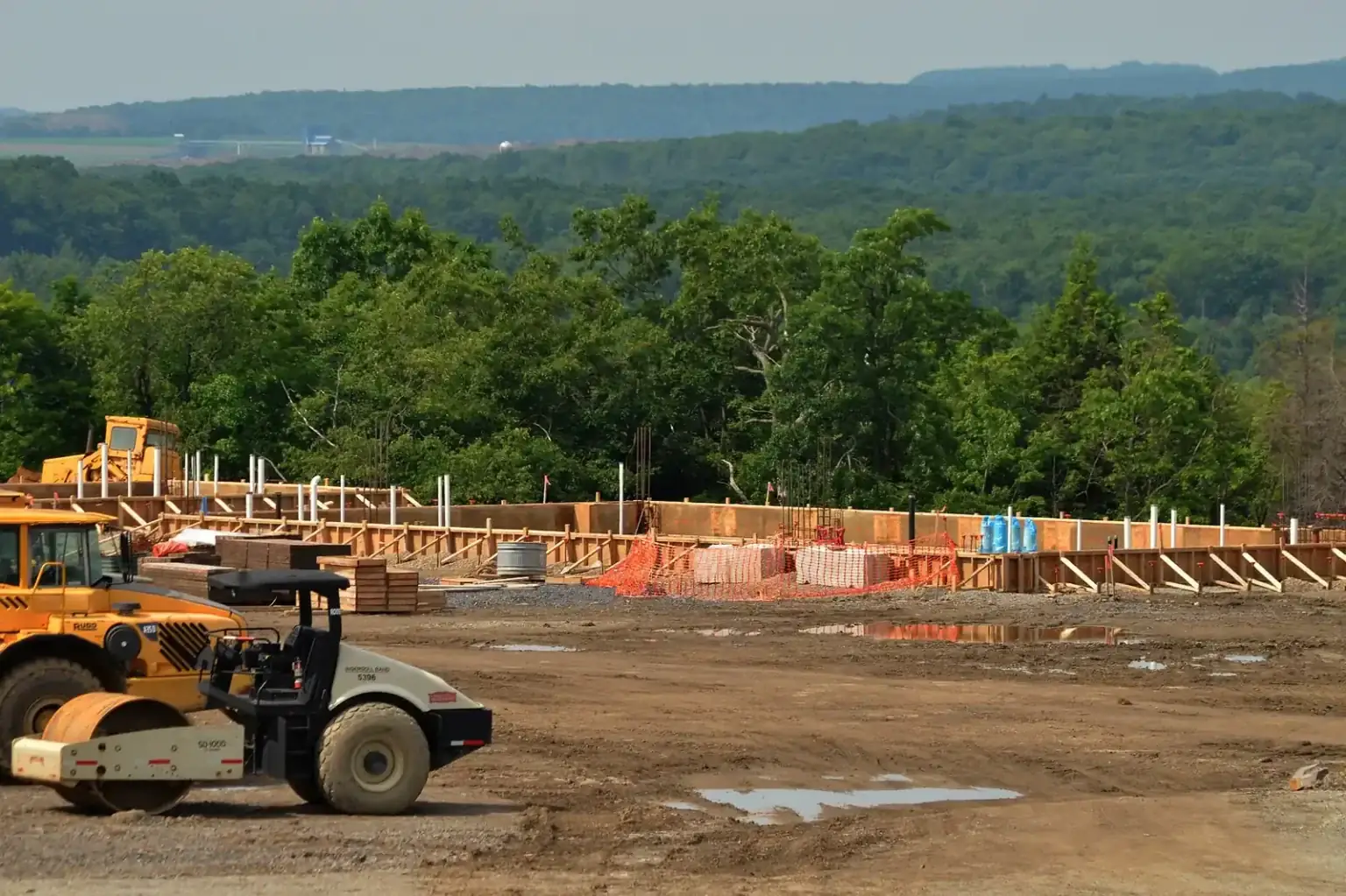
The rebuild storyline needs a plainer warning. New slabs, additions and substantial renovations trigger the building code’s termite-protection requirement (Florida’s R318 provisions) — soil-applied termiticide, borate-treated framing or approved alternatives, documented for the certificate of occupancy. But storm-recovery construction moves fast, and owners managing their own contractors sometimes discover after the fact that the pretreat line item vanished in value engineering. If your Fort Myers property was rebuilt or expanded post-Ian, two questions belong in your file: what termite protection went in, and who holds the paperwork? A licensed operator can verify, document and — where the answer is “nothing” — retrofit protection with perimeter application or bait systems. Boring diligence now beats discovering the gap through a swarm in five years.
Where does termite treatment work concentrate in Fort Myers?
- McGregor corridor & historic Fort Myers (33901, 33919): the metro’s oldest wood under royal palms — drywood inspection heartland.
- Downtown River District (33901): renovated older commercial and residential stock — remodel-triggered discoveries.
- Fort Myers Beach & San Carlos Island (33931): post-Ian rebuild epicenter — pretreat verification and new-wood protection decisions.
- Iona & south Fort Myers (33908, 33919): 1970s-90s slab neighborhoods with expired original barriers.
- East Fort Myers & Tice (33905, 33916): older frame housing plus river-adjacent moisture — two-species checks.
- Gateway & Daniels corridor (33913, 33966): newer construction — builder-pretreat expiry clocks and bond continuation decisions.
How should a Fort Myers owner sequence a termite decision?
Evidence, species, containment, method — in that order. Bag any swarmers or pellets (a zip-top and a phone photo are enough) and resist the urge to vacuum the evidence away before someone reads it: pellet piles tell an inspector where the kick-out holes are. The licensed inspection then answers the two questions everything hangs on — which species (dry pellets versus mud evidence) and how far (a moisture meter, a probe and attic time, not a glance from the doorway). Only then does method enter: spot treatment or heat for contained drywood, fumigation for spread drywood, trench-and-treat non-repellent liquid or bait stations for subterranean activity — and for the many Fort Myers homes with lanais, pool cages and pavered perimeters, bait systems often win on practicality because they protect without cutting hardscape. Whatever the answer, get the findings in writing with photos. In the drywood belt, the paper trail is how the next owner — or the next inspection — knows what was found and fixed.
Call the line
Tap (863) 445-9190 any hour. Describe the evidence — pellets, swarmers, tubes, or a rebuild question — and your Lee County ZIP.
Get matched by evidence
Drywood evidence routes to spot-and-fumigation operators; slab and soil evidence routes to barrier-and-bait providers; rebuild questions route to pretreat-capable crews.
A licensed operator takes over
An independent, FDACS-licensed and insured Fort Myers operator inspects, proves the species and spread, and quotes. No obligation — the dispatch call costs nothing.
Pellets on the sill? Swarmers at the lanai light? Rebuild missing its pretreat paperwork?
The line answers 24/7 and matches you with a licensed Fort Myers termite operator.
One tap. One call. Matched.
(863) 445-9190Tap to call — 24/7 dispatch
Free to call. The licensed operator gives the quote.
Fort Myers termite treatment questions, answered straight
I keep sweeping up little piles that look like coffee grounds. Termites or something else?
My home was rebuilt after Ian. Doesn’t new construction mean no termites?
Are swarmers around my pool cage lights a house problem or a yard problem?
What does termite treatment cost in Fort Myers?
Disclosure
Lakeland Exterminators is a pest control dispatch and referral service, not a licensed pest control operator. All termite inspections, quotes, treatments and fumigations in Fort Myers are performed by independent pest control operators licensed by the Florida Department of Agriculture and Consumer Services (FDACS) and insured in their own name. Calling the dispatch line is free and creates no obligation; the licensed operator you’re matched with sets their own pricing and terms.
More Fort Myers help: Pest control in Fort Myers, Mosquito control in Fort Myers, Termite treatment in Cape Coral · Termite dispatch guide · All pest control services