Melbourne’s bed bug problem commutes in three ways: a beachside rental turnover, a relocation moving truck, and a snowbird’s spring suitcase.
The Space Coast runs on movement. Beachside, the short-term rentals of Indialantic, Melbourne Beach and Satellite Beach turn over weekly all season. On the mainland, the aerospace hiring engine moves thousands of families a year into apartments and corporate housing near Northrop and L3Harris — and relocation churn is a bed bug distribution system, because the insect travels in furniture, boxes and luggage, not on people. Add the beachside condo towers that sit half-empty from May to November, and Melbourne has all three classic introduction routes running at once. None of them respond to a can of spray from the hardware store. The dispatch line matches Melbourne homes, hosts and landlords with FDACS-licensed operators who treat bed bugs as the verification problem they actually are.
Talk to a live dispatch coordinator now
Bites in a line on one arm, rust-colored spotting on a mattress seam, a guest complaint you need answered by Friday — describe it and get matched with a licensed operator working Melbourne.
(904) 943-3349Tap to call — 24/7 dispatch
Free to call. Free to get matched. The licensed operator you’re matched with gives the quote.
24/7 line · A real person answers · Availability of same-day and emergency service depends on the provider.
Need bed bug treatment in Melbourne, FL? Call (904) 943-3349 and a dispatch coordinator matches you with an FDACS-licensed operator serving Melbourne, Palm Bay, Indialantic and Satellite Beach — inspection and confirmation first, then heat or chemical treatment matched to your dwelling, then interceptor-verified follow-up. Lakeland Exterminators is a dispatch service: the licensed local operator inspects, treats and quotes.
Why does Melbourne’s rental economy shape its bed bug problem?
Because introduction risk tracks occupant turnover, and the Space Coast turns over constantly. A beachside vacation rental in Indialantic can host thirty different parties in a season; every arrival is a fresh roll of the dice, and every departure is a chance for an introduction to ride out to the next stop. Mainland Melbourne runs a different version of the same math: the aerospace and defense hiring cycle moves families into 32901, 32935 and 32940 apartments year-round, often with moving trucks, used furniture and storage-unit contents in tow — the three highest-risk cargo classes in the bed bug world. A secondhand dresser from a garage sale in a high-churn apartment corridor is a genuinely different purchase than the same dresser from a stable neighborhood.
The practical consequence: in Melbourne, the question is rarely “why me” and almost always “how far has it spread and what does it touch.” A licensed operator starts with that scope question — which rooms, which furniture, which adjacent units in a multifamily building — before any treatment decision gets made. Treating one bedroom of a three-bedroom introduction is how infestations get expensive.
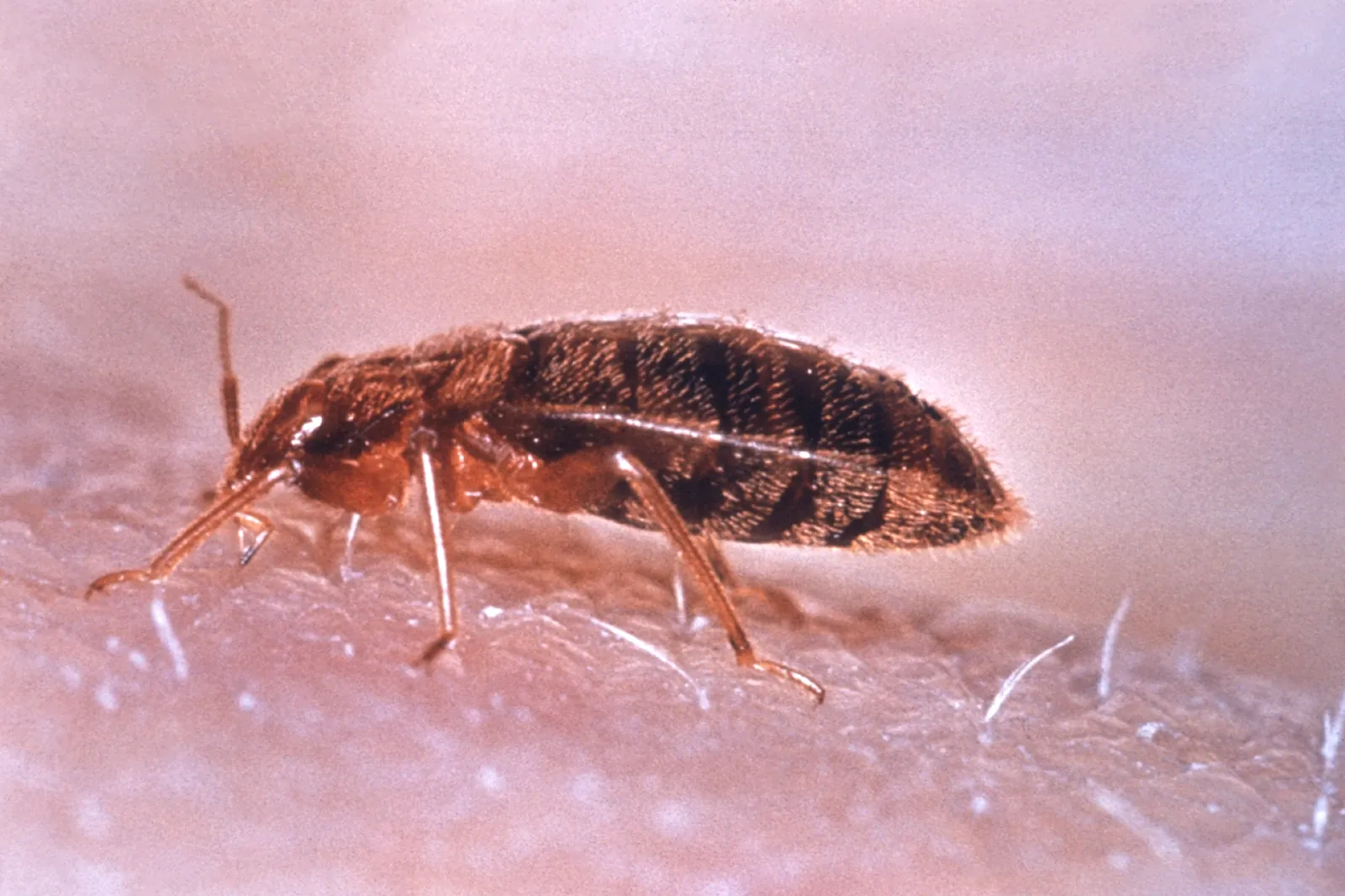
Heat or chemical — which treatment fits which Melbourne dwelling?
Both kill bed bugs; the building decides which one makes sense. Whole-structure heat — raising the interior to lethal temperature and holding it — is the fastest single-visit option and shines in detached homes and single-story beachside cottages where the envelope can be controlled. It gets complicated in concrete condo towers: shared walls bleed heat, and an underheated closet floor is a survival pocket. Chemical programs — a properly sequenced application with a follow-up visit on the egg-hatch cycle — work in any structure, cost less per visit, and are usually the right call in multifamily buildings, occupied rentals and homes where prep constraints rule out heat. Florida’s bed bug populations carry documented resistance to older pyrethroid products, which is one honest reason DIY foggers fail: they scatter survivors deeper into walls and make professional treatment harder.
- Beachside rentals (Indialantic, Melbourne Beach, 32903, 32951): between-booking treatment windows are tight — operators schedule heat around the turnover calendar so a Saturday check-in still happens.
- Condo towers (beachside and Eau Gallie waterfront): chemical programs with adjacent-unit inspection; association sign-off usually required before common-wall work.
- Mainland apartments (32901, 32935): the adjacent-unit protocol matters most here — treating one unit in an eight-unit building without inspecting neighbors is a revolving door.
- Detached homes (Suntree, Viera, West Melbourne): best candidates for single-visit heat with a chemical perimeter as insurance.
- Snowbird condos: a unit closed since May can still host live bugs in October — adults survive months without feeding; a reopening inspection beats a reopening surprise.
What should hosts and landlords in Melbourne document?
Bed bugs in a rental are a paperwork problem as much as a pest problem. A guest claim — justified or not — is answered with records: the inspection report from a licensed operator, the treatment invoice, and the monitoring evidence from interceptor cups under bed legs showing clean weeks before the stay. Hosts who keep that file resolve platform disputes in days; hosts who don’t eat the refund. Long-term landlords have a parallel duty: Florida landlord-tenant practice puts treatment of an established infestation in multifamily housing on the owner in most cases, and a written, dated response — inspection scheduled within days of the complaint, treatment on the operator’s recommended cycle — is the difference between a resolved unit and a habitability dispute. The dispatch line routes rental calls to operators who produce exactly this paper trail as a matter of course.
Call the line
Tap (904) 943-3349 any hour. Describe the evidence — bites, seam spotting, a sighting — and the dwelling: beachside rental, condo, apartment or house.
Get matched to the problem
Vacation-rental turnarounds, multifamily protocols and single-family heat jobs route to different specialists — the coordinator matches the right one.
A licensed operator takes over
An independent, FDACS-licensed and insured operator working Melbourne inspects, confirms, quotes and treats. No obligation — the dispatch call costs nothing.
Guest checks in Saturday and you found spotting today?
The line answers 24/7 and matches you with a licensed operator who works Melbourne’s turnover calendar, not against it.
One tap. One call. Matched.
(904) 943-3349Tap to call — 24/7 dispatch
Free to call. The licensed operator gives the quote.
Melbourne bed bug questions, answered straight
How do I know it’s bed bugs and not fleas or mosquitoes?
Can a beachside rental be treated between a Saturday checkout and a Saturday check-in?
We just moved here for an aerospace job. How do we keep the moving boxes from being a risk?
What does bed bug treatment cost in Melbourne?
Disclosure
Lakeland Exterminators is a pest control dispatch and referral service, not a licensed pest control operator. All pest inspections, treatments and quotes in Melbourne are performed by independent pest control operators licensed by the Florida Department of Agriculture and Consumer Services (FDACS) and insured in their own name. Calling the dispatch line is free and creates no obligation; the licensed local operator you’re matched with sets their own pricing and terms.
More Space Coast help: Pest control in Melbourne, Melbourne termite treatment, Pest control in Palm Bay · The complete bed bug treatment guide · All pest control services