Orlando hosts more overnight guests than any city in America — and every one of those seventy-five million visitors is a potential pest delivery with a review account.
Commercial pest control in Orlando is hospitality math. The hotel towers of International Drive and the convention corridor turn rooms at a scale no other market touches, and every turnover is a bed bug introduction risk with a one-star review attached. The restaurant economy — Sand Lake’s Restaurant Row, the I-Drive strips, the downtown and Mills 50 corridors — runs on health-inspection paper as much as sanitation. Around the parks, the vacation-rental management industry operates thousands of turnovers a week, each one a documentation event waiting to be needed. And along the 528 and 417 corridors, the logistics boxes feeding the tourism machine fight the standard dock-door rodent war. The dispatch line matches Orlando operations with FDACS-licensed commercial operators who understand that in this market, the program protects the brand as much as the building.
Talk to a live dispatch coordinator now
A guest-room incident, a kitchen ahead of inspection, a rental portfolio that needs a turnover protocol — describe the operation and get matched with a licensed commercial operator working Orlando.
(888) 295-0220Tap to call — 24/7 dispatch
Free to call. Free to get matched. The licensed operator you’re matched with gives the quote.
24/7 line · A real person answers · Availability of same-day and emergency service depends on the provider.
Need commercial pest control in Orlando, FL? Call (888) 295-0220 and a dispatch coordinator matches your operation with an FDACS-licensed commercial operator — hotel and resort programs with documented bed bug protocols, restaurant service with inspection-ready records, vacation-rental turnover programs, and warehouse dock work across metro Orlando. Lakeland Exterminators is a dispatch service: the licensed local operator inspects, treats and quotes.
What does a hotel bed bug protocol actually look like when it works?
It looks like a filing cabinet, not a fire drill. The hotels that survive incidents cleanly all run the same architecture: proactive monitoring (housekeeping trained on the evidence hierarchy — seam spotting, shed skins, live insects — plus scheduled inspection rotations through the room stock), a written response protocol that fires the moment a report lands (room out of service, adjacent rooms — beside, above, below — inspected within twenty-four hours, licensed treatment scheduled, nothing improvised), and the incident file: inspection findings, treatment records, follow-up verification with interceptors or canine re-inspection, all dated. That file is what answers a guest claim, a platform dispute or an attorney letter with facts instead of apologies. The Orlando-specific pressure is volume — a thousand-room I-Drive property turns more beds in a weekend than a business hotel does in a month, so introduction is a when, not an if, and the differentiator is response speed and paper. Heat treatment fits the market’s pace: single-room heat with adjacent-unit chemical perimeter returns a room to service fast, and the operator’s verification note is what lets revenue management stop holding the block.
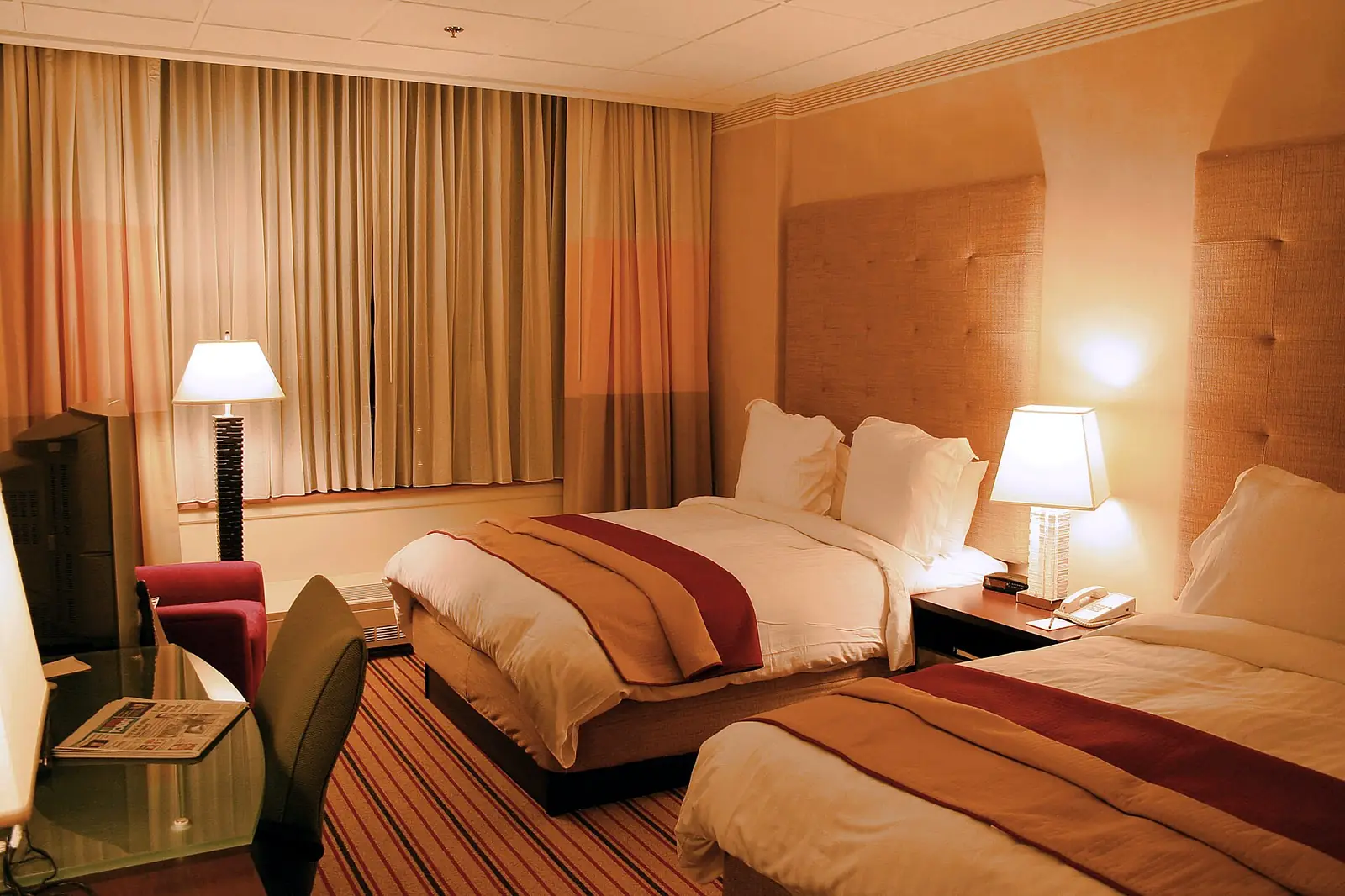
What does each kind of Orlando operation need?
- Hotels & resorts (I-Drive, convention corridor, Lake Buena Vista edges): monitoring rotations, trained housekeeping, written response protocols and incident documentation — plus kitchen and loading-dock programs under the same roof.
- Restaurants (Restaurant Row, I-Drive, Mills 50, downtown): documented recurring service — gel baiting with IGR, drain programs, exclusion — and the on-site logbook a DBPR inspector reads first.
- Vacation-rental managers (the 192 and 27 feeder corridors): portfolio-scale turnover protocols — between-guest inspection checklists, interceptor monitoring in bedrooms, and per-property incident files that settle platform disputes in days.
- Warehouses & logistics (528, 417, Orlando Central Park): dock-door seals and sweeps, mapped exterior station rings, interior monitoring lines — and audit-standard records for food-grade facilities.
- Offices, medical & attractions-adjacent retail: IPM-first programs scheduled around occupancy, with product documentation and building-level coordination through property management.
Why do vacation-rental portfolios need a different program than hotels?
Because the housekeeping layer is thinner and the units are houses. A hotel has staff in every room daily; a vacation rental gets a turnover crew for a few hours between guests, and the property sits occupied by strangers or empty the rest of the time. That changes the program design in three ways. First, the turnover checklist does the monitoring: cleaning crews trained to check mattress seams, headboards and sofa beds during every turn, with a photo-report habit that costs minutes and creates a continuous inspection record no hotel can match per-room. Second, the between-booking window is the treatment window: German roach baiting, ant work and any bed bug response all fit the vacancy gap if the manager and operator coordinate calendars — which is why portfolio managers should want one operator relationship across their properties, not per-incident dispatch. Third, the documentation is per-property and guest-facing: when a platform claim arrives, the manager who produces this property’s inspection log, treatment history and interceptor records wins; the manager who produces a receipt from last year does not. Orlando’s park-adjacent corridors run tens of thousands of these units, and the operators who serve them well run route density there — say the portfolio size and area on the dispatch call and the match reflects it.
Call the line
Tap (888) 295-0220 any hour. Describe the operation — property count, guest volume, any inspection or incident in motion.
Get matched to the operation
Hotel protocols, restaurant documentation, rental-portfolio programs and dock work route to different commercial specialists — the coordinator matches the right one.
A licensed operator takes over
An independent, FDACS-licensed and insured commercial operator working Orlando inspects, quotes and builds the recurring program. No obligation — the dispatch call costs nothing.
Guest in 412 just reported bites — and checkout is at eleven?
The line answers 24/7 and matches you with a licensed commercial operator who runs the protocol, not the panic.
One tap. One call. Matched.
(888) 295-0220Tap to call — 24/7 dispatch
Free to call. The licensed operator gives the quote.
Orlando commercial pest questions, answered straight
A guest reported bed bugs — do we have to close the whole floor?
Can one operator handle a fifty-property vacation-rental portfolio?
Our kitchen passed inspection but corporate wants a pest audit trail. Are those different?
What does commercial pest control cost in Orlando?
Disclosure
Lakeland Exterminators is a pest control dispatch and referral service, not a licensed pest control operator. All inspections, treatments and quotes for Orlando businesses are performed by independent pest control operators licensed by the Florida Department of Agriculture and Consumer Services (FDACS) and insured in their own name. Calling the dispatch line is free and creates no obligation; the licensed local operator you’re matched with sets their own pricing and terms.
More Orlando help: Pest control in Orlando, Orlando roach control, Orlando bed bug treatment · The vacation-rental pest guide · All pest control services