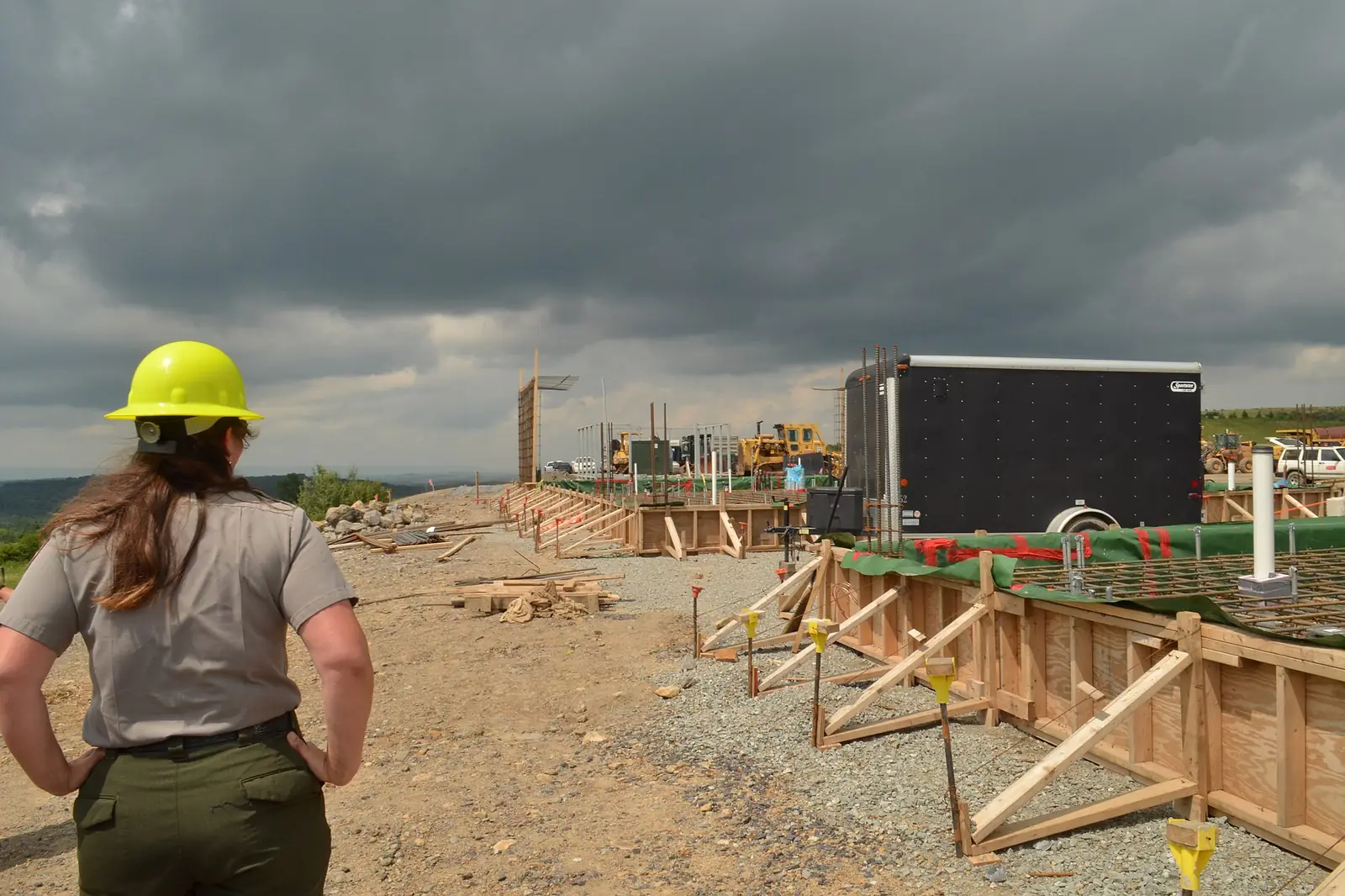
The cheapest termite defense a building ever gets goes in before the slab is poured.
One call reaches a licensed, local exterminator who covers your address — and a real person answers, 24/7.
Talk to a licensed exterminator now
Call and we’ll connect you with a licensed, local exterminator who covers your address. It takes about two minutes, and a real person answers.
Free to call. Free to get matched. The licensed operator sets the price.
24/7 line · A real person answers · Availability of same-day and emergency service depends on the provider.
What pre-construction termite treatment actually is
Florida gives new construction three code-recognized paths to termite protection. Most Polk County slabs get the first; the other two show up on specific builds. The licensed operator recommends the path that matches your plans and your schedule.
Soil pre-treat (liquid)
The classic slab pre-treat: a horizontal application of liquid termiticide across the compacted fill — with concentrated attention at footer trenches, grade beams and plumbing penetrations — after rough-in and before the vapor barrier and pour. A vertical perimeter application follows at final grade. The treated soil becomes a continuous chemical barrier between the colony below and the wood above.
Borate wood treatment
Instead of treating soil, a borate solution is applied directly to the structural lumber at the dried-in stage — plates, studs and trusses within a code-set band. Treated wood becomes unusable as termite food. Common when soil-treatment timing was missed, on complex foundation details, or as a builder’s preferred spec.
Bait-system alternative
A code-approved baiting system installed around the finished structure can satisfy R318 instead of a liquid pre-treat on qualifying builds. The fee logic and follow-up obligations are different animals entirely.
R318: why the building department is asking
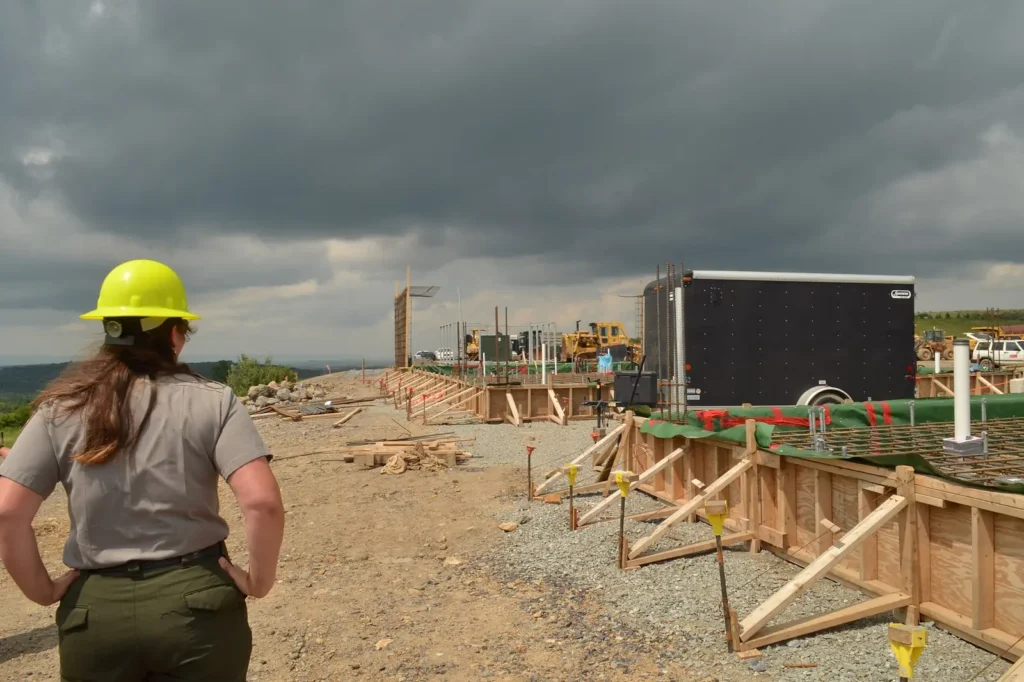
Section R318 of the Florida Building Code requires termite protection on new construction — and it has teeth in the permit file. The treating company issues a Notice of Treatment: a weather-resistant placard posted at the site plus documentation identifying the product, the method and the treated area. Polk County building officials look for that paperwork before the certificate of occupancy is issued.
The pressure behind the code is local and real. Central Florida sits in one of the country’s heaviest subterranean termite zones, and the eastern subterranean termite — the species that attacks slab homes from below — is Polk County’s default structural threat. Fresh sod, new irrigation and disturbed sandy fill around a just-poured slab are exactly the moisture conditions foraging workers key on. The eastern subterranean termite guide covers how the species finds and enters a structure.
The pre-treat is also just the first leg of a longer program. The guide to termite control in Lakeland covers what protection looks like across the building’s life — from the initial barrier through renewal decisions and bond coverage after the builder hands over the keys.
Pour date on the calendar?
One call reaches a licensed, local exterminator who covers your address — and a real person answers, 24/7.
Free to call. Free to get matched. The licensed operator sets the price.
Where the treatment lands in the build sequence
The pre-treat is schedule-sensitive: it has to land after certain trades and before others, and a rain event at the wrong moment can force re-treatment of washed soil. Here is the sequence Polk County operators coordinate around:
| Phase | When it happens | What the operator does |
|---|---|---|
| Pre-slab (horizontal) | After plumbing rough-in and fill compaction — immediately before the vapor barrier and pour | Applies liquid termiticide across the full slab footprint, with concentrated application at footers, grade beams and pipe penetrations. |
| Pour and dry-in | Slab poured; framing goes up | No treatment during this window — but heavy weather or long delays between treat and pour can require touch-up passes on disturbed areas. Borate wood treatment, if specified, happens once the structure is dried in. |
| Final grade (vertical) | After backfill and final grading, before landscaping | Treats a vertical band of soil around the finished perimeter, closing the barrier where the slab edge meets grade. |
| Completion | Before the certificate of occupancy | Issues the Notice of Treatment documentation the building department expects, plus any initial bond terms the operator offers the future homeowner. |
Built for the Polk County boom
Lakeland is one of the fastest-growing metros in the country, and the growth is concentrated exactly where pre-treats get booked: North Lakeland, the Kathleen Road corridor, and the new subdivisions strung along I-4 between Lakeland and the county line. On a production street, a treatment crew may pre-treat several slabs a week — timing the truck to the concrete schedule is the whole job.
That volume cuts both ways. Production builders have standing relationships, but owner-builders and small GCs starting a single custom home — common on acreage lots off Kathleen and across the county’s rural north — often discover late that the pour is waiting on a treatment certificate. If that’s you, the dispatch line exists for exactly this call: describe the build, the slab date and the site, and get routed to an independent operator who handles new construction.
Verify before you book: any Florida pest control company’s license status and categories are public at the FDACS license search — aessearch.fdacs.gov. Pre-construction soil treatment is regulated termite work; check the license before the truck rolls.
How getting matched works
Call the dispatch line
Tell the line where the site is. New-construction calls route to independent operators who work builder schedules, not just residential service routes.
Describe the build
Slab square footage, footer plan, pour date, and whether the spec calls for liquid, borate or bait — reading from the plans is fine.
The operator scopes and quotes
The independent FDACS-licensed operator prices the job and coordinates timing with your superintendent or with you directly. We never set the price.
Treatment and paperwork
The operator treats at the right construction phases and issues the Notice of Treatment your building department expects before the certificate of occupancy.
Pre-construction treatment questions, answered straight
Is pre-construction termite treatment required in Florida?
Yes. Florida Building Code R318 requires termite protection on new construction, satisfied by a soil-applied termiticide pre-treat, a borate wood treatment, or an approved bait system. The building department expects the treating company’s Notice of Treatment before the certificate of occupancy.
Soil pre-treat or borate — which one should a builder spec?
Most Polk County slab homes get the liquid soil pre-treat because it integrates cleanly with the pour schedule and puts the barrier at the soil line, where eastern subterranean pressure comes from. Borate treatment shines when soil timing has already been missed, on complex foundations, or as a belt-and-suspenders addition. The licensed operator will recommend against your plans — and the two carry different fee logic.
When exactly does the treater come out?
Twice on a typical slab build: the horizontal application after plumbing rough-in and compaction, immediately before the vapor barrier and pour, and the vertical perimeter application at final grade. Pour delays and heavy rain between visits can add a touch-up pass.
What happens if it rains after the pre-treat?
Significant rain or soil disturbance between treatment and pour can wash out or break the treated zone, and the operator may need to re-treat affected areas before concrete goes down. It is a schedule risk Polk County operators plan around in the summer wet season — one reason the treat is booked as close to the pour as possible.
Do owner-builders have to arrange this themselves?
Yes — if you are pulling the permit as an owner-builder, the treatment certificate sits on your critical path, not a subcontractor’s. Book the operator when you schedule the pour, not after the inspector asks for paperwork.
Who pays for pre-construction treatment on a new home?
The builder carries it as a construction line item on spec and production homes, and it is priced into the house. On owner-builder and custom projects, the owner contracts it directly. Either way the treating operator sets the fee — the fee drivers guide on this site breaks down how that number gets built.
The slab only gets poured once.
One call reaches a licensed, local exterminator who covers your address — and a real person answers, 24/7.
Free to call. Free to get matched. The licensed operator sets the price.
Disclosure
Lakeland Exterminators is a dispatch and matching service. We connect Polk County callers with FDACS-licensed structural pest control operators. We are not a licensed pest control operator and we do not perform inspections or treatments. We do not set prices, issue warranties, hold retreatment bonds, or carry pest control trade insurance. All pricing — including any inspection fee — scheduling, treatment plans, warranties, bonds and service terms are determined by the FDACS-licensed operator dispatched to your address under Chapter 482, Florida Statutes.
Same-day and 24/7 emergency services are subject to provider participation, location, technician availability, and demand. Availability is not guaranteed and may vary by market and appointment capacity.
License status of any operator you connect with is publicly verifiable at the FDACS license search: aessearch.fdacs.gov.