The mosquitoes eating you on a Tampa patio were probably born within a hundred feet of it.
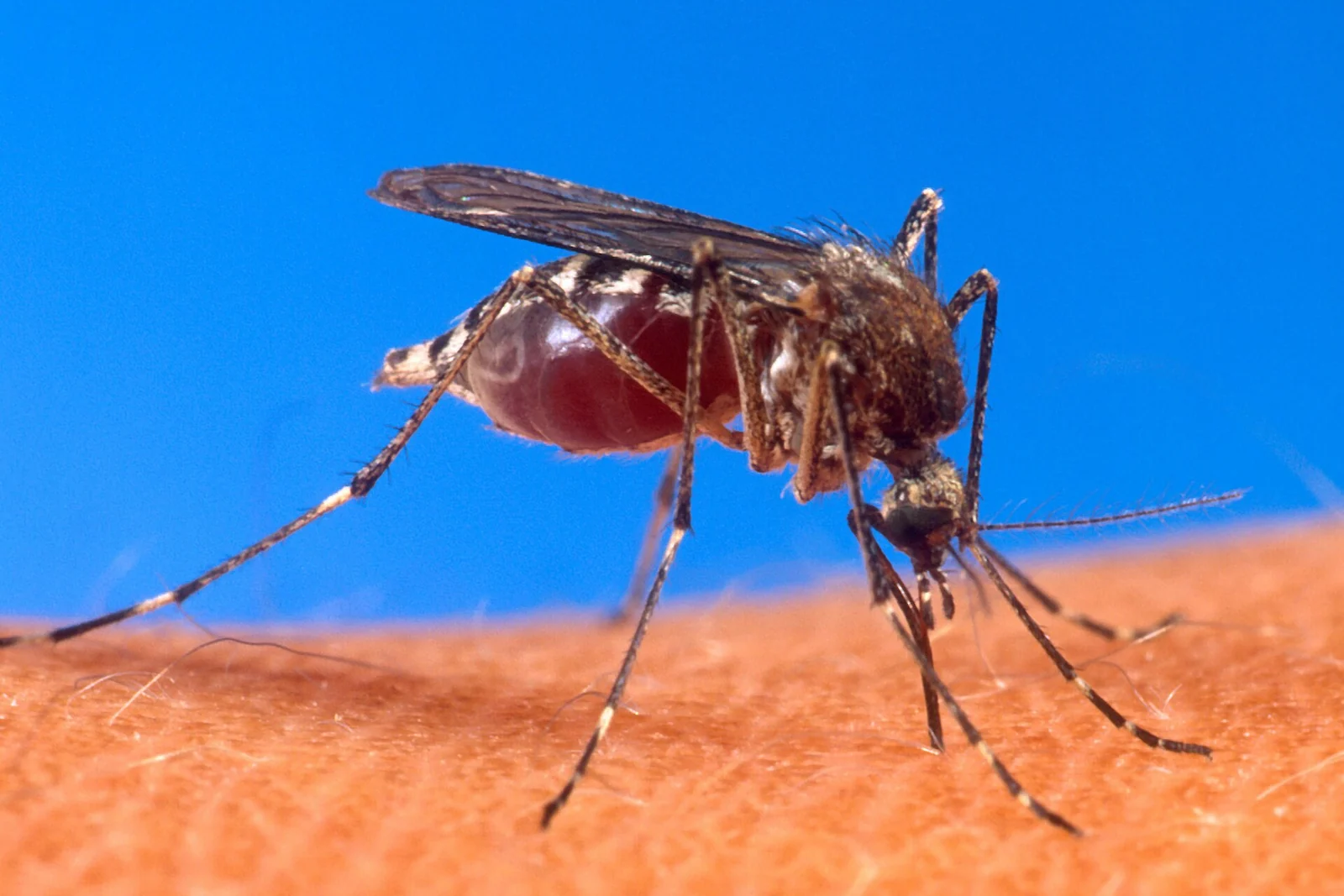
That’s the fact that makes Tampa yard mosquito control work: the container-breeding Aedes aegypti and Aedes albopictus that bite at your ankles during daylight hours don’t fly in from the bay — they hatch from the plant saucer, the bromeliad cup, the clogged gutter and the kids’ toys holding last Tuesday’s rain. Hillsborough County’s mosquito program handles the big public-health picture; what it doesn’t do is make your backyard livable in July. The dispatch line matches you with FDACS-licensed operators who run yard-level programs — barrier treatments, larval-site elimination and rainy-season schedules built for how Tampa actually breeds mosquitoes.
Talk to a live dispatch coordinator now
Can’t use the lanai after 5 p.m., ankle-biters at the kids’ swing set, a birthday party coming up — describe it and get routed to a licensed Tampa mosquito operator.
(863) 445-9190Tap to call — 24/7 dispatch
Free to call. Free to get matched. The licensed operator you’re matched with gives the quote.
24/7 line · A real person answers · Availability of same-day and emergency service depends on the provider.
Need mosquito control in Tampa, FL? Call (863) 445-9190 and a dispatch coordinator matches you with an FDACS-licensed operator serving your Tampa ZIP — monthly or event-based yard barrier treatments, breeding-site audits and larvicide programs that run through the June-to-September rainy season. Lakeland Exterminators is a dispatch service: the licensed local operator inspects the yard and quotes the program.
Why is Tampa mosquito season basically year-round?
Because Tampa stacks three breeding engines. First, the rainy season: from June through September, afternoon storms refill every container, saucer and low spot on a five-day cycle — and Aedes eggs laid at the waterline of a dry container can wait months for that refill, then hatch within a week. Second, irrigation and landscaping: sprinkler systems, bromeliads, dense ground cover and shaded mulch keep the humidity and standing micro-water going right through the dry months. Third, the drainage web — Tampa’s ditches, swales and storm systems breed Culex mosquitoes, the nighttime biters and the genus that matters most for West Nile virus, which is why the county treats at that scale while your yard program handles the rest.
A real yard program splits the work by mosquito. Against daytime Aedes: a barrier application to the resting surfaces — underside of leaves, hedge interiors, shaded fence lines — plus a walk-through that dumps, drills or treats every water-holding thing on the property, including the bromeliad cups where a teaspoon of water raises a brood. Against evening Culex: larvicide dunks in the spots that can’t be drained — French drains, gutter low spots, bird baths on a schedule. What no honest operator promises is zero mosquitoes — in Florida the honest number is a large, sustained reduction, deepest when neighbors aren’t running open nurseries next door.
Where is mosquito pressure worst around Tampa?
- Seminole Heights & Old Tampa neighborhoods (33603, 33604): dense canopy shade, older gutters, rain barrels and lush yards — prime Aedes container habitat.
- South Tampa (33606, 33609, 33611, 33629): irrigated landscaping, bromeliad beds and privacy hedges — daytime ankle-biter country.
- Davis Islands & bayfront blocks (33602, 33606): low elevation and slow-draining spots after king tides and summer storms.
- Town ’n’ Country (33615, 33634): canal and ditch adjacency — Culex pressure at dusk on top of yard breeders.
- Westchase & Citrus Park (33625, 33626): retention ponds and conservation edges — evening pressure the county manages, yard breeders you manage.
- New Tampa (33647): pond-backed lots and reclaimed-water irrigation — steady humidity, steady breeding.
What does a Tampa yard mosquito program actually include?
Expect four parts. A source audit on the first visit — the operator walks the property finding every water-holder, from the obvious kiddie pool to the corrugated downspout extension nobody thinks about, and fixes or treats each one. A barrier treatment applied with a mist blower to resting vegetation, re-applied on a schedule (commonly monthly, tighter in peak season) because Florida sun and rain break the product down. Larvicides — growth-regulator dunks or granules — in permanent water that can’t be dumped. And timing honesty: a treatment two days before a backyard wedding works; a treatment during a downpour doesn’t, and a good operator reschedules around Tampa’s afternoon radar instead of spraying into it. Pet- and pollinator-conscious application — keeping product off blooming plants and letting treatments dry before releasing the dog — is standard practice for licensed crews, and worth asking about directly.
Call the line
Tap (863) 445-9190 any hour. Describe when and where the biting is worst, and your Tampa ZIP.
Get matched by need
Season-long program calls route to operators with recurring yard routes; one-event calls route to providers who do pre-party knockdowns.
A licensed operator takes over
An independent, FDACS-licensed and insured Tampa operator audits the yard, treats, and quotes the schedule. No obligation — the dispatch call costs nothing.
Lanai unusable by 5 p.m.? Ankle bites at noon?
The line answers 24/7 and matches you with a licensed Tampa mosquito operator.
One tap. One call. Matched.
(863) 445-9190Tap to call — 24/7 dispatch
Free to call. The licensed operator gives the quote.
Tampa mosquito control questions, answered straight
Doesn’t Hillsborough County already spray for mosquitoes?
Why am I still getting bitten during the day after fogging the yard myself?
Are barrier treatments safe for pets and bees?
What does mosquito control cost in Tampa?
Disclosure
Lakeland Exterminators is a pest control dispatch and referral service, not a licensed pest control operator. All mosquito inspections, quotes and treatments in Tampa are performed by independent pest control operators licensed by the Florida Department of Agriculture and Consumer Services (FDACS) and insured in their own name. Calling the dispatch line is free and creates no obligation; the licensed local operator you’re matched with sets their own pricing and terms.
More Tampa help: Pest control in Tampa, Roach control in Tampa, Rodent control in Tampa · All pest control services