The pincher bug myth
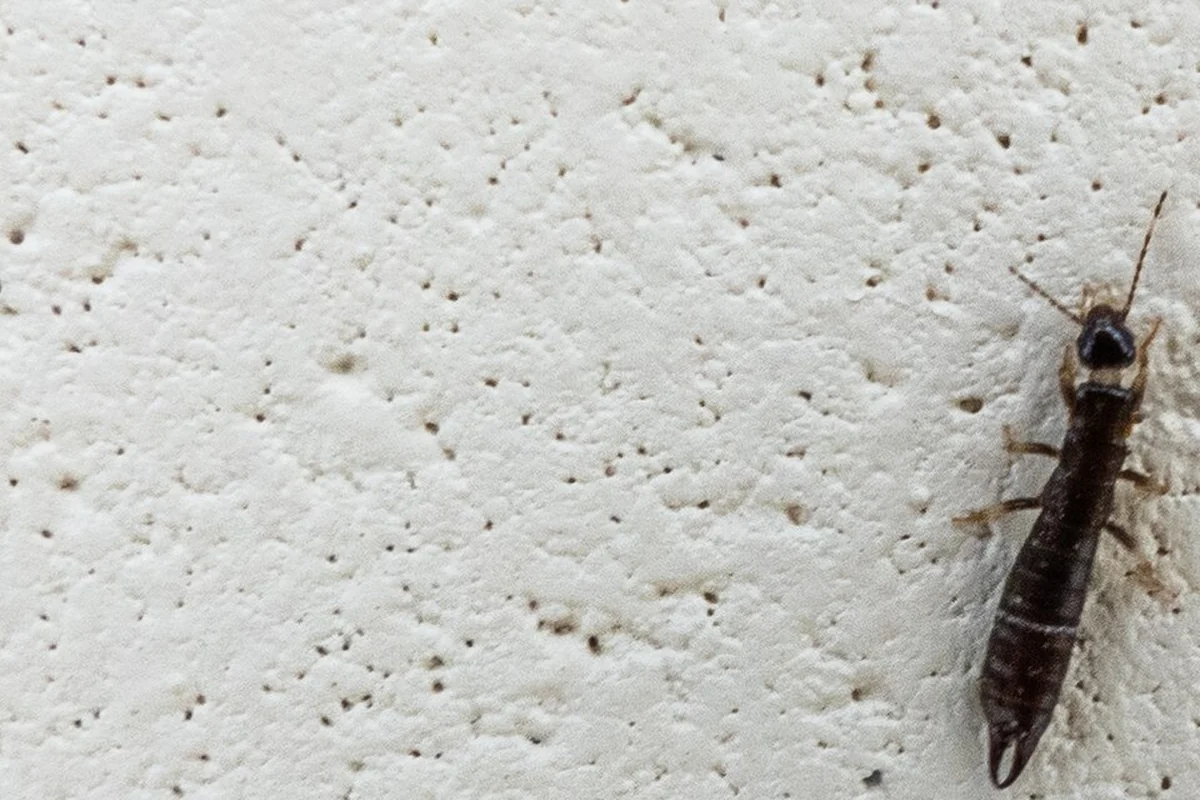
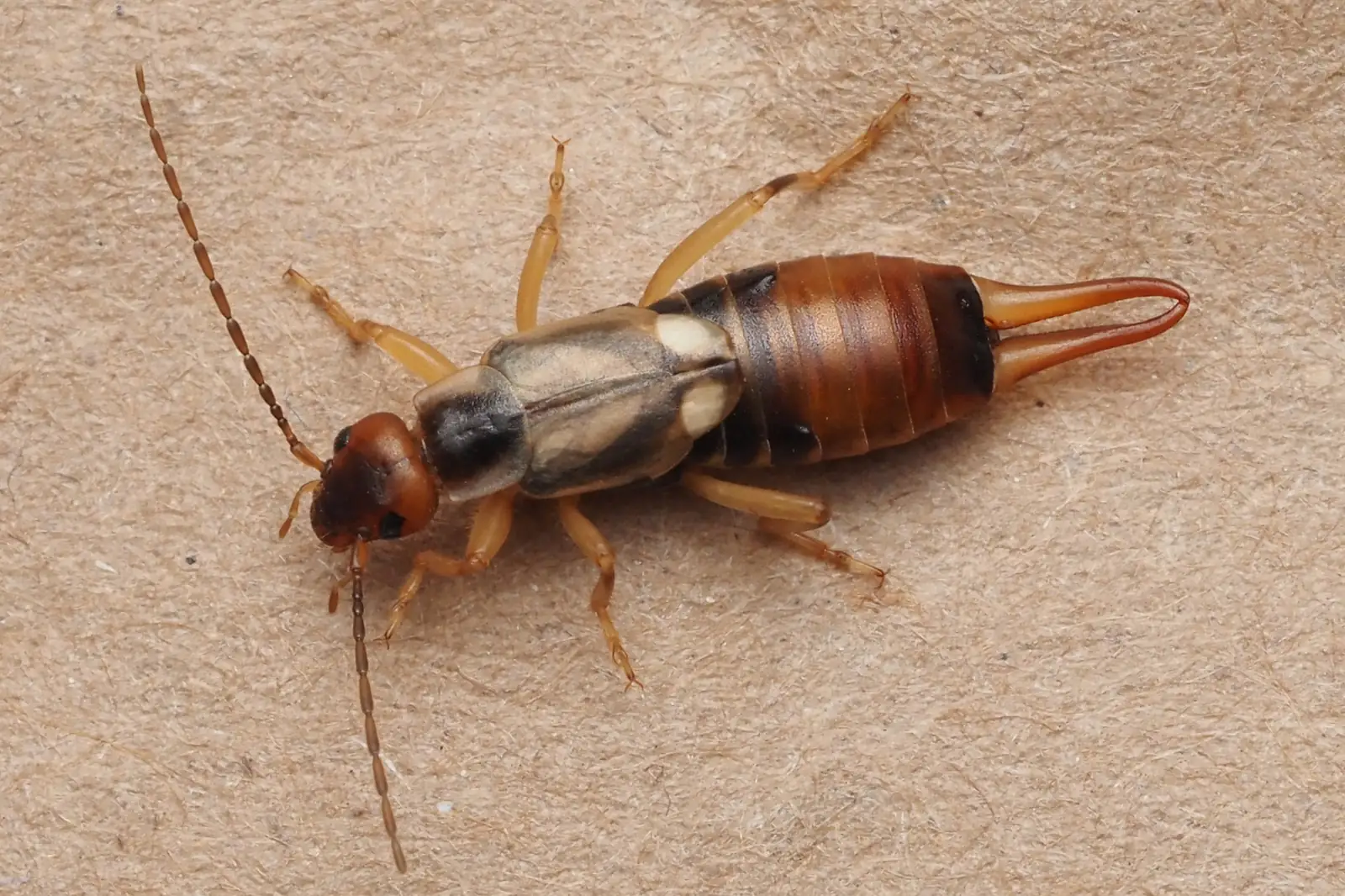
Earwigs earn an outsized reaction for a pest that is genuinely harmless to people. The pincers on the back end (cerci) look alarming, and the name itself (“earwig”) comes from an old, false legend about the insect crawling into ears — something it has never actually been documented to do. In reality, earwigs cannot bite, do not sting, do not transmit disease, and the pinch from the cerci (if it happens at all) is a barely-there squeeze most people never notice. What earwigs actually do is signal moisture and organic debris nearby — which is why Lakeland homeowners keep finding them in the same handful of spots.
Why they wander into Polk County homes
Earwigs are nocturnal and moisture-dependent. During the day they hide in damp, dark places: under mulch, beneath fallen leaves, in cracks in the soil, under stones and landscape edging. At night they forage for the decaying plant matter, algae, and small insects that make up most of their diet. Central Florida’s combination of high humidity, frequent rain, and heavy landscaping mulch use around foundations creates ideal earwig habitat almost everywhere in Lakeland — from established mulch beds in Cleveland Heights and Lake Morton to newer landscaping in South Lakeland subdivisions.
They do not come inside to nest or infest a Lakeland home the way roaches or ants do. Individual earwigs wander in — usually along a moisture gradient from a wet mulch bed straight to the nearest door threshold — and once inside, they are drawn to the dampest room in the house, which is almost always the bathroom.
Where you actually find them
- Bathrooms, especially near tubs, showers, and any spot with residual condensation or a slow drain leak
- Kitchens, near sinks and dishwashers where moisture collects
- Mulch beds pushed up against the house, particularly beds that stay wet because of sprinkler overspray or poor drainage
- Door thresholds and garage entries, where a gap under the door lines up with an exterior mulch bed or damp landscaping
- Lanai and pool cage perimeters, common across Lakeland’s screened outdoor living spaces, where standing moisture after rain lingers on concrete
- Porch lights and exterior fixtures, since earwigs are drawn to light at night along with the smaller insects they feed on
The moisture and exclusion fix
Earwig control in Lakeland is almost entirely a moisture-and-gap problem, not a pesticide problem:
- Pull mulch back from the foundation by at least 6-12 inches, and let the strip of exposed soil closest to the house dry out between waterings.
- Fix sprinkler heads that spray directly onto the house or foundation bed — a very common issue in HOA-irrigated Lakeland communities where zones weren’t adjusted after landscaping changes.
- Repair drain leaks and address bathroom condensation — a chronically damp bath is the single biggest indoor earwig magnet.
- Seal door thresholds and garage door bottoms so the gap between a wet exterior bed and a dry interior floor is actually closed.
- Switch nighttime exterior lighting to warmer, insect-attracting-reduced bulbs or position fixtures away from entry doors.
- Rake back leaf litter and organic debris from against the slab, especially under oak canopy common in older Lakeland neighborhoods.
Homeowners can usually clear an occasional earwig sighting with these steps and a vacuum for stragglers — no spray needed for a one-off appearance.
When to call a pro
A few earwigs after a rainy week is normal Central Florida life. A steady, repeat presence — multiple earwigs a week in the same bathroom, or earwigs showing up even during dry stretches — usually means there’s a moisture source or entry point that isn’t obvious from a homeowner walk-through: a slow plumbing leak inside a wall, a chronically wet crawl space, or an irrigation zone that’s been overwatering the same bed for months. A licensed Polk County pest control operator can run a perimeter treatment and help pinpoint the moisture source driving the pattern.
Get matched with a licensed Lakeland-area pest pro
One call reaches a licensed, local exterminator who covers your address — and a real person answers, 24/7.
Free to call. Free to get matched. The licensed operator gives the quote.
Related Lakeland Exterminators pages
- Silverfish & Booklice: Humidity Pests in Lakeland Homes
- Yard Care That Quietly Reduces Pest Pressure Around a Lakeland Home
- Pest Control in South Lakeland, FL
- Exterminator in Lakeland, FL
Verify before you sign: structural pest control in Florida requires an FDACS license under Chapter 482, Florida Statutes. Every operator this line matches is independent, licensed and insured — and you can check any company yourself in thirty seconds at the FDACS license search.
Frequently asked questions
Do earwigs really crawl into people’s ears?
No. That’s an old folk myth tied to the insect’s name, not documented behavior. Earwigs have no biological reason to seek out ears and there is no credible record of it happening under normal circumstances.
Can earwigs bite or sting?
Earwigs cannot bite or sting in any medically relevant sense. The pincers (cerci) on the abdomen can deliver a very light pinch if an earwig is handled directly, but it does not break skin and is not dangerous.
Why do I keep finding earwigs in my bathroom specifically?
Bathrooms are usually the most consistently humid room in a Lakeland home, and earwigs are strongly drawn to moisture. A chronically damp bathroom — from condensation, a slow leak, or poor ventilation — is the most common indoor earwig magnet in Polk County homes.
Will getting rid of my mulch stop earwigs?
Not necessarily, but pulling mulch back from the foundation and letting the soil nearest the house dry out between waterings removes the specific bridge earwigs use to travel from a damp bed straight to a door threshold. You don’t have to eliminate mulch — just create a dry buffer zone.
Are earwigs a sign of a bigger infestation?
Not typically. Occasional earwigs are common anywhere in Central Florida with mulch and irrigation. Recurring indoor sightings point to a specific moisture or gap issue rather than a growing colony, since earwigs don’t build nests inside homes the way ants or roaches do.
How much does earwig treatment cost in Lakeland?
Pricing is set independently by the licensed pest control operator who takes your call and depends on the property, the scope of the moisture issue, and whether it’s a one-time visit or part of a recurring program. Call to get matched and ask the pro directly for a quote.