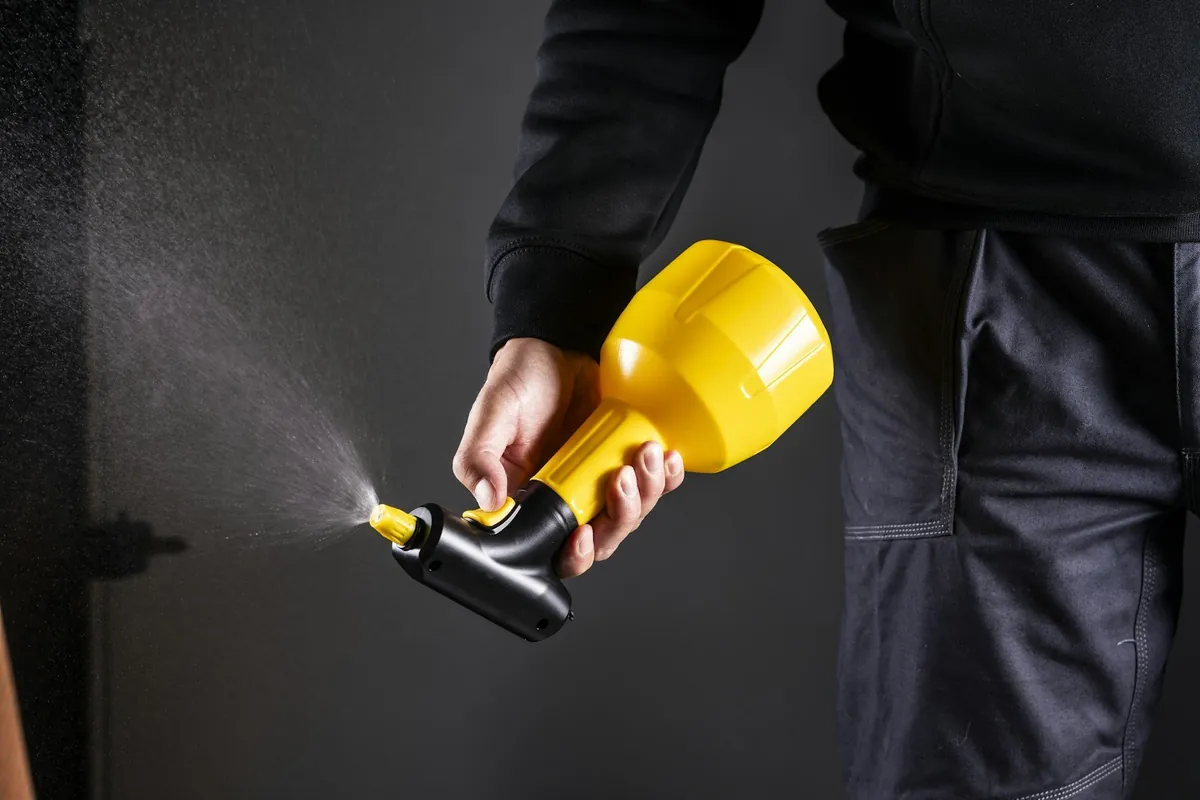
If you’ve spotted a small, silvery, teardrop-shaped insect darting under a bathroom vanity in Lakeland, or noticed almost invisible pale specks moving across a stack of stored books or cardboard boxes, you’re likely looking at silverfish or booklice — two pests that don’t get much attention compared to termites or roaches, but that thrive in exactly the humidity conditions Central Florida provides most of the year.
Neither pest bites or spreads disease the way mosquitoes or roaches can, but both are a reliable sign that somewhere in the home, humidity is running higher than it should — and both can quietly damage paper, book bindings, wallpaper glue, and stored fabric over time. Here’s how to tell them apart, why Polk County’s climate makes them common, and what actually reduces them long-term.
Silverfish vs. booklice: what you’re actually seeing
These two get confused because both show up in the same damp, undisturbed spots, but they look and behave differently.
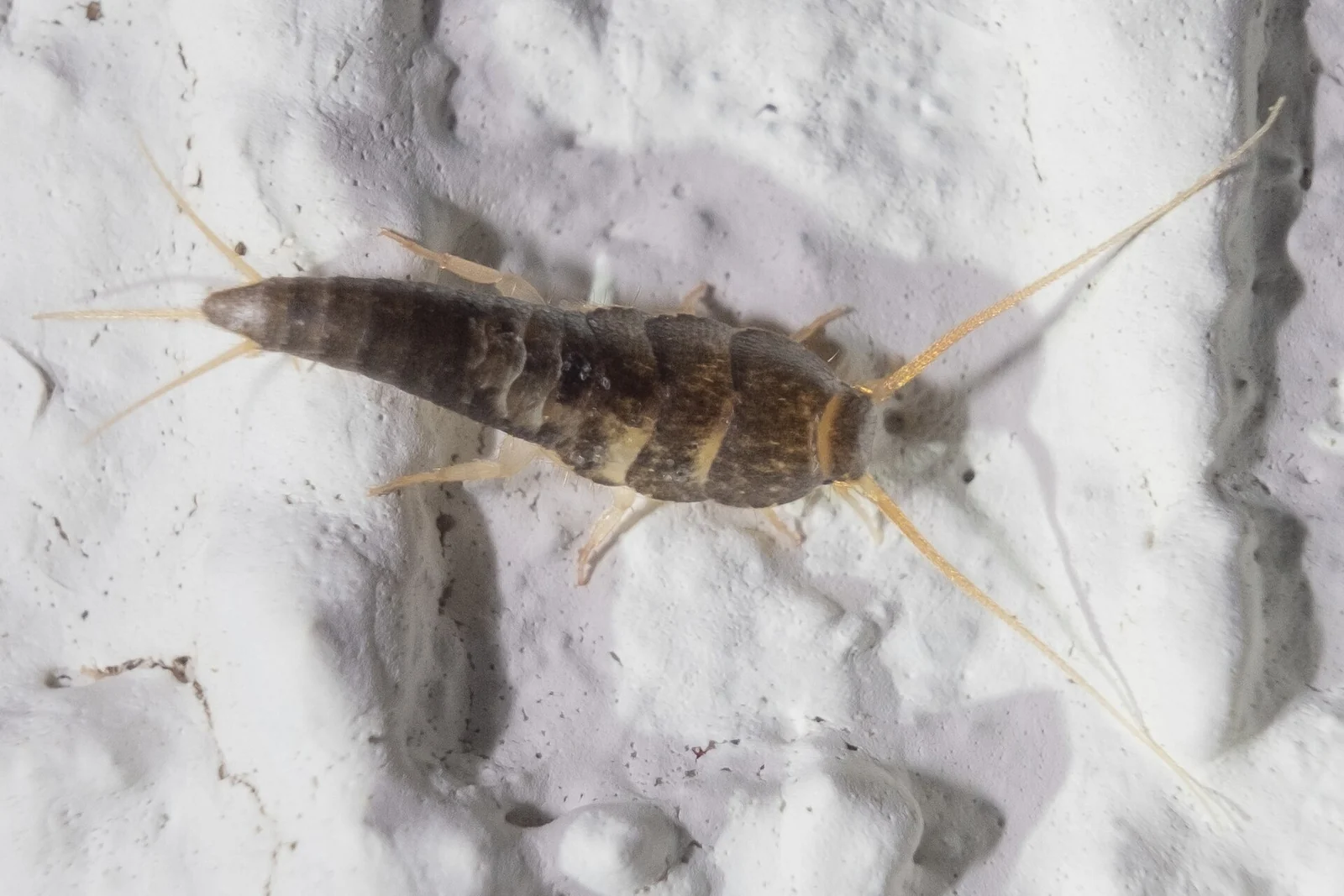
- Silverfish are wingless insects, roughly half an inch to an inch long, with a flattened, carrot-shaped body tapering to three tail-like bristles at the rear. They move in a quick, fish-like wriggle — hence the name — and are usually silver-gray or pearl-colored. They’re nocturnal and bolt for cover the moment a light comes on.
- Booklice (technically psocids) are much smaller — often barely visible, at around a millimeter or two — soft-bodied, pale, and wingless in the species found indoors. Despite the name, they don’t bite and aren’t true lice; they feed on mold, mildew, and organic debris rather than blood. You’ll usually notice them as tiny moving specks on paper, in a closet, or around a damp window sill.
Both are considered “occasional invaders” — not pests that establish large, aggressive colonies indoors like roaches, but ones that show up reliably wherever conditions favor them. Two other occasional invaders driven by the same Central Florida humidity are covered in our guides to centipedes and millipedes after Central Florida rain and earwigs in Lakeland bathrooms and mulch beds.
Why Lakeland’s climate is a perfect fit for both
Silverfish and booklice share one core requirement: elevated humidity. Booklice in particular are often a direct indicator of mold or mildew growth, since that’s their food source. Central Florida’s combination of long, humid summers, frequent afternoon storms, and homes that cycle between air-conditioned interiors and humid exteriors creates the exact microclimates these pests favor:
- Bathrooms and laundry rooms, where showers, humidity, and sometimes poor ventilation keep surfaces damp longer than they should be.
- Closets and storage areas in homes throughout South Lakeland and Highland City, especially ones backed against exterior walls that run cooler and collect condensation.
- Garages and sheds in Auburndale, Mulberry, and Bartow properties, where cardboard boxes and stored paper sit for months without being disturbed.
- Older homes near Lake Hollingsworth, Lake Morton, and Dixieland, where original construction, older window seals, and mature landscaping can trap moisture against exterior walls.
- Attics, where poor ventilation combined with Florida’s summer heat and humidity can create condensation on the underside of the roof deck.
Neither pest is a sign of a dirty home in the way roaches often are — they’re a sign of a humidity problem, which is a different fix.
What they damage (it’s not nothing)
Silverfish and booklice aren’t structural pests like termites, but left alone they can cause real, slow damage:
- Paper and books — silverfish feed on the starches in book bindings, wallpaper paste, and paper itself, which matters for stored documents, photo albums, and book collections.
- Fabric and clothing — natural fibers and starched fabrics stored in humid closets are a food source for silverfish over time.
- Mold-affected materials — booklice populations often track directly with a mold or mildew problem, so a booklice sighting is worth treating as a prompt to check for moisture damage nearby, not just the insects themselves.
Reducing humidity: the actual fix
Because both pests are humidity-driven, the most effective long-term control isn’t a spray — it’s drying out the environment they depend on.
- Run a dehumidifier in chronically damp rooms, closets, or storage areas where central air doesn’t reach effectively.
- Improve ventilation in bathrooms and laundry rooms — exhaust fans that actually vent outside, run during and after showers, make a measurable difference.
- Check attic ventilation, since a poorly ventilated attic in Florida’s summer heat can run damp enough to support both booklice and the mold they feed on.
- Store paper and cardboard off the floor and away from exterior walls, especially in garages and sheds where humidity swings are largest.
- Address any active leaks or condensation promptly — a slow plumbing leak under a bathroom vanity or a condensation-prone window is often the actual source feeding a silverfish or booklice sighting.
- Use a moisture meter in problem spots if sightings persist; it can help pinpoint a hidden damp area before it becomes a bigger moisture or mold issue.
These same humidity-control habits overlap with general pest prevention in Polk County homes — see our guide on cleaning routines that keep Lakeland homes pest-resistant for the sanitation side of the equation.
Get matched with a licensed Polk County pest control pro
One call reaches a licensed, local exterminator who covers your address — and a real person answers, 24/7.
When it’s worth calling a pro instead of just running a dehumidifier
A few silverfish or booklice after a heavy rain stretch usually resolve once humidity drops. It’s worth getting a professional inspection when:
- Sightings are frequent or increasing despite reasonable humidity control.
- You notice a musty smell or visible mold alongside the insects, which points to a moisture problem beyond simple ventilation.
- Stored books, documents, or fabric show visible feeding damage or yellowing.
- The activity is concentrated in one specific spot, which often means a localized leak or condensation source rather than general home humidity.
A licensed pest control professional can treat the current population and help identify whether there’s an underlying moisture issue worth addressing before it becomes a mold problem. If termites are also a concern in an older or humid home, our guide on subterranean vs. drywood termites in Polk County covers the more structurally serious pests that also favor damp wood.
FAQ
Are silverfish dangerous or do they bite? No. Silverfish don’t bite people and don’t spread disease. They’re a nuisance and can damage paper, book bindings, and stored fabric over time, but they pose no direct health risk.
Are booklice actual lice? No, despite the name. Booklice (psocids) are unrelated to parasitic lice, don’t bite, and don’t live on people or pets. They feed on mold, mildew, and organic debris in damp areas.
Why do I keep finding silverfish in my bathroom? Bathrooms are typically the most humid room in the house, especially with limited ventilation. Silverfish are drawn to that consistent moisture, often around vanities, tubs, and baseboards.
Does seeing booklice mean I have a mold problem? It’s a reasonable thing to check. Booklice populations often track with mold or mildew growth since that’s a primary food source, so a booklice sighting is worth using as a prompt to inspect nearby surfaces for moisture damage.
Will a dehumidifier get rid of silverfish on its own? Reducing humidity removes the conditions they need to thrive and often reduces sightings significantly, but an established population may still need direct treatment from a licensed pro, especially if the humidity source isn’t fully resolved.
Can silverfish damage my home’s structure? Not in the way termites do. Silverfish feed on paper, starches, and some fabrics rather than structural wood, so the damage is typically to stored items rather than the building itself.
One call reaches a licensed, local exterminator who covers your address — and a real person answers, 24/7.
Lakeland Exterminators is a dispatch and matching service connecting homeowners with independent, licensed (FDACS) pest control professionals. We do not perform pest control treatments ourselves.