📞 Call (888) 295-0220Open 24/7. Enter your ZIP on the keypad and talk live with a local pest control company that serves your area.
Quick answer: A hurricane rearranges Florida’s pest map in seventy-two hours. Floodwater flushes rats out of burrows and sewer roaches up through drains, wind opens buildings to everything, fire ant colonies raft on the water and land in new yards, and the wet debris that follows feeds mosquito booms for a month. The week after a storm is the highest-leverage pest-prevention window of the year: an exclusion walk, a drain reseal, a container sweep and a moisture check do more good in that window than a season of routine service — and the rebuild that follows decides the next decade of termite risk.
Need a pest control company to take a look?
Call, enter your 5-digit ZIP on the keypad, and get connected live with a local pest control company. Free to call, 24/7.
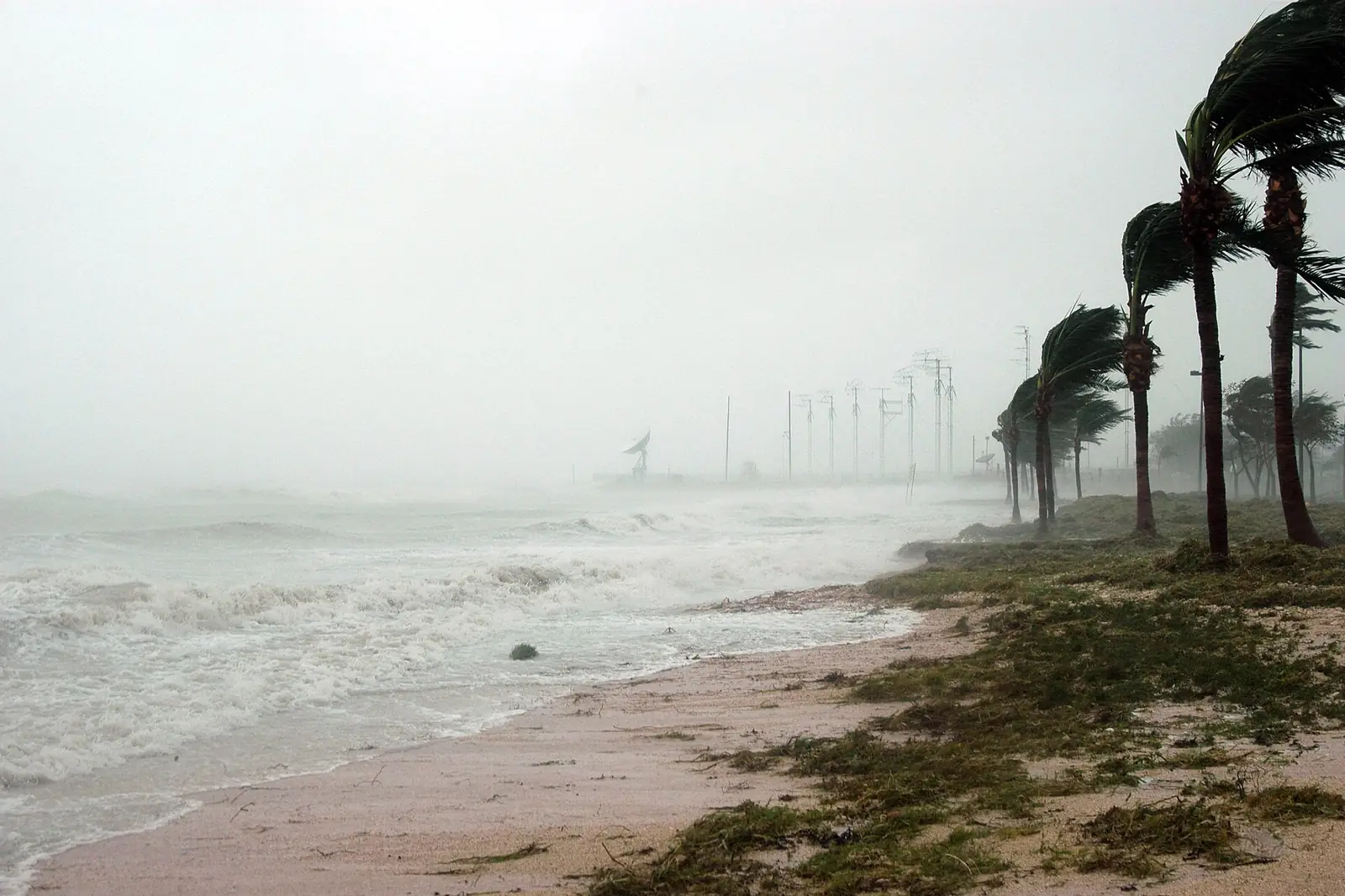
What does a storm actually do to pest populations?
It displaces them — violently and all at once. Norway rats living in burrows along canals, bulkheads and storm drains get flooded out within hours and move upslope into yards, garages and any structure with a gap; roof rats lose canopy nests to wind and probe rooflines for shelter. American cockroaches ride surcharged sewer laterals up into buildings through floor drains whose water seals have been blown out or dried out. Fire ant colonies survive flooding by rafting — whole colonies floating as living mats until they strike dry ground, which is how a yard that never had mounds inherits three after the water recedes. Even wildlife joins the reshuffle, which is why post-storm weeks produce the year’s strangest attic noises.
What should the 72-hour post-storm audit cover?
- The foundation walk: circle the structure looking for fresh rodent burrow openings, washed-out soil against slabs and piers, and debris lines showing where water stood against wood. Every gap the water revealed is a gap that was always there — seal in metal, not foam.
- The drain reseal: run water into every seldom-used fixture — floor drains, guest showers, laundry sinks — to restore the trap seals that keep sewer roaches below. Screens on problem drains are cheap insurance.
- The container sweep: dump, drill or remove everything holding rainwater — tarps, buckets, wheelbarrows, clogged gutters, the kiddie pool. Ten minutes now prevents the backyard’s share of the mosquito boom.
- The attic listen: displaced rodents settle into audible routine within a few days. Dusk scratching in week one post-storm is an early-catch opportunity — exclusion plus trapping before nesting establishes.
- The debris triage: vegetation piles against the house are harborage for roaches, rodents and snakes; wet wood against soil is a termite invitation. Stage debris away from structures while it waits for pickup.
Why is the rebuild the termite decision that matters most?
One more rebuild-adjacent check: pressure-washed and flood-soaked soil lines around the foundation can breach old liquid termite barriers. If your home’s protection predates the storm, ask the operator whether the treated zone needs a touch-up on the disturbed sides — a fraction of re-treatment cost when done promptly.
Which post-storm pests are dangerous rather than just unwelcome?
Fire ants lead the list: rafting colonies land agitated, and flood-debris cleanup is when Floridians get stung in numbers — wear boots, watch where debris piles sit for a day before moving them, and treat new mounds with bait rather than a shovel. Displaced rodents carry contamination risks into food-storage areas; wear gloves and disinfect where droppings appear. And the mosquito boom is a disease-vector event, not just an itch — which is why counties surge spraying after storms and why the yard-level container work matters beyond comfort. For the household checklist version, see the hurricane recovery pest checklist and the pre-storm prep guide.
Storm passed — and something moved in?
Call to get connected with a local pest control company in your Florida city for post-storm rodent, roach, ant, mosquito or termite work.
Free to call · 24/7 · The pest control company you’re connected with gives the quote.
Disclosure: Lakeland Exterminators is a free referral line. We connect callers with structural pest control operators. We are not a pest control company and do not perform treatment, set prices, or issue warranties. All pricing, scheduling and treatment plans are determined by the pest control company connected with your address under Chapter 482, Florida Statutes.
Check the company before treatment starts
In Florida, pest control companies must hold a business license from the Florida Department of Agriculture and Consumer Services (FDACS) under Chapter 482, Florida Statutes. Ask for the company’s license number and look it up on the FDACS license search before work starts.
Get the treatment plan, the products to be used, any follow-up visits and the price in writing. For termite work, ask what the contract or bond covers, whether it’s retreatment only or includes repair of damage, and how long it lasts. Our guide on checking an FDACS pest control license walks through it.
How the call works
- Call (888) 295-0220. Any time, day or night.
- Enter your 5-digit ZIP code on your phone’s keypad when prompted.
- Get connected live with a local pest control company that serves your ZIP. Describe what happened and ask when they can come out and what the job will cost.
Lakeland Exterminators is a free referral line that connects callers with independent local pest control companies. We don’t perform the work. The company you’re connected with gives the quote, does the work and stands behind it.