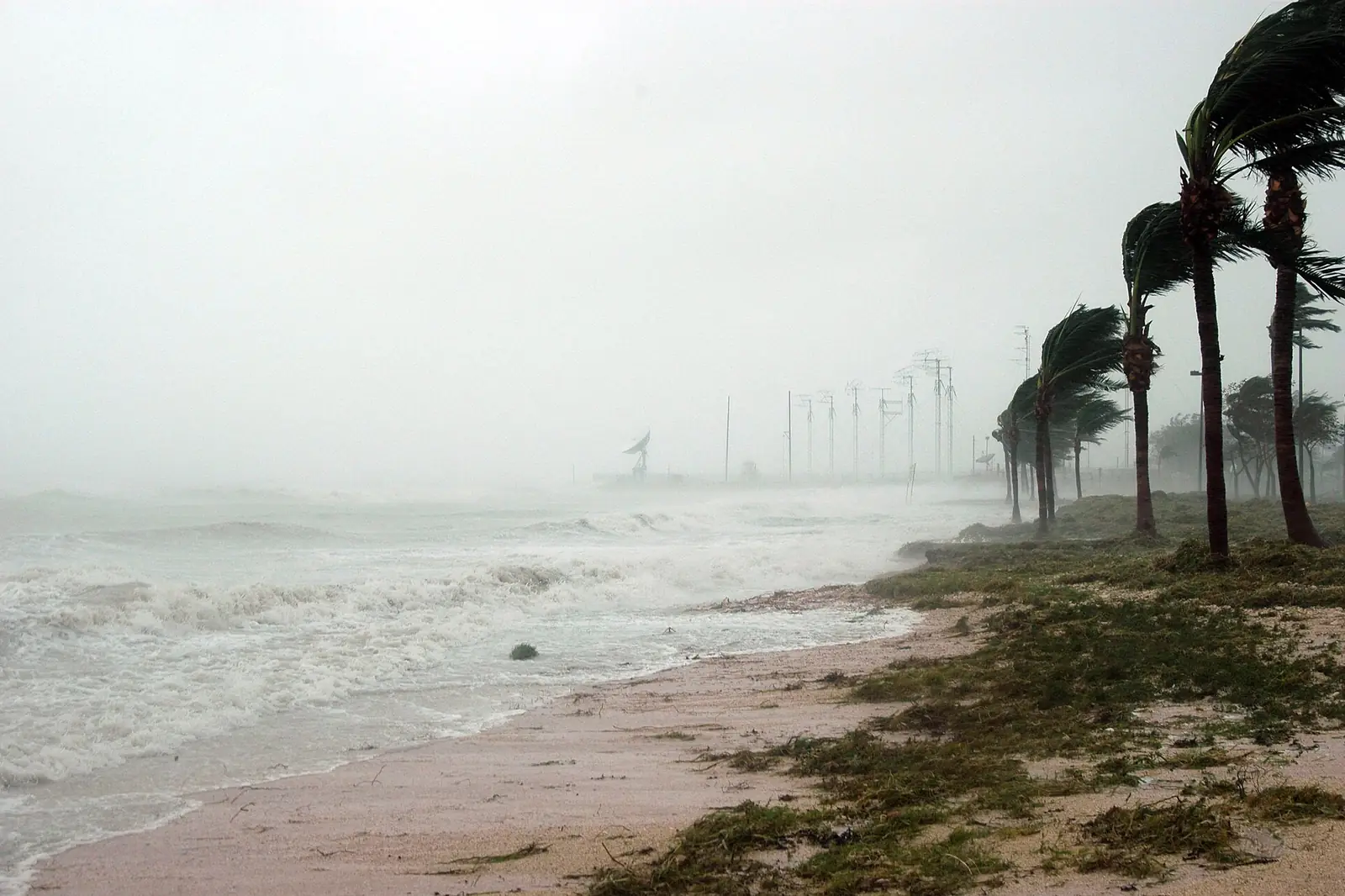
The pest problems come after the storm. The prep happens before it.
One call reaches a licensed, local exterminator who covers your address — and a real person answers, 24/7.
Talk to a licensed exterminator now
Call and we’ll connect you with a licensed, local exterminator who covers your address. It takes about two minutes, and a real person answers.
Free to get matched. The licensed operator gives the quote.
24/7 line · A real person answers · Availability of same-day and emergency service depends on the provider.
Why Polk County is a repeat pest target after storms
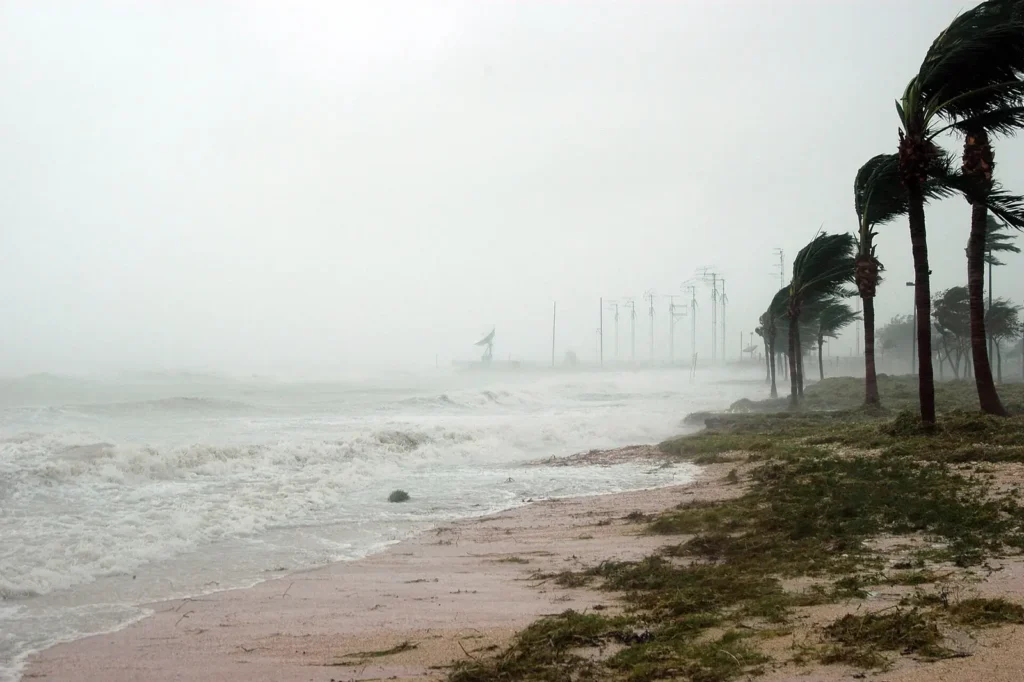
Polk County has been struck or significantly affected by a long run of major hurricanes — the Charley/Frances/Jeanne triple in 2004, Irma (2017), Ian (2022), Idalia (2023), and Milton (2024). Every major storm sets off the same predictable sequence: displaced wildlife and rodents seeking shelter before landfall, rodents migrating into structures afterward, ant and palmetto bug populations pushed out of flooded ground, and termite pressure building on water-damaged framing. Standing water also drives a mosquito surge — which in Polk County is handled at the community level by the Polk County Mosquito Control District’s area spraying, not by structural pest operators.
The pests you can get ahead of — rodents, termites, ants, and roaches — are best addressed before the storm, when an operator can actually inspect and seal the structure. That’s what this page is about. For the full 12-month view of what drives pest pressure here beyond hurricane season, see the Polk County pest prevention guide.
Pre-season prep (May–June, before the first threat)
Trim vegetation back from the house
Tree limbs, palm fronds, and shrubs touching the structure are rodent and palmetto bug highways — and become wind-driven debris in a storm. Clear 6+ feet of separation before hurricane season starts.
Address roof-line termite vulnerability
Drywood termite swarming peaks May–August. A pre-storm inspection catches infestation that post-storm moisture intrusion will only accelerate — far cheaper to treat before framing gets wet.
Seal rodent entry points now
Rodents flee flooding into the nearest dry structure. Sealing dime-sized gaps, dryer vents, and garage-door seals before the storm keeps displaced mice and rats out when the yard floods.
Clear and store yard debris
Woodpiles, mulch bags, and clutter against the foundation give ground-nesting ants and roaches staging harborage — and become projectiles. Move them off and away from the walls.
The storm-season pest timeline
| Window | What to do |
|---|---|
| May–June | Vegetation clearance, pre-season termite inspection, rodent exclusion, debris removal — the whole prep list above, done while the weather is calm. |
| 72 hours before landfall | Bring in loose outdoor items, secure trash and pet food, and confirm your exclusion gaps are still sealed. Don’t schedule non-urgent treatments into an incoming storm window. |
| Immediately after | Remove wet wood and standing water, ventilate damp areas, and document any moisture-damaged framing for a follow-up WDO inspection. Watch for the mosquito surge (see below). |
| 7–30 days after | Schedule rodent inspection and re-exclusion (~14 days) and a WDO inspection on any moisture-damaged structure (~30 days). Full checklist on the recovery page. |
The mosquito surge — who to call
Within 5–10 days of storm flooding, floodwater mosquito species emerge in large numbers across Polk County. This is a community-scale problem: the Polk County Mosquito Control District coordinates county-funded area larviciding and truck spraying during post-storm outbreaks, and that public program is the first line of defense for neighborhood mosquito pressure — contact the District directly for area response. Structural pest operators focus on the pests you can exclude and treat at the building: rodents, termites, ants, and roaches.
Want a pre-storm inspection before the season ramps up?
One call reaches a licensed, local exterminator who covers your address — and a real person answers, 24/7.
Free to get matched. The licensed operator gives the quote.
Hurricane pest prep FAQs
When should I do pre-hurricane pest prep?
Why is a pre-storm termite inspection worth it?
Do rodents really move indoors because of storms?
Who handles post-storm mosquitoes?
Are you the pest control company?
Related Polk County pages
Related Polk County storm reading
What actually happens to pest pressure once the storm passes and the rebuild starts.
- What a hurricane actually does to Florida pest pressure — rats, roaches, rafting fire ants and the rebuild that follows
Disclosure
Lakeland Exterminators is a dispatch and matching service. We connect Polk County callers with FDACS-licensed structural pest control operators. We are not a licensed pest control operator. We do not perform treatment, set prices, issue warranties, or carry pest control trade insurance. All pricing, scheduling, treatment plans, and service terms are determined by the FDACS-licensed operator dispatched to your address under Chapter 482, Florida Statutes.
Same-day and 24/7 emergency services are subject to provider participation, location, technician availability, and demand. Availability is not guaranteed and may vary by market and appointment capacity.
License status of any operator you connect with is publicly verifiable at the FDACS license search.