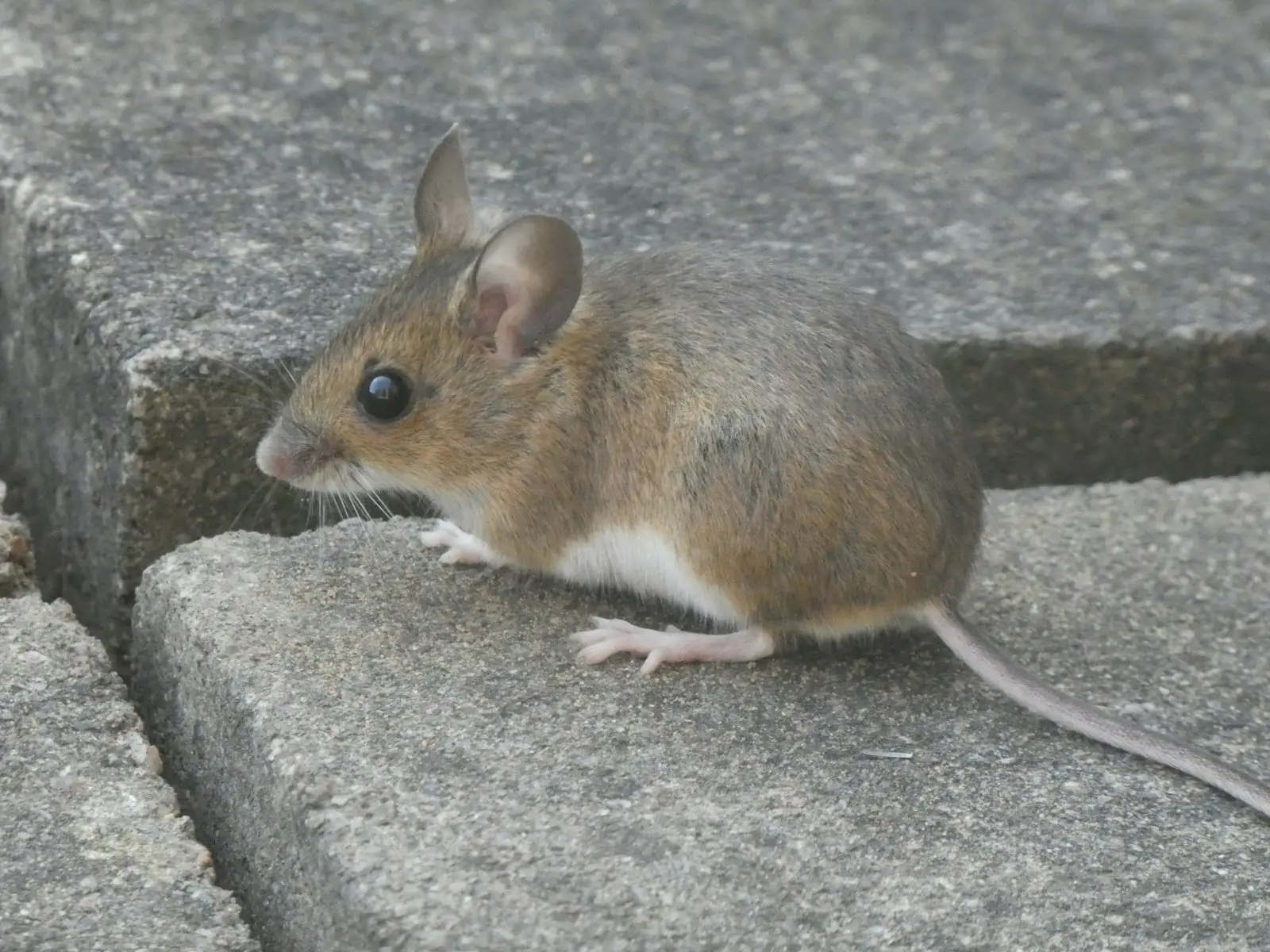
If you’ve lived through a Florida hurricane season, you already know rodents don’t just react to storms — they anticipate them. Polk County pest operators consistently report rodent intrusion calls climbing in the 72-96 hours before a major storm makes landfall, well before wind and water actually arrive. The pattern repeats every August and September: rats and mice that have lived outdoors all spring start showing up in Lakeland attics, walls, and crawl spaces while the storm is still off the Florida coast. Understanding why this happens — and what to do about it before peak storm season — saves a lot of damage.
Dealing with a pest problem right now?
📞 Call now — get matched with a licensed local exterminator: (888) 295-0220When you call, stay on the line for a few seconds while we match you with the licensed local exterminator for your area. Have your address and a quick description of the problem ready.
Licensed local pros · Fast response, subject to availability · No obligation
One call reaches a licensed, local exterminator who covers your address — and a real person answers, 24/7.
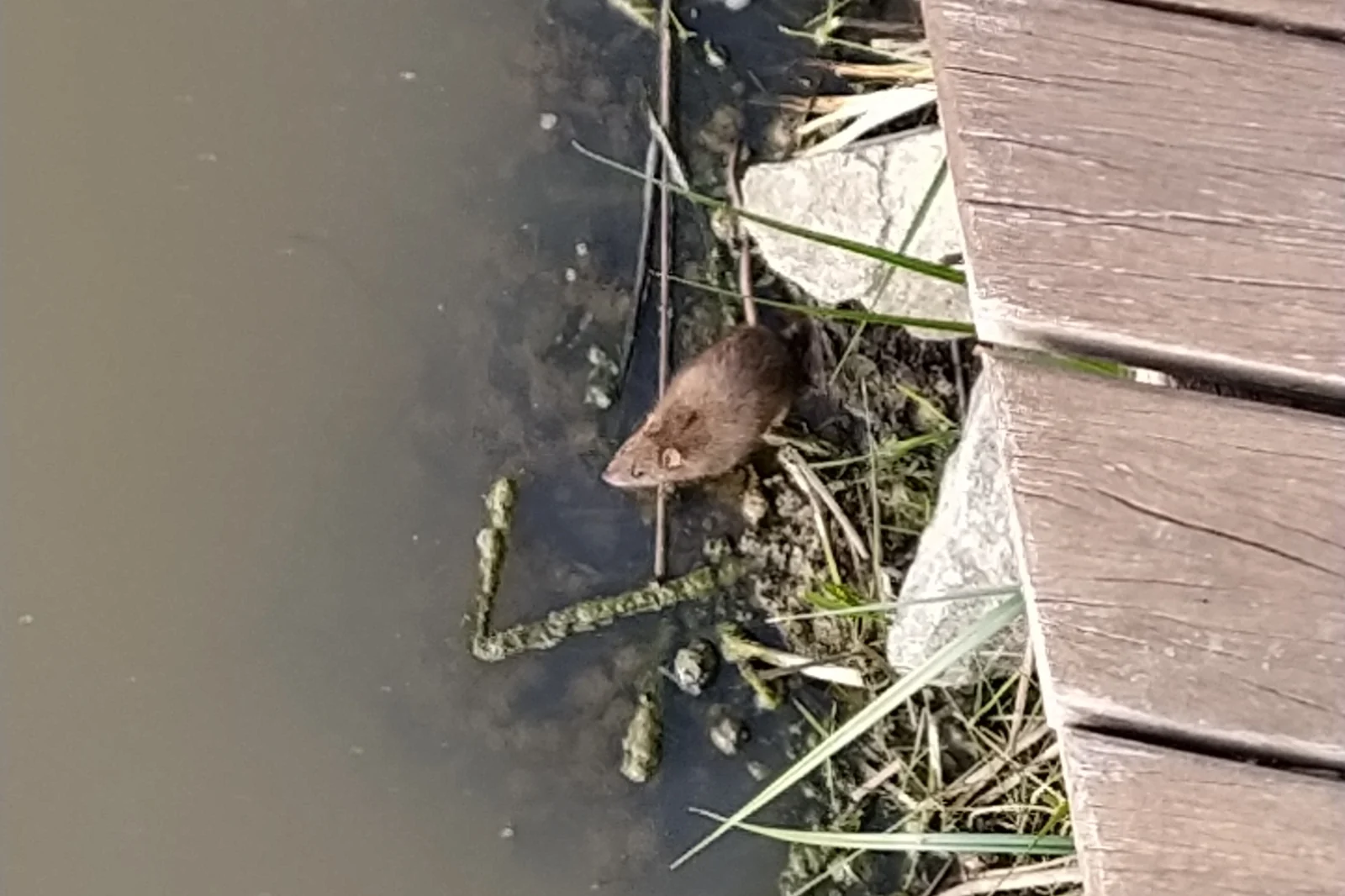
What rodents are sensing
The pre-storm migration isn’t mysterious. Three measurable environmental cues drop or shift in the days before a storm:
- Barometric pressure falls — Rodents are sensitive to pressure changes and respond to low pressure by seeking shelter. Field studies in tropical-storm regions consistently show rodent activity increases as pressure drops.
- Wind direction shifts — Coastal-to-inland flow disrupts outdoor harborage. Rats and mice respond to disturbed nest conditions by relocating.
- Humidity climbs and rain begins — Outdoor harborage in palm boots, citrus blocks, and woodpiles becomes saturated. Indoor structures suddenly look much better.
The result is a 3-5 day window before a storm where rodent intrusion calls spike across Polk County. By the time the storm hits, the rodents are already established inside.
The dominant species in Polk County
Three rodents drive most Polk County intrusion calls, and they behave very differently:
Roof rats (Rattus rattus)
The dominant rodent in Polk County. Excellent climbers; they use overhanging tree branches and utility lines to access roofs. Polk County’s mature oak canopy and citrus belt make this species especially prevalent. Roof rats prefer attic spaces, soffit voids, and palm boot harborage. See the roof rat — Polk County species page. In Winter Haven specifically, the same citrus-belt roof rat pressure applies — see roof rat control in Winter Haven for that area’s approach.
Norway rats (Rattus norvegicus)
Ground-dwelling and burrow-living. Most common around storm drains, sewers, and ground-level commercial structures. The Polk County Norway rat population is concentrated in older urban Lakeland and around restaurant/dumpster zones.
House mice (Mus musculus)
Smaller, faster-reproducing, more flexible about harborage. House mice can enter through openings as small as a dime. See house mouse — Polk County for ID and behavior.
If you hear scratching in the attic, it’s almost certainly roof rats in Polk County. Wall scratching at night could be either; basement and crawl space activity points to Norway rats.
What “rodent exclusion” actually means
There’s a critical difference between trapping and exclusion, and it matters a lot for storm-season planning.
Trapping kills rodents already inside. It doesn’t address how they got in. Trap-only programs at Polk County homes routinely catch rats for years because the entry points are never sealed.
Exclusion identifies and seals every entry point larger than 1/4 inch (mice) or 1/2 inch (rats), then traps the remaining interior population. Done correctly, this fixes the problem.
Polk County 2026 exclusion pricing:
| Service | Relative Cost Level | Notes |
|---|---|---|
| Initial inspection + entry-point assessment | Lowest | Often credited toward exclusion work |
| Exclusion + trapping (single-story home) | Moderate | Most common scenario |
| Exclusion + trapping (two-story or attic-heavy) | Moderate-to-high | Roof rat work in Polk’s mature-canopy neighborhoods |
| Commercial exclusion + IPM program | Highest | Restaurants, food storage, warehouses |
| Annual maintenance after exclusion | Low (ongoing) | Quarterly check-ups |
See rodent exclusion — Lakeland for the full methodology.
Pre-storm exclusion checklist
Ideally run in the calm months before hurricane season peaks (June-early July). If a storm is already in the cone, do what you can but prioritize the items below.
Roof and soffit
- Walk the perimeter and look at the roofline. Any visible holes, lifted soffit panels, gaps where dormers meet roof?
- Tree branches within 6 feet of roof = freeway. Trim them back. This is especially important in Polk County’s oak-heavy neighborhoods (Dixieland, Lake Hollingsworth area, parts of South Lakeland).
- Check ridge vents and gable vents — should be screened with 1/4 inch hardware cloth, not standard window screen.
Foundation and slab
- Look at every penetration through exterior wall: HVAC lines, plumbing, electrical service, gas line, dryer vent. Caulk and steel wool any gaps.
- Weep holes should be open (block construction) but screened with weep hole covers.
- Garage door bottom seal — gap visible? Replace.
Inside
- Attic walk-through — droppings, runways in insulation, urine staining on rafters all indicate active rodent presence.
- Crawl space (if you have one) — entry from below is common in older Lakeland inventory.
- Look in pantry corners, behind appliances, under sinks for droppings.
If you find any signs of activity, the issue exists now and will accelerate during storm season. Address it before the August-September pressure peak.
Storm-period specific risks
A few rodent issues that show up in unusual numbers during Polk County storm season:
- Bait station washout — If you have outdoor bait stations from existing pest control coverage, storm water can saturate or wash them. Service should resume promptly post-storm to maintain protection.
- Attic insulation damage — Roof rats with extended attic time damage and contaminate batt insulation. Severe cases require remediation, not just trapping.
- Wiring damage — Roof rats and Norway rats chew electrical wiring. Polk County electricians see a spike in chewed-wire repair calls post-hurricane.
- Storm-stage debris harbors next generation — Trees down on the property create harborage for the next 60+ days while debris removal continues. Plan for elevated rodent pressure after a major storm.
See hurricane recovery pest checklist — Polk County for the post-storm playbook.
Why DIY rodent control routinely fails in Polk County
Three common failure modes:
- Snap traps without exclusion — Catches a few rodents, leaves the entry points open. Population rebuilds in weeks.
- Poison without exclusion — Same issue, plus the secondary risk of rodents dying inside walls (smell + insect bloom).
- Ultrasonic devices — Multiple peer-reviewed studies show no measurable effect on established rodent populations. Don’t waste the money.
A correctly-executed exclusion is the single most cost-effective rodent intervention in Florida. The math is straightforward: a one-time, moderate exclusion investment costs far less over time than repeated annual trapping plus the electrical repair and insulation damage that comes with letting rodents stay.
Frequently asked questions
How do I know if I have roof rats vs Norway rats vs mice? Scratching in the attic at night = roof rats almost certainly. Droppings in basement or crawl = likely Norway rats. Small droppings (rice-grain size) in pantry corners or behind kitchen appliances = house mice. An FDACS-licensed operator can confirm from droppings, gnaw marks, and runway patterns.
Will rodent activity really stop after exclusion? Yes, if the exclusion is thorough. The standard Polk County exclusion warranty is 6-12 months and most reputable operators back this strongly. If activity resumes, they return at no charge to address the missed entry point.
Should I get rodent service in June if I don’t see any signs? A baseline inspection is cheap insurance — a low, modest fee buys you certainty before storm season. If you find no activity, you’ve documented the pre-storm baseline. If you find any activity, you address it on June timing instead of September emergency timing.
Is rodent control covered by homeowners insurance in Florida? Generally no for the pest control itself, but yes for some forms of resulting damage (wiring chewed, attic contamination) depending on policy specifics. Document everything — photos of damage, dated invoices, exclusion paperwork — for any claim.
Does my dog or cat help with rodent control? Indoor cats can deter rodent intrusion in small kitchens but rarely fix an established roof rat or Norway rat issue. Dogs are not effective rodent control. Both can be at risk from rodenticide exposure if you’ve laid bait — coordinate with a professional to use tamper-resistant stations.
Next steps
One call reaches a licensed, local exterminator who covers your address — and a real person answers, 24/7.
Related Polk County rodent reading:
- Rodent exclusion — Lakeland
- Rodent control — Lakeland
- Roof rat — Polk County
- Norway rat — Polk County
- House mouse — Polk County
- Hurricane recovery pest checklist — Polk County
- Pest control complete guide — Lakeland
- Roof rat control — Winter Haven
One call reaches a licensed, local exterminator who covers your address — and a real person answers, 24/7.
Disclaimer: Lakeland Exterminators is a local dispatch and referral service, not a licensed pest-control operator. We connect Polk County, Florida homeowners with independent, FDACS-licensed and insured pest-control companies. All inspections and treatments are performed by those independent providers, who set their own pricing, scheduling, and service terms.
Any reference to same-day, emergency, or 24/7 service describes the typical scheduling of matched independent providers and is not guaranteed; actual response times vary by provider, season, location, and demand.