Scratching or squeaking in the attic at dusk, a faint ammonia smell, or dark greasy stains around a soffit gap — in Polk County, those are common signs of a bat roost. Before you do anything about it, there’s one thing every Lakeland-area homeowner needs to know: bats are protected in Florida, and for a large part of the year it is illegal to remove them. This guide explains what you can and can’t legally do about bat removal in Polk County, why timing matters, and how a proper exclusion works.
Dealing with a pest problem right now?
📞 Call now — get matched with a licensed local exterminator: (888) 295-0220When you call, stay on the line for a few seconds while we match you with the licensed local exterminator for your area. Have your address and a quick description of the problem ready.
Licensed local pros · Fast response, subject to availability · No obligation
Lakeland Exterminators is an informational directory for Polk County residents. Bat exclusion is performed by independent, FDACS-licensed Florida structural pest and wildlife operators — we don’t perform the work or hold a license ourselves. The information below is general guidance, not legal advice; confirm specifics with a licensed operator and current FWC rules. For the common household pests our Polk County dispatch line currently covers, see pest control in Polk County.
The short answer: it depends on the date
In Florida, all native bat species are protected. You cannot legally kill them, poison them, or trap them, and — critically — you cannot perform an exclusion (sealing them out) during bat maternity season, which runs April 16 through August 14 under Florida Fish and Wildlife Conservation Commission (FWC) rules. During those months, flightless pups are in the roost. Sealing the adults out would trap the young inside, where they die — which is exactly why the law prohibits it. Outside that window, a legal exclusion using one-way devices is the standard, humane solution.
Why bats end up in Polk County attics
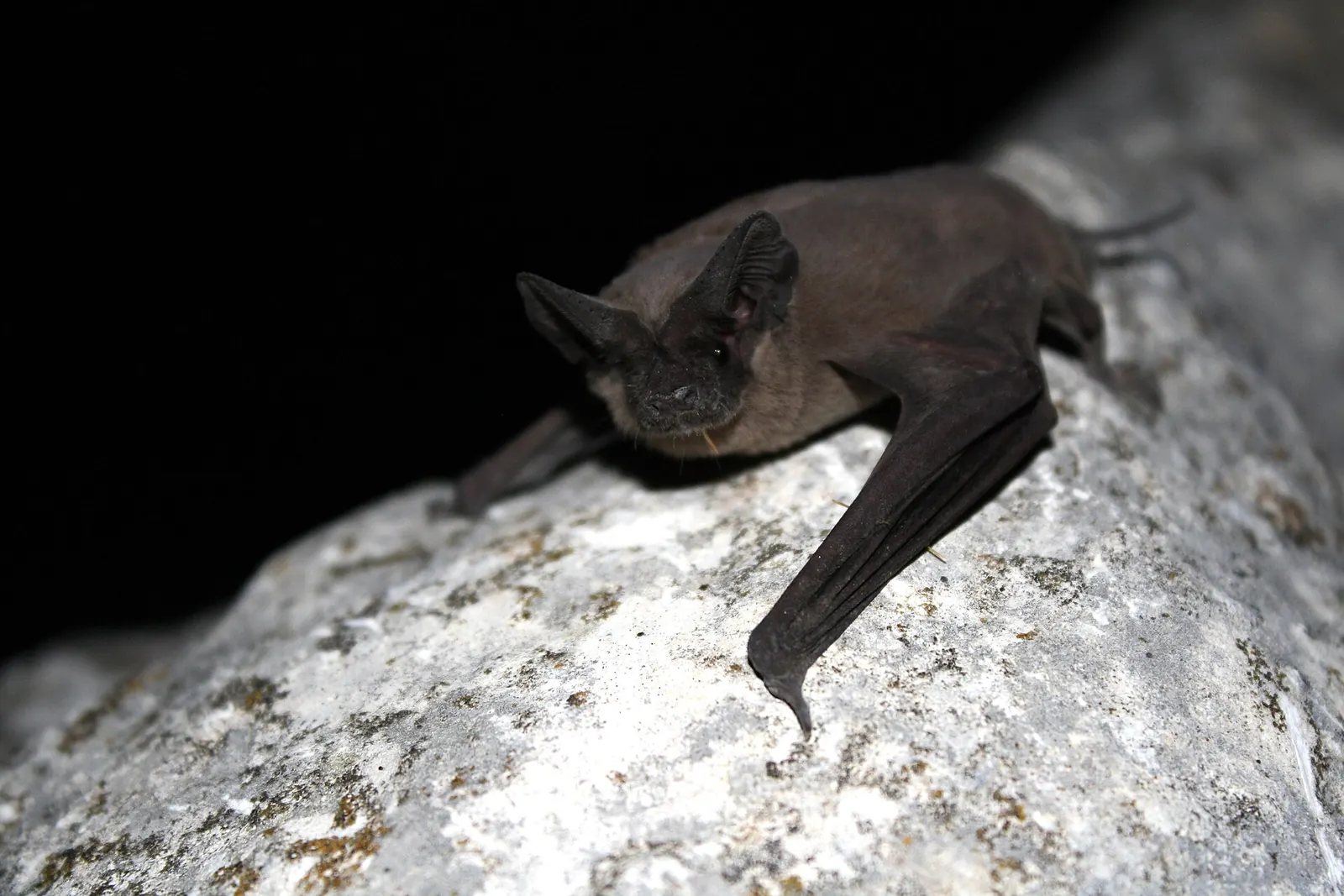
Central Florida’s warm, humid climate and abundant insect supply make it excellent bat habitat, and our buildings offer warm, dry roost sites that mimic the tree hollows and caves bats naturally use. The most common roost-formers in this area are Brazilian (Mexican) free-tailed bats and evening bats. They squeeze through remarkably small gaps — a quarter-inch to half-inch opening at a soffit, fascia, ridge vent, gable end, or chimney is enough. Once a colony establishes, it tends to return year after year, and droppings (guano) accumulate, which is the part that turns a wildlife issue into a home-health and cleanup issue.
What you can and can’t do
- Can: Identify entry points, document activity, and plan an exclusion for after August 14.
- Can: Seal non-entry gaps elsewhere on the house at any time, so you’re ready to close the active openings the moment maternity season ends.
- Can’t: Perform an exclusion on the active roost openings between April 16 and August 14.
- Can’t: Kill, trap, poison, or harm bats — it’s illegal in Florida year-round.
- Can’t: Use repellents or “ultrasonic” gadgets as a substitute for proper exclusion — they don’t reliably work and don’t address the entry points.
How a legal bat exclusion actually works
- Inspection. A licensed operator inspects the attic, roofline, and exterior to find every entry and exit point and confirm it’s bats (not rodents or birds).
- Timing. If it’s maternity season, the exclusion is scheduled for after August 14. Prep work — sealing secondary gaps — can happen sooner.
- One-way devices. Excluders (one-way valves or netting) are installed over active openings so bats can leave to feed but can’t get back in.
- Sealing. After several bat-free nights confirm the colony is out, the openings are permanently sealed.
- Cleanup & sanitation. Guano is removed and the area sanitized. Accumulated guano can harbor the fungus associated with histoplasmosis, so this step is done with proper precautions.
Because exclusion overlaps with attic entry points, it pairs naturally with rodent exclusion work — the same gaps that let bats in often let roof rats in too. For the broader service, see wildlife removal in Lakeland.
Why DIY usually backfires
Bat work is one of the worst DIY pest jobs in Florida, for three reasons. First, the legal exposure: an exclusion done in maternity season, or any action that harms bats, violates state rules. Second, the health risk: disturbing guano without protection can release histoplasmosis spores, and a bat found in a room where someone was sleeping can raise a rabies-exposure question that needs to be handled correctly. Third, the failure rate: miss one entry point and the colony simply re-enters. A licensed operator handles the timing, the FWC-compliant method, and the cleanup as one process.
What bat removal typically costs
Cost depends heavily on the size of the building, how many entry points there are, the height and complexity of the roofline, and how much guano cleanup is involved, so the licensed operator sets the actual price after inspecting. As a broad planning range, professional bat exclusion projects in the Polk County market commonly run from the high hundreds into the low thousands of dollars, with extensive guano remediation adding to that. The licensed operator provides the binding quote after an on-site inspection.
When to act
If you suspect bats now, during maternity season, the right move is not to wait until August — it’s to get an inspection scheduled now so the entry points are mapped and the exclusion is booked for the first legal window. If a single bat gets into a living space, don’t release it or handle it bare-handed; confine it to one room, and contact a professional, especially if there was potential contact with a person or pet. For urgent situations, see emergency pest control.
Working with a licensed Polk County operator
Bat issues sit at the intersection of wildlife law, home repair, and health cleanup — exactly the kind of job worth handing to a licensed professional who handles bat exclusion the legal, humane way. Independent FDACS-licensed operators serve Lakeland, Winter Haven, Bartow, Auburndale and the rest of the county — see our Polk County coverage.
Frequently asked questions
Is it illegal to remove bats in Florida?
It is illegal to kill, trap, or harm bats in Florida at any time, and it is illegal to exclude (seal out) a roost during maternity season, April 16 through August 14, under FWC rules. Outside that window, a humane exclusion using one-way devices is legal and standard.
When can bats be legally removed in Polk County?
Exclusions can be performed outside maternity season — generally after August 14 and before April 16. During maternity season, an operator can inspect and plan, but cannot seal the active openings.
Are bats in the attic dangerous?
Bats are beneficial insect-eaters, but accumulated guano can harbor the fungus associated with histoplasmosis, and any direct contact raises a rabies question. Both are reasons to use a licensed operator with proper protection rather than handling it yourself.
How do I keep bats from coming back?
The permanent fix is sealing every entry point after the colony is excluded. Because bats use gaps as small as a quarter inch, a thorough exclusion-and-seal by a professional is what keeps them out long-term.
How much does bat removal cost in Polk County?
It varies with building size, number of entry points, roof complexity, and guano cleanup, so the licensed operator sets the price after an on-site inspection. Projects commonly run from the high hundreds into the low thousands.
Lakeland Exterminators is an informational directory connecting Polk County, Florida residents with structural pest and wildlife control operators licensed by the Florida Department of Agriculture and Consumer Services (FDACS). This site does not perform services, does not hold an FDACS license, and does not apply pesticides or conduct wildlife work. Licensed third-party operators set pricing, scheduling, and terms. Any prices mentioned are general planning ranges only, and bat-related rules should be confirmed against current FWC regulations.
Disclaimer: Lakeland Exterminators is a local dispatch and referral service, not a licensed pest-control operator. We connect Polk County, Florida homeowners with independent, FDACS-licensed and insured pest-control companies. All inspections and treatments are performed by those independent providers, who set their own pricing, scheduling, and service terms.
Any reference to same-day, emergency, or 24/7 service describes the typical scheduling of matched independent providers and is not guaranteed; actual response times vary by provider, season, location, and demand.