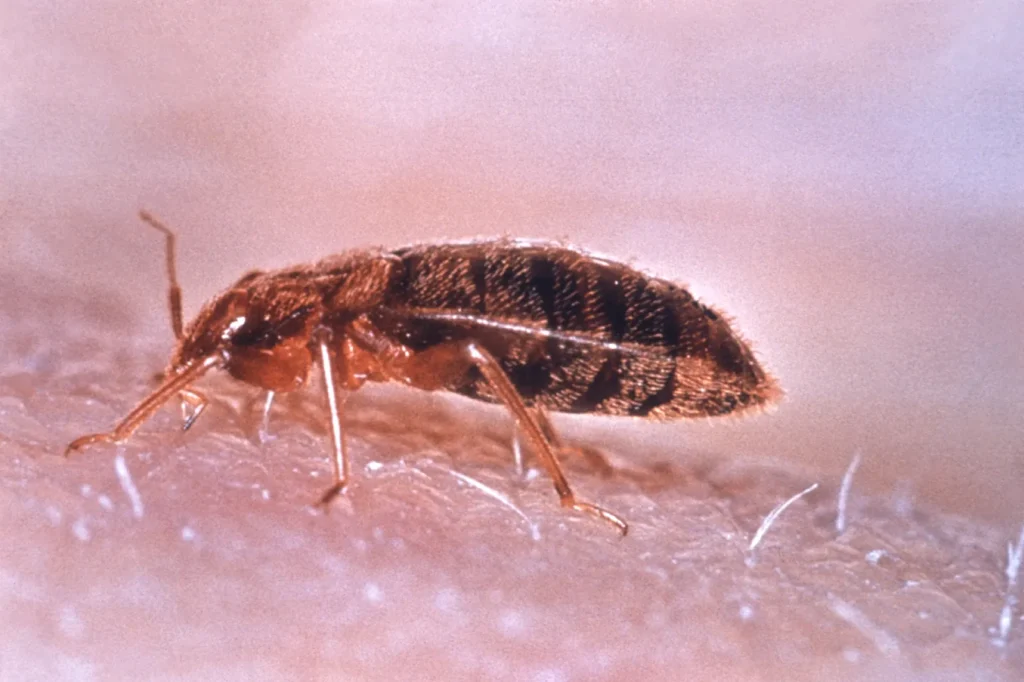
Heat vs. chemical bed bug treatment in Lakeland comes down to four variables: timeline, budget, item-sensitivity, and infestation extent. Heat (whole-structure thermal remediation) clears bed bug populations including eggs in a single 4–8 hour visit; chemical (an integrated liquid + dust + steam + encasement program) clears the same populations across two or three service visits over 30–45 days. Heat costs more per square foot; chemical costs less but demands stricter homeowner prep and a longer clearance window. Both methods, applied correctly by an FDACS-licensed Polk County operator, can eliminate established bed bug infestations. Bed bug treatment in Lakeland is performed by independent, FDACS-licensed pest-control companies.
Dealing with a pest problem right now?
📞 Call now — get matched with a licensed local exterminator: (888) 295-0220When you call, stay on the line for a few seconds while we match you with the licensed local exterminator for your area. Have your address and a quick description of the problem ready.
Licensed local pros · Fast response, subject to availability · No obligation
What heat treatment actually does
Whole-structure heat raises the ambient air temperature inside the affected rooms (often the entire home) to 135–145°F and holds the core temperature of mattresses, box springs, headboards, baseboards, and adjacent furniture above 120°F for at least 90 minutes. Bed bugs and their eggs die above 119°F within an hour, so a properly executed heat cycle kills every life stage in a single visit. The operator uses propane-fired or electric resistance heaters with industrial fans for air circulation and places remote thermocouples in cold spots (under furniture, inside drawers, behind headboards) to confirm lethal temperatures throughout the envelope.
What heat doesn’t do: leave a residual. Once the cycle ends and the home cools, there is no chemistry remaining to kill a reintroduced bed bug carried in on luggage three months later. This is why most Polk County heat protocols include a one-month follow-up monitor and encourage encasements as a long-term defense.
What chemical (integrated) treatment actually does
An integrated chemical program combines four tools across two or three visits at 14-day intervals: a residual liquid (chlorfenapyr/Phantom, imidacloprid+beta-cyfluthrin/Temprid SC, or pyrethroid+pyriproxyfen/Tandem), direct steam at 180–200°F on mattress seams and headboard cracks, desiccant dust (silica gel/Cimexa) puffed into wall voids and behind outlet plates, and Class I medical-grade encasements on the mattress and box spring. The 14-day visit cadence matches the bed bug egg-to-adult timeline so any survivors hatching from missed eggs are treated before they reproduce.
What chemical does that heat doesn’t: leaves residual. Cimexa dust applied into wall voids and the residual liquid applied as crack-and-crevice keep working for weeks after the operator leaves. That residual is the reason chemical programs typically come with longer warranties — not because the chemistry is more effective, but because the residual provides ongoing kill against reintroductions.
Heat vs. chemical bed bug treatment side-by-side
| Factor | Heat (thermal) | Chemical (integrated) |
|---|---|---|
| Service visits required | 1 (plus 30-day monitor) | 2–3 at 14-day intervals |
| Time to clear infestation | Same day | 30–45 days |
| Cost (whole single-family Polk County home) | Varies by provider | Varies by provider |
| Kills eggs | Yes, in a single cycle | Yes (covered across two visits) |
| Residual protection | None | Weeks to months (dust in voids) |
| Prep effort | Heavy (remove heat-sensitive items) | Moderate (launder, vacuum, declutter) |
| Resistance concern | None — heat is physical, not chemical | Mitigated by modern non-pyrethroid actives |
| Re-occupancy | Same day after cool-down | 2–4 hours after each visit |
| Pet considerations | All pets out for the duration | Pets out during treatment, back when dry |
| Works in heavy clutter | Strong (heat penetrates clutter) | Weaker (chemical contact is line-of-sight) |
| Works in multifamily / shared walls | Strong with adjacent-unit coordination | Requires shared-wall void treatments |
What heat-sensitive items must be removed for a Polk County heat treatment
- All aerosol cans (paint, cooking spray, hair products, repellents)
- Candles, crayons, lip balm, and other meltable items
- Ammunition and fireworks
- Houseplants and pets (including aquariums)
- Fresh and refrigerated produce
- Most prescription medications
- Vinyl records, magnetic media (old VHS, audio cassettes)
- Wax-sealed wine bottles, soft cheeses, chocolate
- Some electronics per the specific operator’s protocol — verify the exclusion list before the day of service
For everything else — clothing, mattresses, furniture, books, most electronics, hardwood floors, drywall, standard home construction — properly executed heat in the 130–145°F range causes no damage. The damage cases that show up in news articles overwhelmingly trace to unmonitored DIY heat attempts or to operators who didn’t follow protocol; they don’t trace to professionally executed Polk County heat work.
When the answer is neither heat nor chemical alone
For heavy infestations, multi-unit buildings, or homes where the homeowner can’t fully prep, the right answer is sometimes a hybrid: heat-plus-encasements-plus-dust, or chemical-plus-Cryonite-on-electronics. Discuss the scenario with the operator at the inspection visit. The single most consequential decision is not heat vs. chemical — it’s whether the prep gets done correctly and whether the operator is licensed and equipped for either method. For the full prep checklist and the deeper coverage of both methods see the bed bug treatment in Lakeland complete guide and the bed bug treatment service page.
Heat vs. chemical for Polk County rentals and short-term rentals
For short-term-rental operators in Lakeland, Winter Haven, and the Disney–orbit Davenport / Haines City / Polk City corridor, heat is usually preferable: a same-day clearance turns a unit back over for booking faster than a 30–45-day chemical program, the absence of chemical residue avoids guest sensitivity concerns, and heat penetrates the heavy soft goods (decorative pillows, throws, sleeper sofas, bunk beds) that short-term rentals stock heavily. For long-term rentals with cooperative tenants, chemical programs are often the more economical fit. Multifamily property management companies in Polk County typically write a hybrid spec that defaults to chemical and escalates to heat when an active unit isn’t responding.
FAQ — heat vs. chemical bed bug treatment in Lakeland
Is heat more effective than chemical?
Both methods, properly executed, clear an established bed bug infestation. Heat is faster (single day) and avoids resistance concerns entirely because it’s a physical mechanism. Chemical leaves residual that continues to kill reintroductions for weeks. “More effective” depends on what’s being measured — speed favors heat; residual protection favors chemical.
Can I combine heat and chemical?
Yes, and many heavy infestations get exactly that — a heat cycle to drop the population to zero immediately, followed by Cimexa dust in wall voids and encasements on the bedding to handle reintroductions. Discuss the option with the operator if the situation warrants.
How long after heat treatment can I re-enter my home?
Immediately after the home cools to safe temperature — typically 1–3 hours after the heaters are turned off and the home is ventilated. No re-entry interval is required because there is no chemical residue.
Are the chemicals used in conventional bed bug treatment safe?
The modern actives used in Polk County bed bug programs (chlorfenapyr, neonicotinoid+pyrethroid combinations, IGR combinations) are EPA-registered for indoor residential use at the labeled rates and applied as crack-and-crevice and void treatments — not broadcast over sleeping surfaces. Pets and people stay out until the product dries (typically 2–4 hours). The University of Florida IFAS Extension publishes Florida-specific guidance.
How do I find a Lakeland bed bug operator who does both heat and chemical?
Bed bug treatment in Lakeland is performed by independent, FDACS-licensed pest-control companies. When you engage one, confirm at the inspection visit that they hold a current Pest Control Business License and have a Category 8B or 8A certified operator on staff.
Disclaimer: Lakeland Exterminators is a local dispatch and referral service, not a licensed pest-control operator. We connect Polk County, Florida homeowners with independent, FDACS-licensed and insured pest-control companies. All inspections and treatments are performed by those independent providers, who set their own pricing, scheduling, and service terms.
Any reference to same-day, emergency, or 24/7 service describes the typical scheduling of matched independent providers and is not guaranteed; actual response times vary by provider, season, location, and demand.