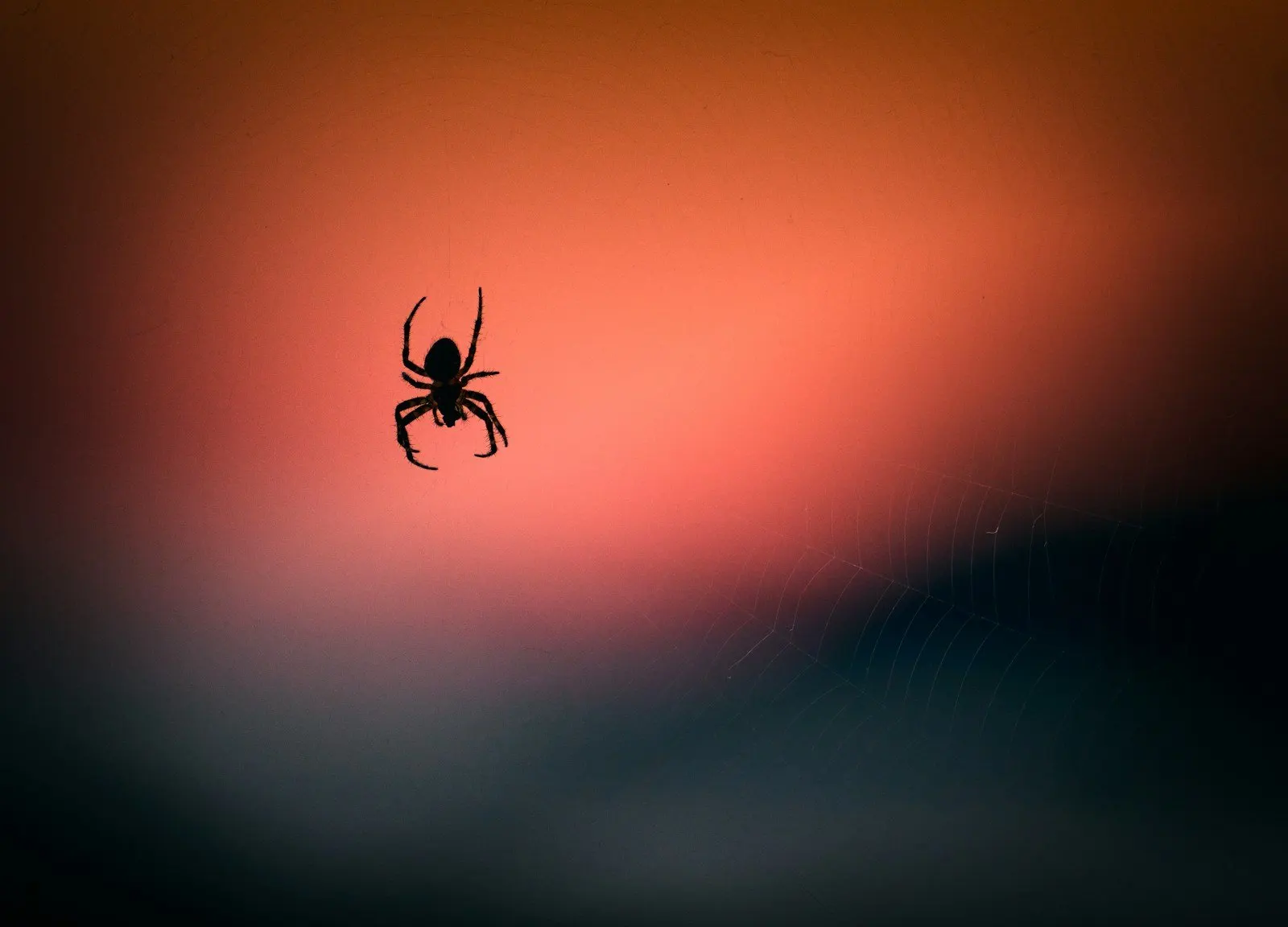
Widow under the patio chair? Webs owning the pool cage? Get a licensed spider pro on the phone.
One call reaches a licensed, local exterminator who covers your address — and a real person answers, 24/7.
Talk to a licensed exterminator now
Call and we’ll connect you with a licensed, local exterminator who covers your address. It takes about two minutes, and a real person answers.
Free to call. Free to get matched. The licensed operator gives the quote.
24/7 line · A real person answers · Availability of same-day and emergency service depends on the provider.
First: which spider are you actually looking at?
Species ID decides everything — whether it is a medical concern, whether treatment is even warranted, and what the licensed operator will actually do. Here is the honest Polk County lineup.
Brown widow — the one you will actually find
Latrodectus geometricus. Tan-to-brown with an orange hourglass and a spiky, mottled egg sac that looks like a tiny naval mine — the egg sac is the giveaway. Loves pool cage tracks, patio furniture undersides, meter boxes and garage clutter. Venomous but less aggressive and less medically serious than black widows; bites are rare.
Southern black widow — rarer, more serious
Latrodectus mactans. Glossy black, red hourglass, messy low web in undisturbed corners — wood piles, water meter pits, shed corners. Medically significant bite; if you are confident it is a black widow, that is a call-today situation for a home with kids or pets.
Wolf spiders & huntsman — scary, harmless
The big fast ones on the baseboard at night. No webs, no colonies — they hunt the insects your house is offering. Their presence is a signal about the prey base, which is exactly what perimeter treatment addresses.
Brown recluse — mostly a misdiagnosis here
Straight talk: established brown recluse populations are not native to peninsular Florida, and most “recluse” sightings in Polk County are wolf spiders or huntsman. It is worth a photo before you panic — and the operator will give you an honest ID.
Found an egg sac with spikes on it? That is a brown widow nursery.
One call reaches a licensed, local exterminator who covers your address — and a real person answers, 24/7.
Free to call. Free to get matched. The licensed operator gives the quote.
Why spider control is really prey-base control
Spiders go where the food is
A spider population is a symptom of an insect population. Lakeland’s lake-fed humidity keeps the prey base — midges, moths, roaches, crickets — running twelve months a year, and porch lights concentrate it nightly. That is why spraying a web and walking away fails: the web owner is replaced within weeks if the buffet stays open. The licensed operator’s program hits the drivers — exterior perimeter treatment to knock down the prey base, de-webbing on a schedule, lighting advice (warm-spectrum bulbs draw dramatically fewer insects), and harborage cleanup.
The brown widow takeover
Over the last two decades brown widows have displaced black widows across most of urban central Florida — they breed faster, tolerate disturbance better, and love exactly the structures Polk County yards are full of: screened pool enclosures, patio furniture, playground equipment, meter and valve boxes, garage door tracks. A single female’s spiky egg sacs (she will guard several at once) are the fastest confirmation you have widows and not harmless orb weavers.
Where the operator will look
Pool cage rails and corner gussets, under every piece of outdoor furniture, weep holes, meter boxes, garage clutter lines, shed eaves, wood piles and the kids’ play set. If you have a pool cage in Lakeland, assume brown widows are on the maintenance list permanently — the win is keeping counts near zero, not pretending one treatment ends it forever.
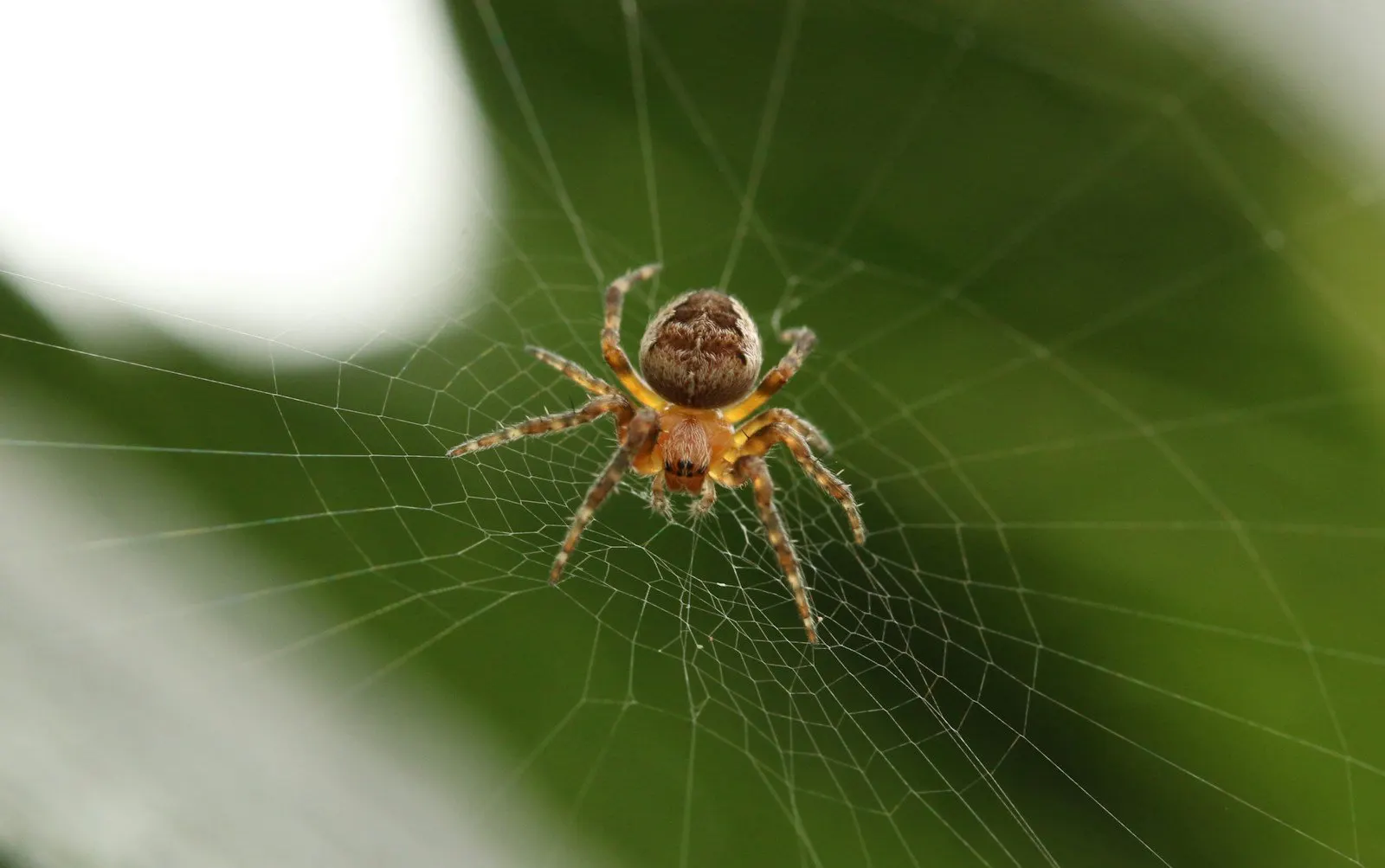
How the spider dispatch works
Straight up: Lakeland Exterminators is a dispatch and matching service, not a licensed pest control operator. Here is the exact path your call takes.
Describe what you found
Where the webs are, what the spider looks like, whether you saw the spiky egg sac — a photo helps the ID. A real person answers around the clock.
Your address picks the operator
The call routes to an FDACS-licensed operator covering your part of Polk County — Lakeland, Winter Haven, Bartow, the Ridge, all of it.
Licensed inspection on site
The operator confirms the species, maps harborage and prey drivers, and writes the quote. Pricing comes from them, never from us.
Treatment stays with the pro
Perimeter program, de-webbing schedule, any recurring plan — all owned by the licensed operator under Chapter 482, Florida Statutes.
Verify before you hire — any Florida pest control company’s license status is public at the FDACS license search. Check the operator you are matched with; the good ones expect it.
Related guides: brown widow deep dive · roach control (a major prey driver) · what pest control costs.
Lakeland spider questions, answered straight
Are brown widow bites dangerous?
Less than black widows — brown widow venom is potent but they inject little and bite reluctantly, so most confirmed bites produce local pain rather than systemic illness. Treat any suspected widow bite with medical respect, especially for children, but do not let internet horror stories set your risk math. The bigger household issue is population growth around high-touch areas like furniture and pool cages.
Can I just knock the webs down myself?
You can and should — with gloves — but de-webbing alone is mowing the lawn, not fixing the yard. Widows rebuild overnight and egg sacs survive the broom. A licensed program pairs de-webbing with prey-base perimeter treatment and egg-sac removal, which is what actually drops counts.
What does spider control cost in Lakeland?
Set by the licensed operator after inspection — structure size, cage footprint, severity and plan cadence move the number. We do not set or publish prices. The cost guide explains recurring-plan pricing honestly.
Why do the spiders come back every summer?
Because the prey base does. Lake-region humidity plus porch lighting equals a year-round insect buffet, and every vacant web gets a new tenant. Homes on recurring exterior programs stay near zero; one-off treatments buy a quiet season at best.
I think it is a brown recluse — now what?
Photograph it (safely) before anything else. Established recluse populations are not native to peninsular Florida and the lookalikes are numerous, so an honest ID matters — both for your peace of mind and for the treatment plan. Bring the photo up on the call and the operator will confirm on inspection.
One number. Real spider coverage. The line answers now.
Free to call. Free to get matched. The licensed operator gives the quote.
Free to call. Free to get matched. The licensed operator gives the quote.
Related Polk County identification guides
Identification first: the two arachnids Polk County residents most often need to tell apart from harmless look-alikes.
- Brown widow vs. black widow in Polk County — a Lakeland ID guide covering markings, egg sacs and where each one builds
- Florida bark scorpion in Polk County — identification, harborage and where they turn up indoors
Disclosure
Lakeland Exterminators is a dispatch and matching service. We connect Polk County callers with FDACS-licensed structural pest control operators. We are not a licensed pest control operator. We do not perform pest control work, set prices, issue warranties, or carry pest control trade insurance. All pricing, scheduling, treatment plans, warranties and service terms are determined by the FDACS-licensed operator dispatched to your address under Chapter 482, Florida Statutes.
Same-day and 24/7 emergency services are subject to provider participation, location, technician availability, and demand. Availability is not guaranteed and may vary by market and appointment capacity.
License status of any operator you connect with is publicly verifiable at the FDACS license search.