Miami’s worst mosquito breeds in a bottle cap. That’s the fight — and it’s winnable yard by yard.
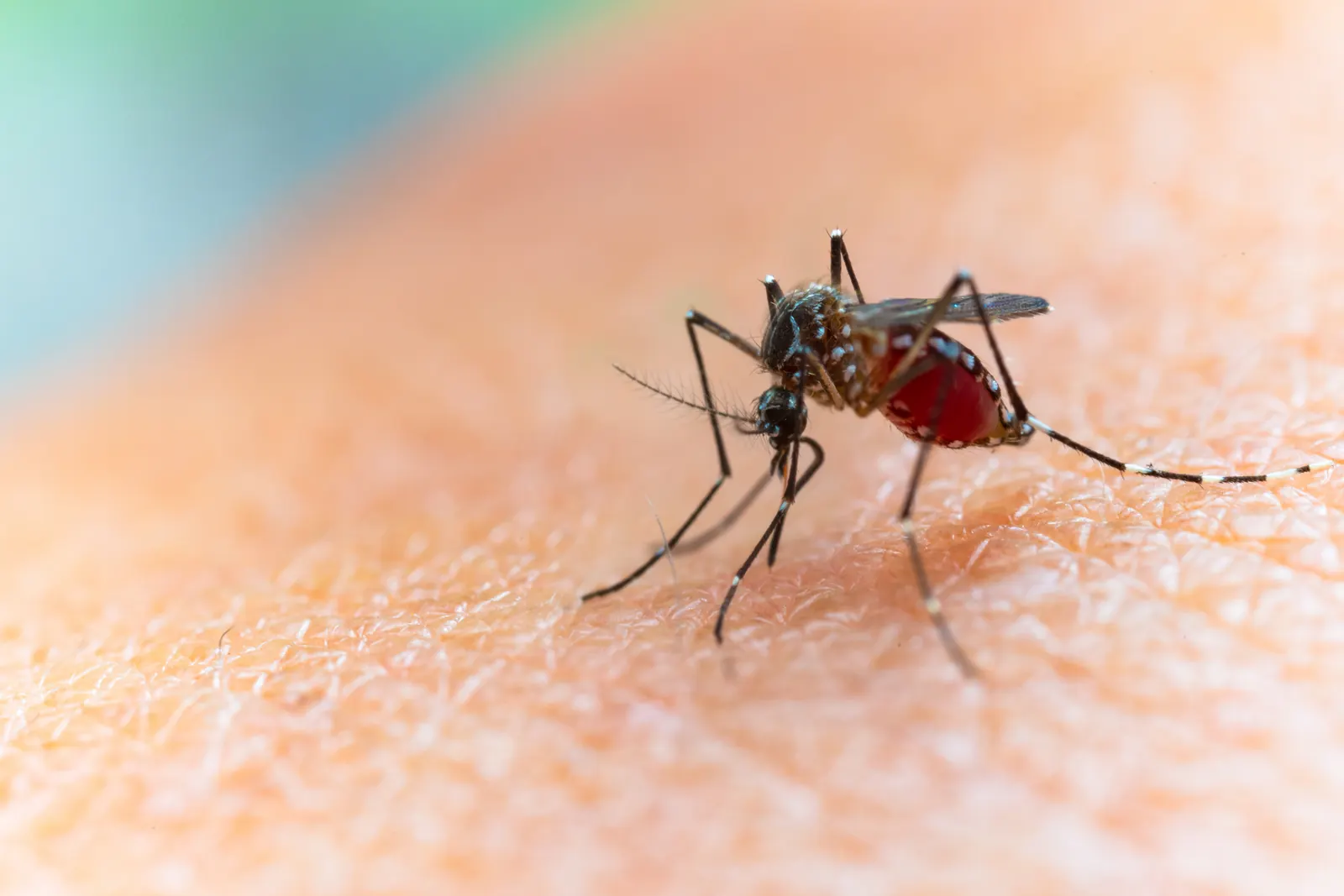
Aedes aegypti — the yellow fever mosquito — is Miami’s signature biter: a daytime ankle-hunter that lives its whole life within a few hundred feet of the container it hatched from. Bromeliad cups, plant saucers, drain plates, boat covers, the five-gallon bucket behind the shed — that’s its nursery, which is why Miami-Dade’s public mosquito program fights it at the disease-vector level while your patio stays bitten. The county handles the epidemiology; a yard program handles your yard. The dispatch line matches you with FDACS-licensed operators who run source-elimination-first mosquito programs across Miami — in the one climate where the season genuinely never ends.
Talk to a live dispatch coordinator now
Daytime bites at the ankles, a backyard you can’t use, a bromeliad bed you love and mosquitoes love more — describe it and get routed to a licensed Miami mosquito operator.
(863) 445-9190Tap to call — 24/7 dispatch
Free to call. Free to get matched. The licensed operator you’re matched with gives the quote.
24/7 line · A real person answers · Availability of same-day and emergency service depends on the provider.
Need mosquito control in Miami, FL? Call (863) 445-9190 and a dispatch coordinator matches you with an FDACS-licensed operator serving your Miami-Dade ZIP — container-source audits, barrier treatments for resting vegetation, larvicide programs and event knockdowns, on a year-round cadence. Lakeland Exterminators is a dispatch service: the licensed local operator audits the yard and quotes the program.
Why is Aedes aegypti a different fight from every other mosquito?
Because it evolved to live with people. Aedes aegypti barely uses the marshes and retention ponds that breed Miami’s nuisance saltmarsh and Culex species — it wants small, clean, artificial water within flying distance of human skin. It bites in daylight (peak activity morning and late afternoon, exactly when kids are outside), rests indoors and under leaf cover, and lays eggs at the waterline of containers — eggs that survive dry for months and hatch when the next rain refills the cup. That biology defeats fogging-first strategies: you can kill every adult in the yard Tuesday and be re-stocked by Friday from eggs you never found. It also explains Miami’s public-health stakes — aegypti is the vector for dengue and Zika, and local transmission episodes are why Miami-Dade runs one of the most sophisticated urban mosquito programs in the country.
The yard program that works here is source warfare with chemical support, not the reverse. Visit one is a container census: every saucer, tarp fold, gutter low spot, AC drip line, boat cover and bromeliad bed, each one dumped, drilled, screened, flipped or treated. Bromeliads — beloved in Miami landscaping and functionally a mosquito condo tower — get flushed on schedule or treated with a bacterial larvicide (Bti) that kills larvae and nothing else. Then the barrier layer: residual application to the shaded resting surfaces — hedge interiors, under-deck framing, dense ground cover — reapplied on a monthly-or-tighter cycle because Miami sun and rain eat residuals fast. Year-round, because Miami’s coolest month still breeds mosquitoes.
Where is mosquito pressure worst around Miami?
- Shenandoah, Coral Way & the Roads (33129, 33133, 33145): mature gardens, bromeliad beds and shaded yards — classic aegypti container habitat.
- Coconut Grove (33133): canopy shade plus lush landscaping — resting habitat and micro-water everywhere.
- Little Havana & Allapattah (33125, 33127, 33135): dense housing with shared yards — container turnover needs neighbor-scale cooperation.
- Kendall & Westchester (33155, 33165, 33173, 33176): irrigated suburban lots, kiddie pools and drainage swales — mixed Aedes and Culex pressure.
- Miami Shores & Upper Eastside (33137, 33138, 33150): older gutters and garden architecture — audit-driven wins.
- Waterfront and canal streets metro-wide: saltmarsh and Culex background the county manages — your yard program handles the container layer on top.
What should a Miami yard program promise — and refuse to promise?
Promise: a documented source audit with specific fixes (this saucer gone, this gutter pitched, these bromeliads on a flush schedule), barrier treatments on a stated re-application cycle, Bti larvicide in water that stays, and honest targeting — daytime ankle bites mean Aedes and container work; dusk swarms off the swale mean Culex and larvicide-plus-timing. Refuse: anybody promising zero mosquitoes in Miami (the county itself doesn’t promise that), and any program that’s pure fogging with no source work — that’s a subscription to killing this week’s adults while next week’s hatch matures. Ask one revealing question: “What will you do about my bromeliads?” An operator with a real answer — flush cadence, Bti granules, which plants hold water — works Miami yards. An operator who says “we’ll spray them” is renting you a fog machine.
Call the line
Tap (863) 445-9190 any hour. Describe when the biting happens and your Miami-Dade ZIP.
Get matched by pattern
Daytime-bite calls route to container-audit operators; event and dusk-pressure calls route to barrier-and-larvicide programs.
A licensed operator takes over
An independent, FDACS-licensed and insured Miami operator audits, treats, and quotes the cadence. No obligation — the dispatch call costs nothing.
Ankle bites at 10 a.m.? Backyard surrendered by 5?
The line answers 24/7 and matches you with a licensed Miami mosquito operator.
One tap. One call. Matched.
(863) 445-9190Tap to call — 24/7 dispatch
Free to call. The licensed operator gives the quote.
Miami mosquito control questions, answered straight
Doesn’t Miami-Dade County already handle mosquitoes?
Why do mosquitoes bite me during the day here?
Do I have to give up my bromeliads?
What does mosquito control cost in Miami?
Disclosure
Lakeland Exterminators is a pest control dispatch and referral service, not a licensed pest control operator. All mosquito inspections, quotes and treatments in Miami are performed by independent pest control operators licensed by the Florida Department of Agriculture and Consumer Services (FDACS) and insured in their own name. Calling the dispatch line is free and creates no obligation; the licensed local operator you’re matched with sets their own pricing and terms.
More Miami help: Pest control in Miami, Roach control in Miami, Termite treatment in Miami · All pest control services