In Miami, a roach problem is rarely just your problem. Shared walls made sure of that.
Miami runs the densest kitchen economy in Florida — thousands of restaurants, tens of thousands of multifamily units, and a delivery-and-turnover rhythm that moves German cockroaches from building to building in produce boxes and moving vans. In the condo towers of Brickell and Edgewater, the walk-ups of Little Havana and the garden apartments of Kendall, one untreated unit quietly re-seeds every neighbor that shares a pipe chase. Meanwhile the American cockroach — the palmetto bug — owns the city’s storm drains and sewer laterals and surfaces through floor drains and bath traps every rainy-season night. The dispatch line matches you with FDACS-licensed operators who treat Miami roach problems at the scale they actually operate: the building, not just the sighting.
Talk to a live dispatch coordinator now
Roaches in a Brickell galley kitchen, droppings in a Little Havana pantry, palmetto bugs up the shower drain in Westchester — describe it and get routed to a licensed Miami roach operator.
(863) 445-9190Tap to call — 24/7 dispatch
Free to call. Free to get matched. The licensed operator you’re matched with gives the quote.
24/7 line · A real person answers · Availability of same-day and emergency service depends on the provider.
Need roach control in Miami, FL? Call (863) 445-9190 and a dispatch coordinator matches you with an FDACS-licensed operator serving your Miami-Dade ZIP — German roach cleanouts for units, homes and commercial kitchens, building-coordinated programs for multifamily, and drain-line palmetto bug exclusion. Lakeland Exterminators is a dispatch service: the licensed local operator inspects, identifies the species, and quotes the treatment.
Why do Miami units get re-infested after treatment?
Because German roaches don’t respect unit boundaries. Populations move through the building’s circulatory system — plumbing chases, electrical conduit, trash rooms, shared laundry — and they move toward fresh harborage when a neighboring unit gets treated. Treat apartment 4B alone and 4A’s population backfills it within weeks. Effective multifamily work is coordinated: the treated unit gets the full cleanout (harborage mapping, crack-and-crevice baiting, growth regulators, vacuum removal of heavy pockets), while adjacent units get inspected and at minimum monitored, and building sanitation choke points — trash chutes, compactor rooms — get addressed with management. Renters aren’t powerless here: Florida landlord-tenant law generally puts extermination on the landlord unless the lease shifts it, and a licensed operator’s written findings turn a complaint into a case.
The palmetto bug problem is a different machine. Miami’s American cockroaches breed in the storm and sanitary infrastructure under the city and in the palm boots, tree holes and irrigation boxes above it; on humid nights — and after heavy rain pushes them out of flooded lines — they enter structures through floor drains, dry P-traps, weep holes and door gaps. Baiting indoors barely touches that supply line. What works is exclusion and interception: screened drains and weep holes, door sweeps, dry traps kept wet (a cup of water down an unused shower monthly), dehumidified under-sink zones, and a perimeter program at the entry architecture. An operator who asks about your drains before quoting understands the city.
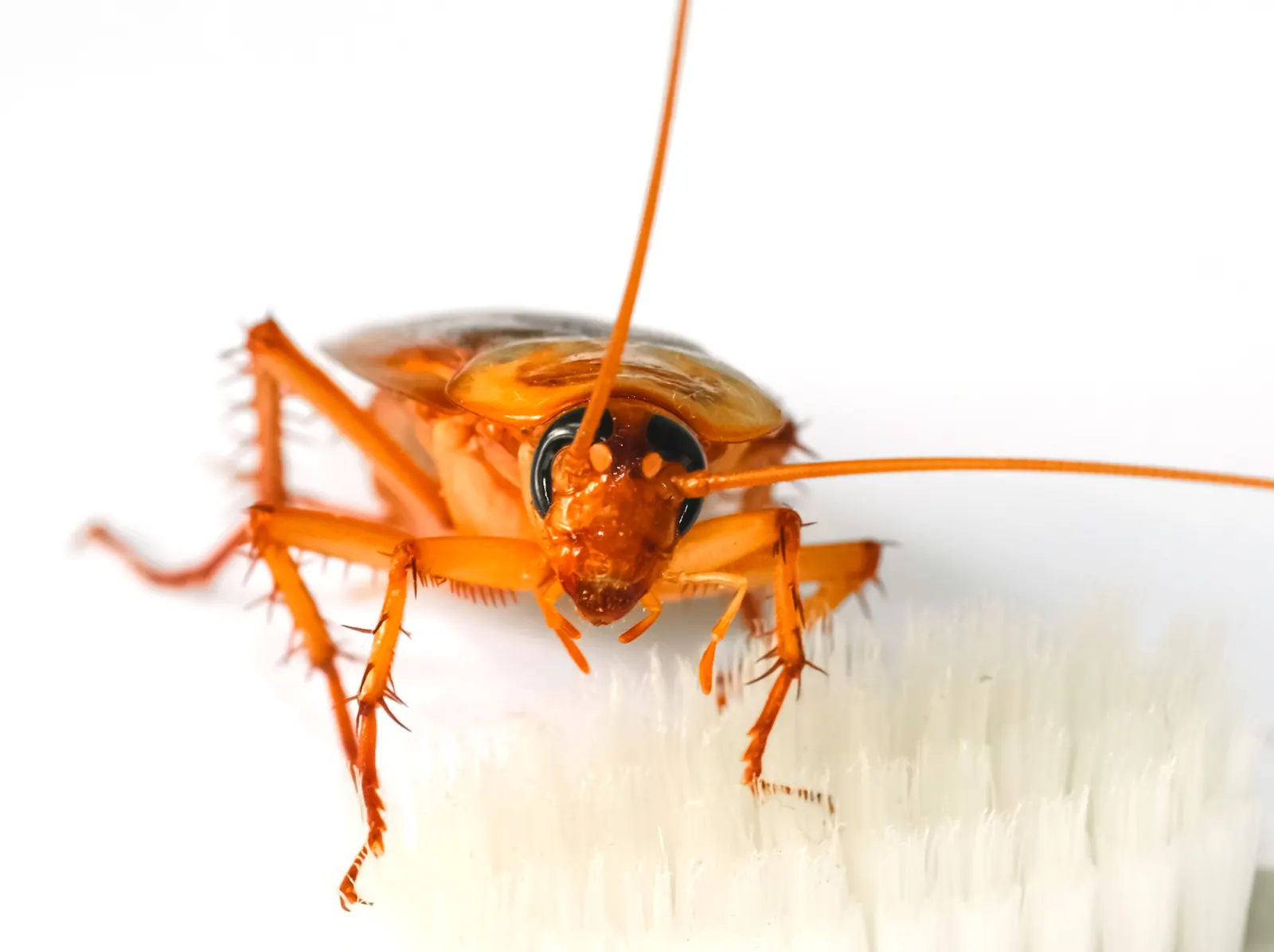
Where does roach pressure concentrate in Miami?
- Little Havana & Allapattah (33125, 33127, 33135): dense older multifamily — the classic shared-wall German roach dynamic.
- Brickell & Edgewater towers (33129, 33131, 33137): high-rise logistics — trash chutes, riser chases and delivery-borne introductions.
- Kendall & Westchester (33155, 33165, 33173, 33176): garden apartments plus slab-era homes with palmetto bug drain pressure.
- Wynwood, Upper Eastside & restaurant rows (33127, 33137, 33138): commercial kitchen density — discreet, documentation-ready programs.
- Shenandoah & Coral Way (33129, 33133, 33145): older plumbing, mature canopy and rainy-season palmetto surges.
- Homestead-adjacent south metro (33157, 33176, 33186): suburban slab homes — garage and water-heater-closet harborages.
What does a Miami roach cleanout include — and what should you refuse?
Include: species confirmation (a German roach kitchen and a palmetto bug bathroom are different jobs), glue-monitor mapping before and after, targeted gel baiting in rotation-aware formulations (Miami populations include glucose-averse lines that refuse standard sweet baits), insect growth regulators to cut the nymph pipeline, and a scheduled follow-up — egg cases hatch on their own calendar, and the second visit is where cleanouts are won. For commercial kitchens: after-hours scheduling, sanitation reporting you can show an inspector, and monitor logs. Refuse: baseboard-spray-only service (it scatters German roaches deeper and contaminates bait placements), fog bombs (same problem, whole-apartment scale), and any program that can’t explain what happens in the units or rooms next to yours. In this city, the treatment radius has to match the roach’s travel radius.
Call the line
Tap (863) 445-9190 any hour. Describe the roach, the building type and your Miami-Dade ZIP.
Get matched by building
Multifamily and condo calls route to building-coordination operators; homes route to cleanout specialists; kitchens route to commercial-capable crews.
A licensed operator takes over
An independent, FDACS-licensed and insured Miami operator inspects, confirms species, and quotes. No obligation — the dispatch call costs nothing.
Roaches back a month after the last company “handled it”?
The line answers 24/7 and matches you with a licensed Miami roach operator.
One tap. One call. Matched.
(863) 445-9190Tap to call — 24/7 dispatch
Free to call. The licensed operator gives the quote.
Miami roach control questions, answered straight
Palmetto bugs keep coming up my shower drain. Is that a plumbing problem or a pest problem?
My condo association sprays monthly but my unit still has roaches. Why?
How do I keep roaches out of a Miami restaurant kitchen between services?
What does roach control cost in Miami?
Disclosure
Lakeland Exterminators is a pest control dispatch and referral service, not a licensed pest control operator. All roach inspections, quotes and treatments in Miami are performed by independent pest control operators licensed by the Florida Department of Agriculture and Consumer Services (FDACS) and insured in their own name. Calling the dispatch line is free and creates no obligation; the licensed local operator you’re matched with sets their own pricing and terms.
More Miami help: Pest control in Miami, Ant control in Miami, Termite treatment in Miami · Roach dispatch guide · All pest control services