Port St. Lucie was engineered around water — swales in every front yard, canals behind every third street. Knowing which water actually breeds mosquitoes is the whole game here.
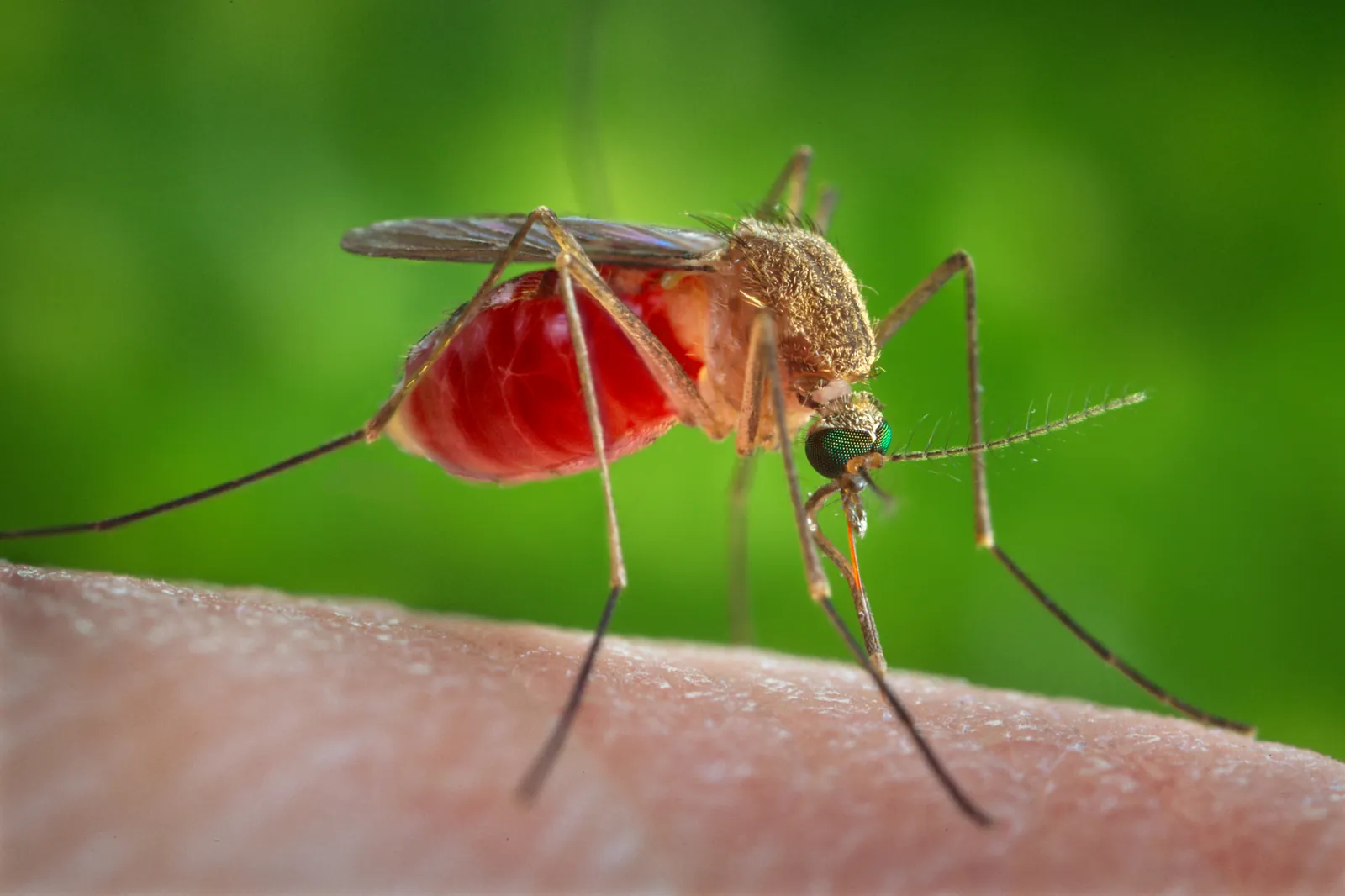
No Florida city makes its drainage more visible than PSL. The General Development-era grid gave nearly every lot a front-yard swale, the C-23 and C-24 canal systems thread the city, and the newer master-planned west side added retention ponds by the hundred. Residents reasonably assume all that water is the reason their backyard is unusable at dusk — and most of the time they are wrong. A swale doing its job drains within about three days; canals move and carry fish; stocked retention ponds eat larvae all day. The mosquitoes biting ankles at a Saturday cookout are overwhelmingly container-bred Aedes from within a hundred yards — usually the homeowner’s own plant saucers, gutters and toys, or the neighbor’s. The dispatch line matches PSL yards with FDACS-licensed operators who read which water is guilty before treating anything.
Talk to a live dispatch coordinator now
Day-biting around the ankles, a swale that never quite dries, a backyard you cannot use after five — describe it and get matched with a licensed operator working Port St. Lucie.
(888) 295-0220Tap to call — 24/7 dispatch
Free to call. Free to get matched. The licensed operator you’re matched with gives the quote.
24/7 line · A real person answers · Availability of same-day and emergency service depends on the provider.
Need mosquito control in Port St. Lucie, FL? Call (888) 295-0220 and a dispatch coordinator matches you with an FDACS-licensed operator serving 34952, 34953, 34983 and 34987 — a source audit of containers, gutters and swale condition, larviciding where water stands, treatment of resting vegetation, and revisit timing pegged to the rain cycle. Lakeland Exterminators is a dispatch service: the licensed local operator inspects, treats and quotes.
Is the swale in the front yard breeding mosquitoes?
Only when it stops being a swale. The design intent is a shallow grass channel that accepts roof and street runoff and percolates it into the sandy soil within about seventy-two hours — too fast for mosquito larvae, which need roughly five days to a week of standing water to complete development. A healthy swale is therefore innocent even when it looks like a pond every afternoon in August. The guilty version is the swale that holds water a week or more: compacted by years of parked cars, clogged at the culvert under the driveway, or graded flat by settling. That standing ribbon becomes a production line for Culex mosquitoes — the evening biters and the region’s West Nile vector. The diagnostic is a rain-free week: if water is still there on day six, the swale itself needs attention (culvert clearing and regrading are city-coordination items) and the water needs larviciding in the meantime. An honest operator will tell you which fix you actually need instead of fogging the yard and moving on.
Which water is actually guilty, zone by zone?
- Original GDC grid (34952, 34953, 34983): the classic pattern — healthy swales innocent, failed swales guilty, and container Aedes in mature landscaping doing most of the daytime biting.
- Canal-backing lots (C-24 corridor): moving canal water is low-risk; the guilty parties are the junk line at the canal bank — buckets, tarps, kayaks and trailer tires holding rain.
- Tradition & the western master-planned side (34987): engineered ponds are stocked and circulating — largely innocent; new-sod irrigation overwatering and builder-grade gutter debris are the usual culprits.
- North Fork St. Lucie River edges: genuine wetland margin with natural breeding — homes here need resting-vegetation treatment and screening discipline more than source hunting.
- Every ZIP: bromeliads, plant saucers, bird baths, clogged gutters and toy bins — the five-item list that produces most of the city’s Aedes, all fixable in an afternoon.
What does a real mosquito program look like on the rain cycle?
Florida’s summer pattern — rain every second or third afternoon — refills every container on a loop, and Aedes eggs laid at the waterline of a dry saucer hatch within minutes of the next refill. Eggs also survive dry for months (egg banking), which is why one dump-out changes nothing. A professional program works the cycle instead of fighting it: a full source audit on the first visit with the homeowner walking along; larviciding with Bti for water that cannot be dumped — bromeliad cups, gutters awaiting cleaning, a swale awaiting regrade — which kills larvae without harming pets, birds or the pond fish; barrier treatment of resting vegetation (hedge undersides, shaded fence lines) where adults wait out the heat; and revisit timing matched to the rain, not the calendar month. What a real program does not promise: eradication next to a river fork, or results from fogging alone — fog knocks down adults for a day and touches nothing in the water. St. Lucie County’s public program works impoundments and truck routes; your yard’s hundred-yard radius is private-side work.
Call the line
Tap (888) 295-0220 any hour. Describe the biting pattern — daytime ankles or dusk swarms — and what water sits near the house.
Get matched to the problem
Source audits, larviciding programs and barrier treatments route to operators who do yard-scale mosquito work — the coordinator matches the right one.
A licensed operator takes over
An independent, FDACS-licensed and insured operator working Port St. Lucie inspects, quotes and treats. No obligation — the dispatch call costs nothing.
Backyard unusable by half past five again?
The line answers 24/7 and matches you with a licensed operator who audits the water before treating the air.
One tap. One call. Matched.
(888) 295-0220Tap to call — 24/7 dispatch
Free to call. The licensed operator gives the quote.
Port St. Lucie mosquito questions, answered straight
Bites during the day around the ankles — which mosquito is that?
Doesn’t the county already spray?
Will treating the yard hurt the fish in the canal or our pond?
What does mosquito control cost in Port St. Lucie?
Disclosure
Lakeland Exterminators is a pest control dispatch and referral service, not a licensed pest control operator. All pest inspections, treatments and quotes in Port St. Lucie are performed by independent pest control operators licensed by the Florida Department of Agriculture and Consumer Services (FDACS) and insured in their own name. Calling the dispatch line is free and creates no obligation; the licensed local operator you’re matched with sets their own pricing and terms.
More Treasure Coast help: Pest control in Port St. Lucie, Port St. Lucie termite treatment, Pest control in Vero Beach · Mosquito dispatch guide · All pest control services