On a peninsula this dense, your mosquito problem is a group project — but your yard is still the biggest contributor you control.
St. Petersburg is Florida’s densest big city on a peninsula wrapped by Tampa Bay — which gives it a two-front mosquito war. From the bay fringes and mangrove edges come wind-blown salt-marsh mosquitoes after flood tides; from the alley-grid neighborhoods comes the daily grind of container-breeding Aedes, hatched in rain barrels, bromeliads, gutters and plant saucers — and on lots this close together, a single neglected yard supplies bites to half the block. Pinellas County’s mosquito control handles the marsh front. The dispatch line matches you with FDACS-licensed operators who handle yours: find the sources, larvicide what stays wet, and barrier-treat the shade where adults rest.
Talk to a live dispatch coordinator now
Day-biting at the ankles, dusk swarms in the backyard, a porch you’ve surrendered by 6 p.m. — describe it and get routed to a licensed St. Petersburg mosquito operator.
(863) 445-9190Tap to call — 24/7 dispatch
Free to call. Free to get matched. The licensed operator you’re matched with gives the quote.
24/7 line · A real person answers · Availability of same-day and emergency service depends on the provider.
Need mosquito control in St. Petersburg, FL? Call (863) 445-9190 and a dispatch coordinator matches you with an FDACS-licensed operator serving your St. Pete ZIP — walked source inspections, Bti larviciding, barrier treatments on resting foliage and recurring rainy-season programs. Lakeland Exterminators is a dispatch service: the licensed local operator inspects, finds the sources, and quotes the program.
Why does density change the mosquito math in St. Pete?
Because Aedes aegypti flies about as far as you can throw a frisbee. On a quarter-acre-lot suburb, a breeding site mostly torments its own household. On St. Pete’s compact grid — 40-foot lots, shared alleys, garden apartments — one clogged gutter in Kenwood or one abandoned kiddie pool behind a Crescent Lake rental sits within flight range of a dozen homes. That cuts both ways: your diligent container audit can be undone by the neighbor’s rain barrel, and one treated block can genuinely drop its bite rate when two or three households coordinate. Licensed operators lean into this — a good walk-through doesn’t stop at your property line visually, and many will tell you exactly which direction the pressure is coming from based on where they find resting adults.
The 2024 storm surge added a legacy: flooded structures and abandoned pools in the hardest-hit blocks of Shore Acres and the coastal south side became season-long production sites while repairs dragged. An unmaintained “green” pool breeds thousands of mosquitoes a week; if one sits near you, report it to the county and tell your operator — larviciding a neighbor problem is often easier than out-treating it.
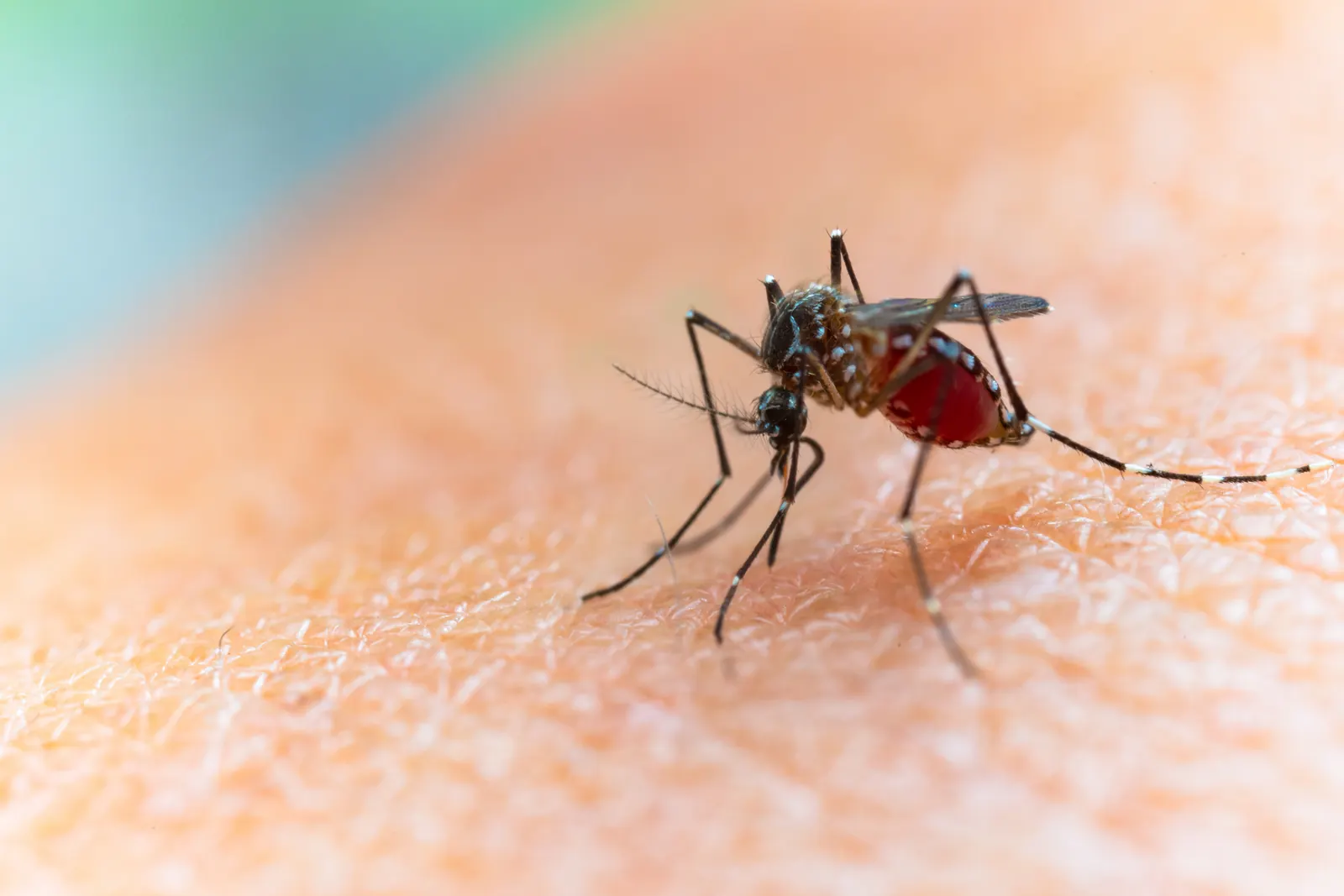
Where does mosquito pressure concentrate in St. Petersburg?
- Old Northeast & Crescent Lake (33701, 33704): canopy shade, older gutters and dense gardens — breeding sites overhead and resting habitat everywhere.
- Kenwood & Central Oak Park (33710, 33713): alley-grid density — block-level coordination pays fastest here.
- Shore Acres & Snell Isle (33703, 33704): flood-legacy standing water, mangrove fringe drift after high tides.
- Coquina Key & Pinellas Point (33705, 33712): bayfront salt-marsh pressure layered over yard containers.
- Gulfport edge & south side (33707, 33711): mixed maintenance levels lot to lot — the classic “one yard supplies the street” pattern.
- Downtown & EDGE district (33701, 33712): construction sites, rooftop planters and courtyard fountains — temporary water that outlasts the permit.
What does a program built for a peninsula city include?
Three layers. Source work: the walked audit — gutters, barrels (screen every inlet), bromeliads (flush or Bti), saucers, toys, boat and pool covers, French drains — repeated because rainy-season St. Pete refills everything weekly. Larviciding: Bti in whatever must hold water; it kills larvae for weeks and spares the pollinators, anoles and birds a healthy garden depends on. Adult control: residual barrier on foliage undersides — crotons, viburnum, jasmine-covered fences, under-deck framing — where adults shelter from sun and wind, re-applied on the rain cycle June through October. What it doesn’t include: promises about tide-driven salt-marsh swarms (county work, wind-delivered, honest operators say so) or timer misting systems that dose pollinators around the clock. Ask where the larvae are; a good operator answers with specific locations in your yard.
Call the line
Tap (863) 445-9190 any hour. Describe the bite pattern, your block, and your St. Pete ZIP.
Get matched by job type
Backyard programs route to larvicide-plus-barrier operators; event dates, rentals and multifamily courtyards route to providers who work those settings.
A licensed operator takes over
An independent, FDACS-licensed and insured St. Petersburg operator walks the property, finds the sources, and quotes. No obligation — the dispatch call costs nothing.
Backyard surrendered by dusk? Ankles bitten at brunch?
The line answers 24/7 and matches you with a licensed St. Petersburg mosquito operator.
One tap. One call. Matched.
(863) 445-9190Tap to call — 24/7 dispatch
Free to call. The licensed operator gives the quote.
St. Petersburg mosquito questions, answered straight
My rain barrel is eco-friendly — is it also the problem?
The county sprays after storms — why is my yard still bad?
Can my neighbor’s abandoned pool really be my mosquito source?
What does mosquito control cost in St. Petersburg?
Disclosure
Lakeland Exterminators is a pest control dispatch and referral service, not a licensed pest control operator. All mosquito inspections, quotes and treatments in St. Petersburg are performed by independent pest control operators licensed by the Florida Department of Agriculture and Consumer Services (FDACS) and insured in their own name. Calling the dispatch line is free and creates no obligation; the licensed local operator you’re matched with sets their own pricing and terms.
More St. Petersburg help: Pest control in St. Petersburg, Roach control in St. Petersburg, Termite treatment in St. Petersburg · Polk mosquito calendar · All pest control services