Bed bug treatment in Lakeland, FL is priced individually by the independent licensed operator for a full single-family home, with whole-structure heat treatments typically costing more than conventional liquid + steam + monitoring programs. This guide explains every bed bug treatment method used in Polk County — chemical, heat, steam, cryonite, encasement, mattress disposal, hotel-style integrated programs — the prep checklist that determines whether a treatment actually works, and what a Lakeland homeowner or renter should expect on the day of service. Bed bug treatment in Lakeland is performed by independent, FDACS-licensed pest-control companies.
Dealing with a pest problem right now?
📞 Call now — get matched with a licensed local exterminator: (888) 295-0220When you call, stay on the line for a few seconds while we match you with the licensed local exterminator for your area. Have your address and a quick description of the problem ready.
Licensed local pros · Fast response, subject to availability · No obligation
How bed bugs end up in a Lakeland, FL home
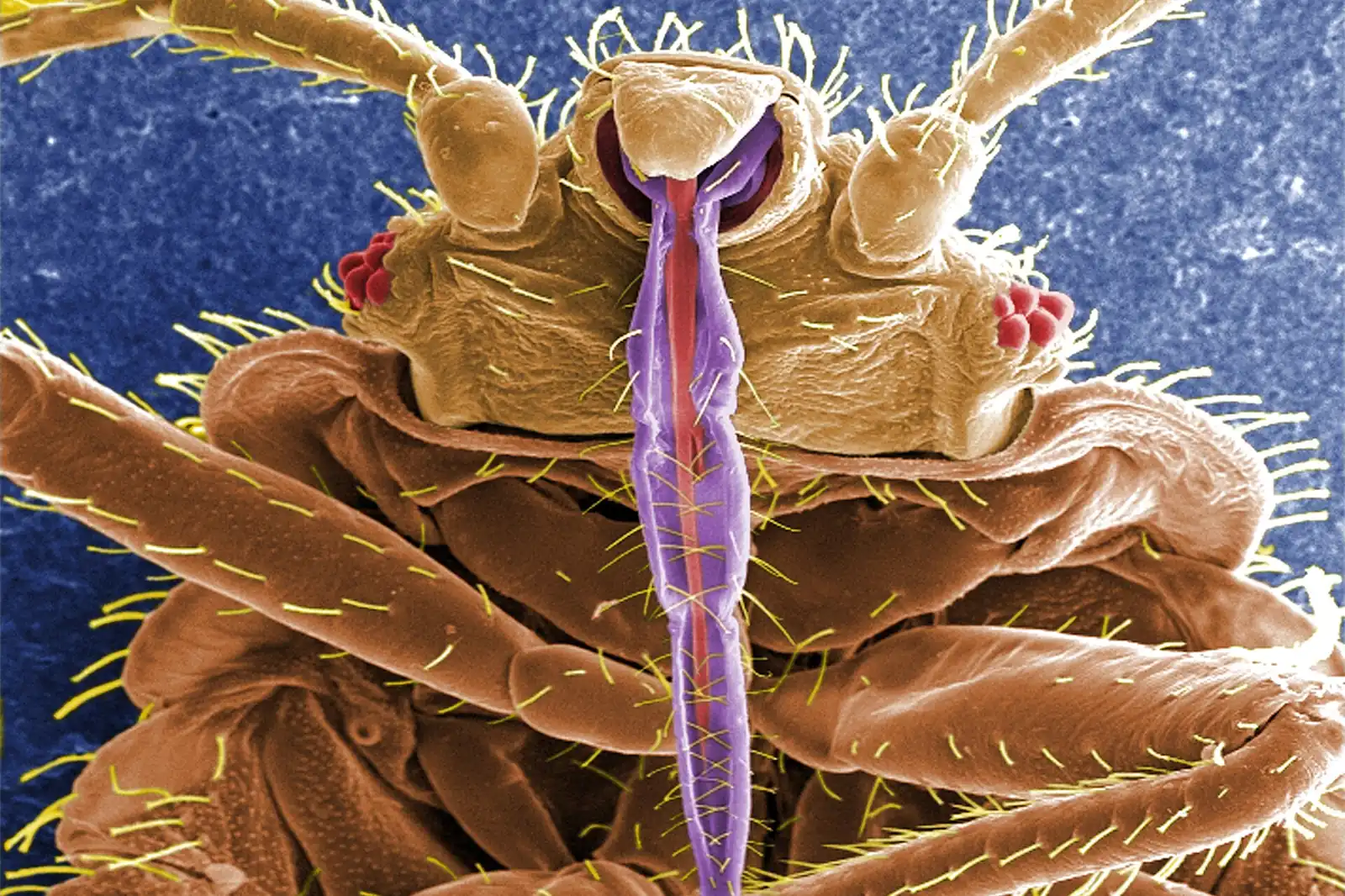
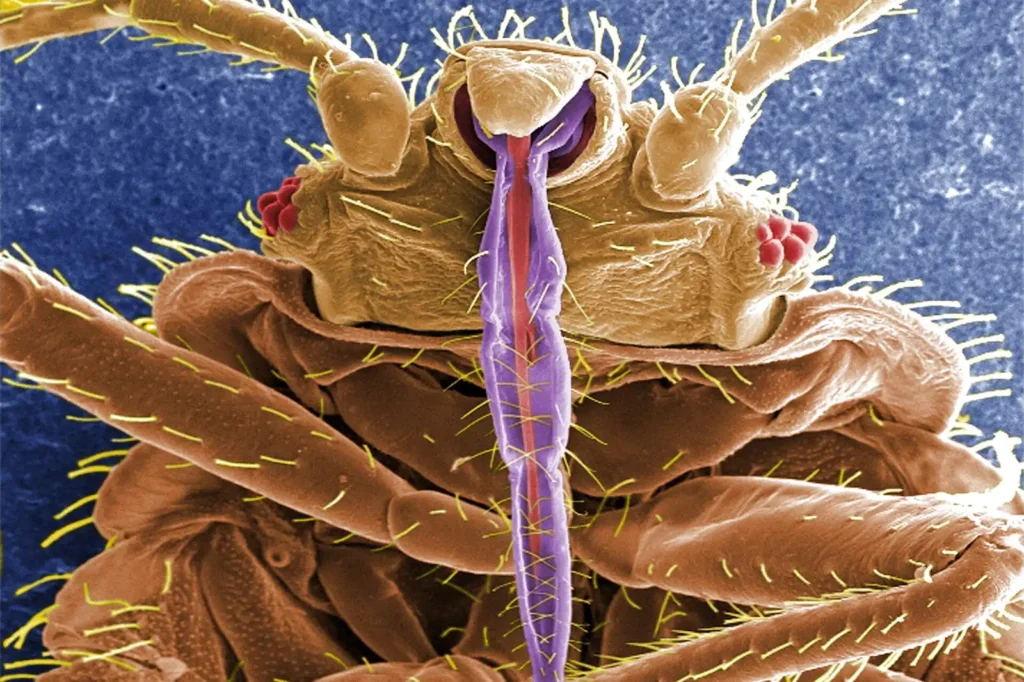
Bed bugs (Cimex lectularius, the common bed bug, and rarely Cimex hemipterus, the tropical bed bug) are obligate blood feeders that hitchhike on luggage, used furniture, secondhand mattresses, and resident clothing. Polk County has elevated exposure because of three local factors: a large transient hospitality footprint along the I-4 corridor between Tampa and Orlando, a robust used-furniture and estate-sale market in Lakeland and Winter Haven, and a high concentration of multifamily and short-term rental housing in the Disney–Lakeland orbit where unit-to-unit migration is possible through shared wall voids and electrical chases.
Three behavioral facts shape every bed bug treatment plan. First, bed bugs do not jump or fly — they crawl, and they harbor close to their food source (typically within 8 feet of where the host sleeps). Second, eggs are not killed by most liquid pyrethroids or pyrethrins, so a single-shot chemical treatment will not clear an infestation that has progressed past the introduction stage. Third, modern Cimex lectularius populations are pyrethroid-resistant across most of the southeastern United States, including documented populations in central Florida — which is why a Polk County treatment program does not rely on a single chemistry.
How to confirm a bed bug infestation before booking treatment
Treatment is expensive and confirmation matters. Look for the following signs and ideally collect a specimen for the operator to verify on arrival:
- Live bugs. Adults are 4–5 mm, oval, flat (unfed) or rounded (fed), reddish-brown.
- Cast skins. Translucent amber exoskeletons in seams and crevices — bed bugs molt five times.
- Fecal spotting. Dark brown to black ink-stain dots on sheets, pillowcases, mattress seams, headboard cracks, and adjacent wall outlets.
- Eggs and egg shells. About 1 mm, pearl-white, often glued in clusters in seams and crevices.
- Bite pattern. Linear or clustered welts on exposed skin during sleep — bites alone are not diagnostic.
- Sweet, musty odor in heavy infestations.
If only bite welts are present and no physical evidence is found after a careful 30-minute inspection of mattress seams, box-spring corners, headboard cracks, baseboards behind the bed, and nightstand seams, the operator may recommend canine inspection (a trained bed bug detection dog, scent-confirmed by physical evidence) before scheduling treatment. False positives are real and treatment is not without cost, so confirmation is worth doing right.
Bed bug treatment methods used in Lakeland, FL
Whole-structure heat treatment
The most efficient single-visit method. The operator deploys propane- or electric-fired heaters with industrial fans into the affected rooms (typically the entire home for a confirmed bed-side infestation in a Lakeland single-family), raises the ambient temperature to 135–145°F, and holds the core temperature of mattresses, box springs, baseboards, and furniture above 120°F for at least 90 minutes. Thermocouples placed in cold spots (under furniture, inside drawers, behind headboards) confirm lethal temperature is reached throughout. Heat is lethal to all life stages including eggs in a single cycle.
Pros: single-day treatment, no residual chemistry, immediate re-occupancy. Cons: heat-sensitive items must be removed (vinyl records, candles, aerosols, electronics in some operator protocols, pets and houseplants), and cost is higher per square foot. Polk County heat treatments for a 1,500–2,400 sq ft home are priced individually by the independent licensed operator, based on square footage and infestation severity.
Conventional integrated program (liquid + dust + steam)
The most cost-effective method when prep is done correctly. The operator combines four tools across two or three service visits:
- Residual liquid. Modern bed bug programs use non-pyrethroid actives — chlorfenapyr (Phantom, Phantom II), neonicotinoid + pyrethroid combinations (Temprid SC: imidacloprid + beta-cyfluthrin), or pyrethroid + pyriproxyfen IGR combinations (Tandem, Transport GHP). These are applied as crack-and-crevice and as void treatments — not broadcast over sleep surfaces.
- Steam. Direct steam at 180–200°F applied to mattress seams, box-spring fabric, headboards, and adjacent crevices. Kills all life stages on contact within the steam zone.
- Dust. Diatomaceous earth or silica gel desiccant dust (Cimexa is the dominant product) puffed into wall voids, behind outlet plates, and into hollow furniture legs. Long residual, lethal by abrasion and desiccation, no resistance pressure.
- Encasements. Class I medical-grade mattress and box-spring encasements installed at the end of the first visit. Traps remaining bugs inside the encasement and prevents new harborage.
Conventional programs typically include two follow-up visits at 14-day intervals (matching the bed bug egg-to-adult timeline so any survivors hatching from missed eggs are treated). Polk County conventional programs are priced individually by the independent licensed operator for a single-family home including encasements.
Cryonite (CO2 freezing) and other supplemental methods
Cryonite uses pressurized CO2 snow at -110°F to freeze bed bugs on contact and is used as a supplement on electronics, books, and items where heat or liquid is not appropriate. It is rarely a standalone treatment and is most useful as a sensitive-item adjunct inside a heat or conventional program.
For a longer side-by-side analysis of which treatment to choose for which situation, see heat vs. chemical bed bug treatment in Lakeland.
How to prep a Lakeland home for bed bug treatment
- Launder all clothing, bedding, towels, and curtains in the affected rooms. Wash in hot water if the fabric allows; dry on high heat for at least 40 minutes. Bag laundered items in clean plastic bags and remove from the treatment area.
- Vacuum thoroughly. Vacuum mattresses, box springs, headboards, baseboards, and the floor. Immediately seal the vacuum bag or empty the canister into a sealed plastic bag and remove from the home.
- Empty nightstands and dressers. Bag contents for laundering or for heat treatment in a portable bed bug heat box (Packtite or similar).
- Disassemble bed frames. Pull the bed away from the wall, remove headboards from the wall, expose all seams and crevices. Do NOT throw the mattress out unless the operator advises — encasement is usually sufficient.
- For heat treatments only: remove heat-sensitive items. Aerosols, candles, vinyl records, ammunition, medications, fresh produce, houseplants, and pets. Verify the operator’s specific exclusion list.
- For conventional treatments only: do NOT vacuum or apply DIY sprays the day before service. DIY pyrethroid sprays from the home improvement store make bed bugs disperse into wall voids and into adjoining rooms, doubling the area the operator has to treat.
- Be ready to be out of the home for 4–8 hours during treatment regardless of method. Confirm re-occupancy timing with the operator before service.
- Plan for the follow-up window. Conventional programs require two follow-up visits at 14-day intervals; don’t move furniture or apply other chemistries during this window.
Bed bug treatment cost in Lakeland, FL
| Scenario | Method | Pricing |
|---|---|---|
| Single bedroom, early-stage activity | Conventional, 2 visits | Varies by provider |
| Two bedrooms + common area | Conventional, 3 visits | Varies by provider |
| Whole single-family home, 1,500–2,400 sq ft | Conventional, 3 visits | Varies by provider |
| Whole home, heat treatment | Single visit | Varies by provider |
| Apartment / condo unit | Conventional or heat | Varies by provider |
| Encasements (set of 2) | Add-on or included | Varies by provider |
| Canine inspection (confirmation only) | Detection visit | Varies by provider |
For a detailed pricing breakdown including multifamily and short-term rental scenarios, see bed bug exterminator cost in Lakeland, FL.
What does NOT work for bed bugs in Lakeland
A short list of methods that consistently fail in central Florida bed bug cases, in order of how often they cause Polk County homeowners to spend money for nothing:
- Bed bug “bombs” / total release foggers — the EPA and the University of Kentucky have both published findings that foggers are ineffective against bed bugs and frequently drive them into wall voids and adjacent rooms.
- Mattress disposal alone — bugs harbor in the box spring, headboard, baseboards, and adjacent furniture, not just the mattress.
- Rubbing alcohol sprays — contact-only with no residual and a serious fire hazard. Multiple Florida fires per year are caused by DIY alcohol bed bug treatments.
- Essential oils — most studies show no field-level efficacy against bed bug eggs.
- Diatomaceous earth dusted on the mattress surface — DE works in voids and crevices, not on top of bedding.
- Single-visit liquid-only treatments without follow-up — eggs hatch out and re-establish the population.
The U.S. Environmental Protection Agency maintains a current bed bug treatment guidance page (EPA Bed Bugs) and the University of Florida IFAS Extension publishes Bed Bugs and Blood-Sucking Conenose (ENY-228) with field guidance specific to Florida.
Frequently asked questions about bed bug treatment in Lakeland, FL
How long does it take to fully clear bed bugs in a Lakeland home?
Heat treatment clears the population in a single 4–8 hour visit with a 30-day verification window. A conventional liquid + dust + steam + encasement program clears the population over 30–45 days with two or three service visits at 14-day intervals. Either method should be followed by a one-month no-activity verification before considering the infestation closed.
Do I need to throw away my mattress?
Almost never. A Class I medical-grade encasement on both the mattress and the box spring traps remaining bugs inside, prevents future harborage, and is dramatically cheaper than replacing the bed. The exception is severely damaged mattresses where torn fabric prevents the encasement from sealing — in that case the operator may recommend disposal. Do not throw out a mattress unless the operator advises it, and if you do, slash it visibly and label it before curbside placement to discourage anyone from picking it up.
Will heat damage my electronics or my home?
Properly executed whole-structure heat in the 130–145°F range does not damage standard residential construction or most consumer electronics. The operator will identify and either remove or shield items that fall outside that envelope. Damage cases overwhelmingly trace to unmonitored DIY heat attempts — not to professional treatments.
Can a bed bug infestation come back after treatment?
Re-introduction is possible — bed bugs hitchhike. The treatment itself does not create immunity. After a Lakeland treatment is closed out, the practical defenses are encasements left in place, periodic mattress and box-spring inspections, vigilance on luggage and used furniture brought into the home, and quick response to any new bite or specimen evidence.
How do I find a Lakeland bed bug treatment operator?
Bed bug treatment in Lakeland is performed by independent, FDACS-licensed pest-control companies. When you engage one, confirm that the business holds a Pest Control Business License with FDACS in Category 8B (General Household Pest Control) or 8A (General Household and Wood-Destroying Organism Control).
Disclaimer: Lakeland Exterminators is a local dispatch and referral service, not a licensed pest-control operator. We connect Polk County, Florida homeowners with independent, FDACS-licensed and insured pest-control companies. All inspections and treatments are performed by those independent providers, who set their own pricing, scheduling, and service terms.
Any reference to same-day, emergency, or 24/7 service describes the typical scheduling of matched independent providers and is not guaranteed; actual response times vary by provider, season, location, and demand.