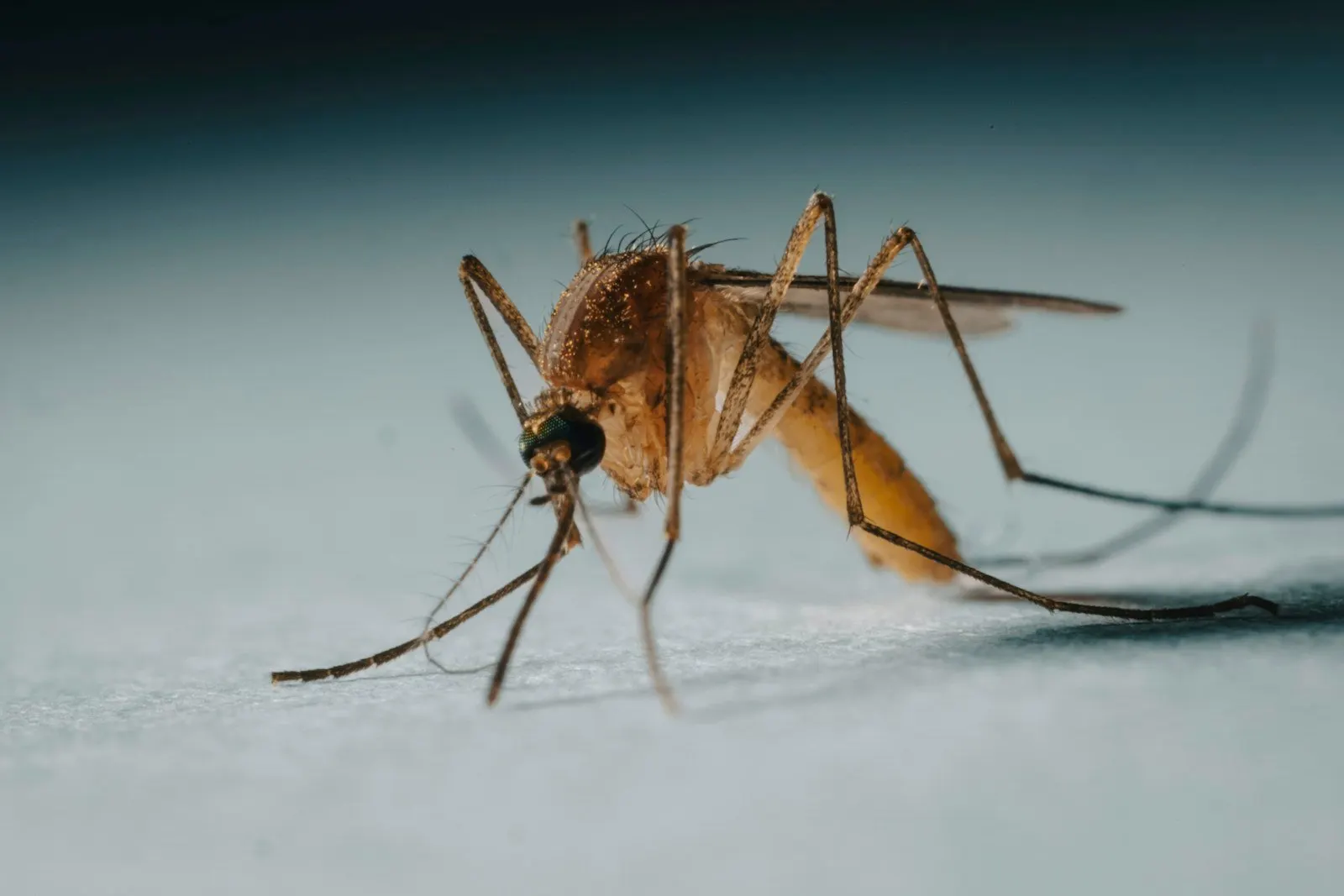
Mosquito control in Polk County, FL combines monthly residential barrier treatments (priced individually by the independent licensed operator), targeted larval source reduction, and — for properties bordering wetlands, retention ponds, or the Green Swamp — an automated misting system or an In2Care station program. Polk County hosts at least 30 documented mosquito species, with Aedes aegypti and Aedes albopictus driving day-biting urban pressure, Culex nigripalpus driving the West Nile and St. Louis encephalitis transmission risk, and Psorophora ferox and Mansonia titillans driving the wet-season outbreak surges. This guide explains every mosquito control approach used in Lakeland and Polk County, the species each method targets, and what the seasonal pressure calendar actually looks like.
Dealing with a pest problem right now?
📞 Call now — get matched with a licensed local exterminator: (888) 295-0220When you call, stay on the line for a few seconds while we match you with the licensed local exterminator for your area. Have your address and a quick description of the problem ready.
Licensed local pros · Fast response, subject to availability · No obligation
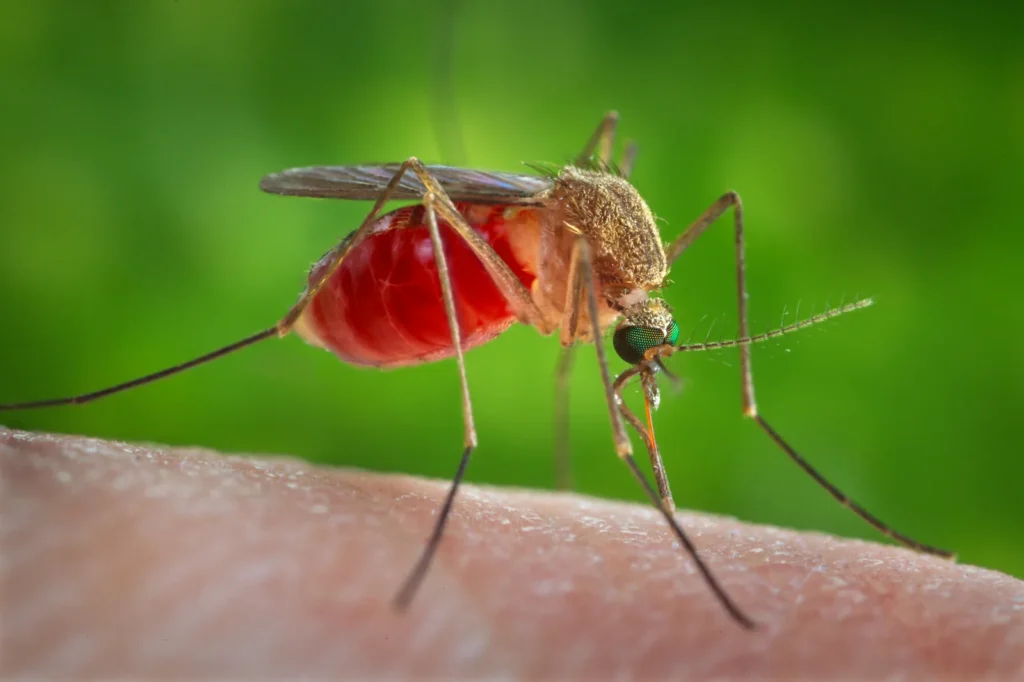
The mosquito species that drive control decisions in Polk County, FL
Day-biting urban Aedes: Aedes aegypti and Aedes albopictus
The yellow fever mosquito (Aedes aegypti) and the Asian tiger mosquito (Aedes albopictus) are container-breeding day-biters that drive most of the daytime mosquito complaints in Lakeland, Winter Haven, Auburndale, Bartow, and the rest of urbanized Polk County. They lay eggs on the inside walls of water-holding containers — bromeliads, tire piles, plant saucers, flowerpots, clogged gutters, tarps, kiddie pools, birdbaths, ornamental fountains, even soda-can pull-tabs. Eggs are drought-tolerant and hatch on contact with water, which means a backyard can re-populate from container habitat within 7–10 days of a wetting event. Both species are competent vectors for dengue, chikungunya, Zika, and yellow fever. Aedes aegypti in particular has been the species driving the locally-transmitted dengue cases documented in central Florida in recent years.
Encephalitis vector: Culex nigripalpus
The primary West Nile virus and St. Louis encephalitis vector in central Florida. Crepuscular biter (dusk and dawn). Breeds in ground pools, ditches, and shallow margins of ponds. Culex nigripalpus populations are the species most responsible for the late-summer sentinel chicken seroconversions that drive Polk County Mosquito Control District (PCMCD) bulletins.
Floodwater swarmers: Psorophora ferox, Aedes vexans, Mansonia titillans
The species responsible for the post-rain mosquito clouds that follow heavy summer storms and hurricane events. Eggs are laid on damp soil in low-lying areas; flooding triggers mass emergence. Adult flights can carry these species 1–5 miles, which is why a Polk County backyard can be overrun overnight by mosquitoes that did not breed on the property. The control implication is that residential barrier work alone cannot suppress floodwater outbreaks — PCMCD or municipal aerial larviciding becomes the relevant intervention.
Mosquito control methods used in Polk County
Residential barrier treatment
The standard residential program. A backpack mist blower applies a labeled pyrethroid barrier to the underside of leaves and harborage vegetation around the property perimeter, fence lines, hedges, ornamental beds, and undersides of decks 0–10 feet above grade. Resting mosquitoes contact the residue and die; mosquitoes flying through the property pick up sub-lethal exposure and exit. Common active ingredients in Polk County residential mosquito work:
- Bifenthrin (Talstar Pro, OnyxPro) — the most widely used residential barrier active.
- Lambda-cyhalothrin (Demand CS, Cyzmic CS, Scion) — microencapsulated, longer residual on porous surfaces.
- Deltamethrin (Suspend SC, Suspend Polyzone) — commonly used in mosquito + flea + tick combo programs.
Cost: priced individually by the independent licensed operator, based on lot size and perimeter complexity. Most programs run March through November on a 21–30 day cycle. See mosquito control in Lakeland, FL for the dedicated service page.
Larval source reduction (IPM)
Adult treatment alone never wins against Aedes aegypti and albopictus if standing-water sources are present on the property. The operator (and the homeowner) should walk the property at every visit and address container habitat:
- Empty and scrub plant saucers, birdbaths, dog bowls, and kiddie pools weekly.
- Discard or store-indoors tarp-covered items.
- Drill drain holes in tire piles and outdoor planters.
- Clean gutters of leaf debris (a single clogged gutter can produce thousands of Aedes per week).
- Treat bromeliads with Bti granules (mosquito dunks, Mosquito Bits) every 30 days — bromeliads hold water in their leaf axils and are a major Aedes source in Polk County landscaping.
- Add aerator pumps or mosquitofish (Gambusia affinis) to ornamental ponds.
In2Care stations
The In2Care station is a small bucket with treated gauze that exploits Aedes egg-laying behavior. Female mosquitoes are attracted to the station, pick up pyriproxyfen (an insect growth regulator) and a fungal entomopathogen (Beauveria bassiana) on their legs, then fly to other water sources and contaminate those, killing larvae they did not personally lay. The station also kills the visiting female. Deployed at 8–12 stations per acre on a 30–60 day refill cycle. Effective specifically against container-breeding Aedes. Add-on cost is priced individually by the independent licensed operator.
Automatic misting systems
Permanent perimeter nozzle systems plumbed to a reservoir of pyrethrum or permethrin concentrate. Programmed to mist at dawn and dusk when mosquito activity peaks. Installation and ongoing product refills/service are both priced individually by the independent licensed operator. Used selectively on high-end residential, outdoor restaurants, and event-venue properties where the cost is justified by use intensity.
Polk County Mosquito Control District
PCMCD is a county-funded special district that conducts adulticide ULV truck spraying and aerial larviciding on county and unincorporated parcels during outbreak events. Residents can request service inspections through the district. PCMCD activity supplements rather than replaces private residential treatment — the district treats public rights-of-way and large-scale breeding sources, not individual backyards.
How a Polk County residential mosquito treatment works — service-day workflow
- Property walk and source check. Technician walks the property looking for new standing-water sources, bromeliad water, clogged gutters, neglected pools, and tarps. Sources are addressed or flagged for the homeowner.
- Bti treatment for any unavoidable standing water. Bromeliads, ornamental ponds without fish, low-lying spots that hold water after rain — treated with Bacillus thuringiensis israelensis granules.
- Pre-treatment notification. Beekeepers within 1/2 mile notified per FDACS pollinator-protection guidance; pets and people moved indoors for the application window plus 30 minutes of dry time.
- Barrier application. Backpack mist blower applies labeled pyrethroid barrier to vegetation 0–10 ft above grade around the property perimeter, fence lines, hedges, ornamental beds, and undersides of decks. Avoids open water surfaces and flowering plants in active bloom.
- Re-occupancy. 30–60 minutes after application once spray has dried. Effective barrier residual lasts 21–30 days depending on rainfall.
- Service ticket and label/SDS access. Operator leaves a service ticket with active ingredients, application rate, target species, and FDACS-required label / SDS access information.
Polk County mosquito calendar — when each species peaks
| Month | Pressure level | Dominant species / driver |
|---|---|---|
| January | Low | Overwintering Culex females; residential exposure minimal. |
| February | Low-Moderate | First Aedes hatch on warm-up; bromeliad sources begin. |
| March | Moderate | Residential programs typically initiate; Aedes rising. |
| April | Moderate-High | Container-breeding Aedes dominant; pre-rainy-season build. |
| May | High | Rainy season onset; floodwater species emerge. |
| June | High | Peak Aedes + Psorophora + Mansonia. |
| July | Very High | Sustained rainfall; Culex nigripalpus ramp. |
| August | Very High | Peak West Nile / SLE vector activity; sentinel chicken bulletins. |
| September | Very High | Hurricane / tropical storm post-flood emergencies. |
| October | High | Continuing post-storm floodwater outbreaks. |
| November | Moderate | First cool fronts begin to suppress. |
| December | Low | Most residential programs reduce frequency or pause. |
For storm-event prep guidance see hurricane pest prep for Polk County homes. The Florida Department of Health publishes weekly arbovirus surveillance reports during mosquito season; the CDC also publishes current vector-borne disease guidance at CDC Mosquitoes.
Polk County mosquito control cost
| Service | Frequency | Pricing |
|---|---|---|
| Barrier spray, typical residential lot (1/4 acre) | Monthly | Varies by provider |
| Barrier spray, larger lot (1/2 to 1 acre) | Monthly | Varies by provider |
| Annual program, March–November | 9 visits | Varies by provider |
| In2Care station add-on | 30–60 day refill | Varies by provider |
| Misting system install | One-time | Varies by provider |
| Misting system annual service | Annual | Varies by provider |
| Pre-event one-time spray | One-time | Varies by provider |
Frequently asked questions about mosquito control in Polk County, FL
How quickly does a mosquito barrier treatment work?
Backyard mosquito pressure typically drops 70–90% within 48 hours of the first application and stays suppressed for 21–30 days under normal conditions. Heavy rainfall events can shorten the residual; properties bordering wetlands or receiving frequent mosquito incursion from off-property sources see less pronounced reduction.
Are residential mosquito sprays safe around pets and kids?
The labeled pyrethroid actives used in Polk County residential mosquito work (bifenthrin, lambda-cyhalothrin, deltamethrin) are EPA-registered for residential use and require pets and people to stay off treated vegetation until the product has dried — typically 30–60 minutes. Caution: pyrethroids are toxic to fish and to honeybees. Operators avoid open water and pollinator-active flowering plants and notify nearby beekeepers per FDACS guidance.
Do mosquito repellent plants (citronella, lemongrass) actually work?
Not at distances that matter for residential pressure. Crushed leaves of some species release volatiles that reduce local biting in a one-foot radius for a few minutes. They are decorative, not control. The University of Florida IFAS Extension is explicit that “mosquito plants” do not produce measurable reduction in mosquito populations.
Will mosquito control hurt my beneficial insects?
Labeled barrier work targets resting vegetation, not flowers in active bloom. Pyrethroids are toxic to bees on direct contact but degrade quickly on foliage. Responsible Polk County operators avoid spraying flowering plants, use early-morning or late-evening windows that miss peak pollinator foraging, and use Bti for any standing-water treatment instead of broad-spectrum larvicides.
How do I find a Polk County mosquito control operator?
Mosquito treatment in Polk County is performed by independent, FDACS-licensed pest-control companies (FDACS Category 8B or 8C). When choosing a provider, confirm that the business holds a Pest Control Business License with FDACS in Category 8C (Lawn and Ornamental Pest Control) or 8B (General Household Pest Control) and that the operator is current on the FDACS pollinator-protection guidance.
Disclaimer: Lakeland Exterminators is a local dispatch and referral service, not a licensed pest-control operator. We connect Polk County, Florida homeowners with independent, FDACS-licensed and insured pest-control companies. All inspections and treatments are performed by those independent providers, who set their own pricing, scheduling, and service terms.
Any reference to same-day, emergency, or 24/7 service describes the typical scheduling of matched independent providers and is not guaranteed; actual response times vary by provider, season, location, and demand.