In the Venice of America, the canals aren’t your roach problem — the drains, the risers and the snowbird unit next door are.
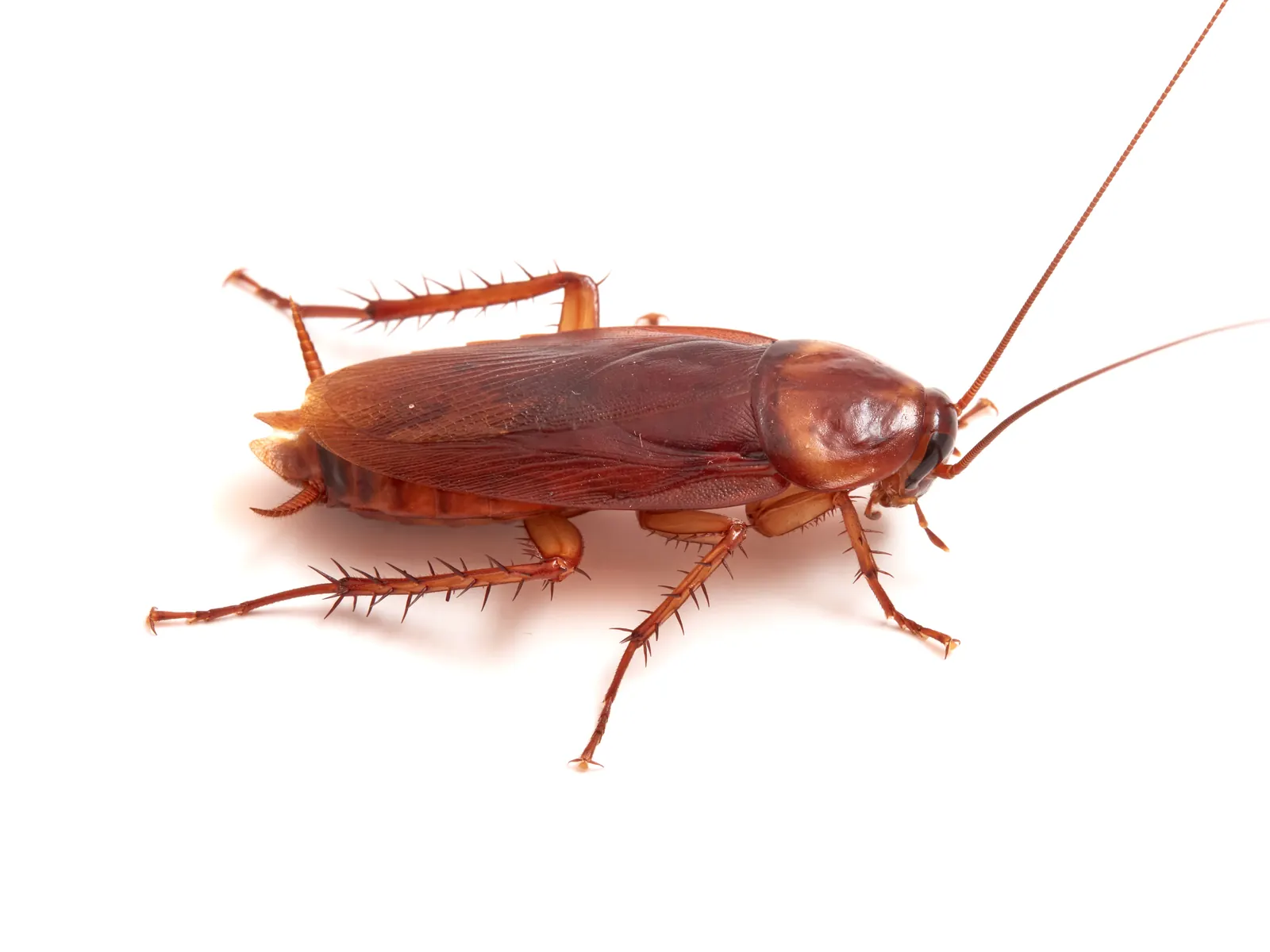
Fort Lauderdale roach calls split cleanly in two. The two-inch palmetto bug (American cockroach) cruising the lanai at night lives outside and underground — in the sewer laterals, storm drains, palm boots and seawall planters this canal city is built on — and wanders in through drains and door gaps. The small German cockroach breeding behind your refrigerator lives nowhere but indoors, and in a condo or apartment it treats the whole building as one habitat, moving between units along plumbing risers and shared walls. Different species, different wars. The dispatch line matches you with FDACS-licensed operators who fight the right one — exclusion and drain work for the wanderers, gel baiting and building coordination for the breeders.
Talk to a live dispatch coordinator now
Big roaches in the bathroom at midnight, small ones in the kitchen by day, droppings in the cabinet corners — describe it and get routed to a licensed Fort Lauderdale roach operator.
(863) 445-9190Tap to call — 24/7 dispatch
Free to call. Free to get matched. The licensed operator you’re matched with gives the quote.
24/7 line · A real person answers · Availability of same-day and emergency service depends on the provider.
Need roach control in Fort Lauderdale, FL? Call (863) 445-9190 and a dispatch coordinator matches you with an FDACS-licensed operator serving your Fort Lauderdale ZIP — species identification, German roach gel-bait programs, palmetto bug exclusion and drain work, and condo building coordination. Lakeland Exterminators is a dispatch service: the licensed local operator inspects, identifies, and quotes the treatment.
Why do Fort Lauderdale condos fight German roaches building-wide?
Because the building is the infestation unit, not the apartment. German cockroaches ride in with groceries, boxes and secondhand appliances, then breed in warm, wet, dark harborage — refrigerator compressors, dishwasher voids, cabinet hinges. In a Galt Mile tower or a Victoria Park fourplex, the population expands along the plumbing chases: treat unit 402 alone and the pressure in 302, 404 and 502 just re-seeds it in weeks. That’s not a treatment failure; it’s a scoping failure. Proper multifamily work inspects and baits the vertical stack around any confirmed unit, and associations that coordinate it once spend less than owners paying for the same unit to be treated four times.
The snowbird cycle adds a Fort Lauderdale twist. Seasonal units closed up from May to November sit warm, humid and undisturbed — ideal incubation — and nobody sees the population until it’s dense enough to spread. Managers who schedule an interior check or monitoring placement during the closed months catch that early; returning owners who walk into a “sudden” November infestation are usually seeing six months of quiet growth. Gel baiting plus insect growth regulators remains the German roach kill chain — and Florida populations carry documented glucose aversion, so operators rotate bait matrices when acceptance drops instead of spraying repellents that scatter the colony deeper into the walls.
Where does roach pressure concentrate in Fort Lauderdale?
- Galt Mile & beach towers (33304, 33305, 33308): stacked units and shared risers — German roach work is coordination work here.
- Las Olas Isles & Rio Vista (33301, 33316): canal-side landscaping, irrigated planters and seawall drains — steady palmetto bug entry pressure.
- Victoria Park & Flagler Village (33301, 33304): older multifamily and new mid-rise side by side — renovation dust pushes populations between buildings.
- Coral Ridge & Imperial Point (33306, 33308): mid-century slab homes with original plumbing penetrations — classic under-sink entry points.
- Riverside Park & Sailboat Bend (33312): mature canopy, mulched beds and raised older structures — outdoor harborage against every foundation.
- Restaurant corridors — Las Olas & the 17th Street causeway (33301, 33316): commercial kitchens feed alley and dumpster populations that spill to neighbors.
How do operators keep palmetto bugs out of a canal-city house?
By treating the paths, not just the sightings. The standing playbook: screen or basket every floor drain and seldom-used shower drain (a dry P-trap is an open door from the sewer side); door sweeps on garage and lanai doors; weep-hole screens in block walls; and a perimeter treatment that concentrates on the moist zones — irrigated planters, palm boots, mulch against the slab, meter boxes. On the isles, dock lighting and seawall vegetation get attention too: bright white light draws flying palmettos on summer nights, so operators often suggest warmer bulbs at entries. Inside, sticky monitors under sinks and behind toilets tell the follow-up visit whether entries are actually closed. It’s unglamorous work — and it’s the difference between a quiet bathroom and a monthly midnight surprise.
Call the line
Tap (863) 445-9190 any hour. Describe the roach, the room, and your Fort Lauderdale ZIP.
Get matched by job type
Kitchen breeders route to gel-bait program operators; palmetto pressure routes to exclusion-and-perimeter providers; condo calls route to operators who coordinate with associations.
A licensed operator takes over
An independent, FDACS-licensed and insured Fort Lauderdale operator inspects, identifies the species, and quotes. No obligation — the dispatch call costs nothing.
Roach on the bathroom wall at midnight? Small ones behind the coffee maker?
The line answers 24/7 and matches you with a licensed Fort Lauderdale roach operator.
One tap. One call. Matched.
(863) 445-9190Tap to call — 24/7 dispatch
Free to call. The licensed operator gives the quote.
Fort Lauderdale roach questions, answered straight
Does a roach sighting mean my home is dirty?
Why did roaches surge after my building’s renovation?
Are foggers a shortcut for a German roach problem?
What does roach control cost in Fort Lauderdale?
Disclosure
Lakeland Exterminators is a pest control dispatch and referral service, not a licensed pest control operator. All roach inspections, quotes and treatments in Fort Lauderdale are performed by independent pest control operators licensed by the Florida Department of Agriculture and Consumer Services (FDACS) and insured in their own name. Calling the dispatch line is free and creates no obligation; the licensed local operator you’re matched with sets their own pricing and terms.
More Fort Lauderdale help: Pest control in Fort Lauderdale, Termite treatment in Fort Lauderdale, Bed bug treatment in Fort Lauderdale · Roach dispatch guide · All pest control services