St. Pete’s bungalows have crawl spaces, alley sewers and a century of roach habitat baked in. The fix starts under the floor, not on it.
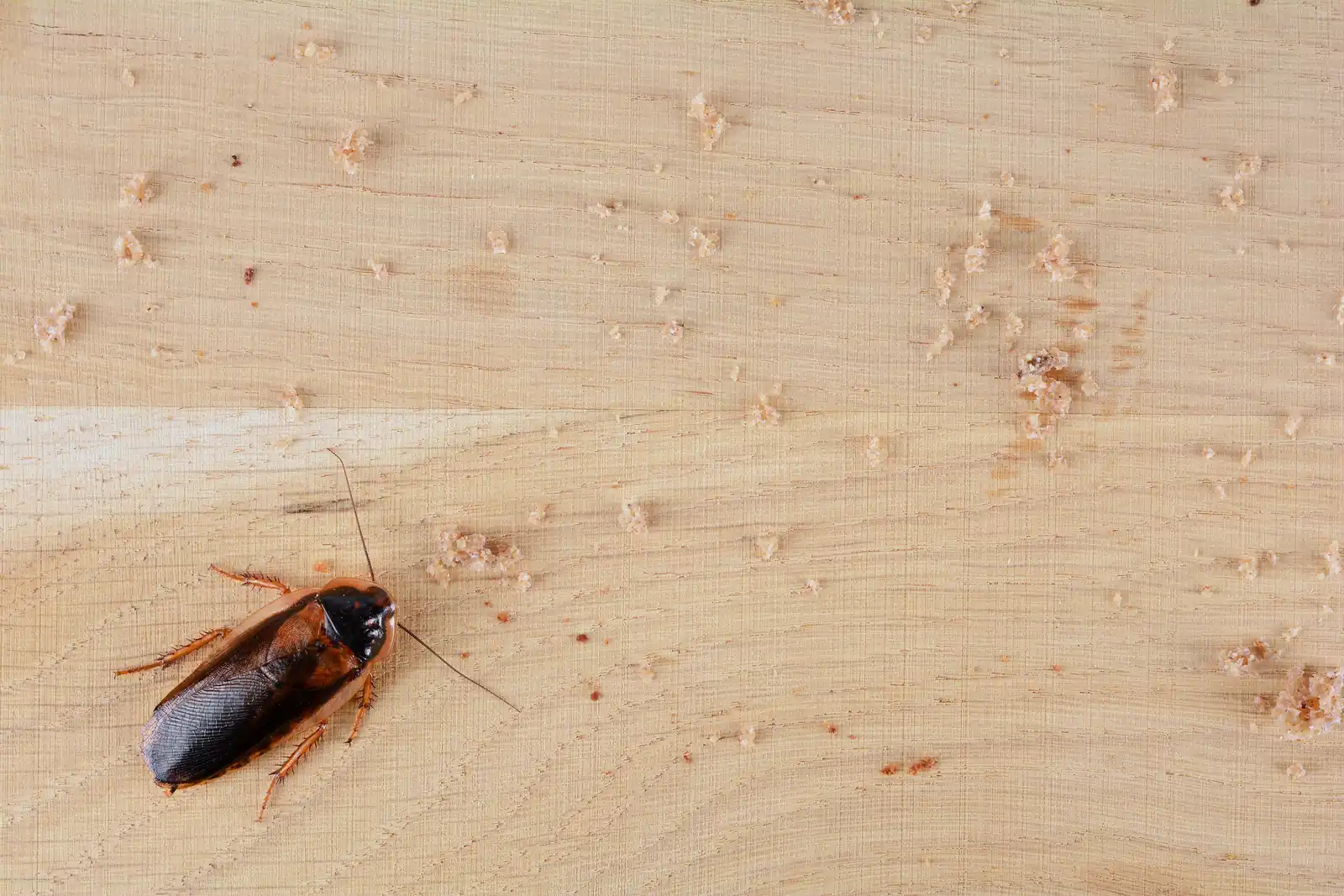
St. Petersburg’s housing DNA is the pre-war bungalow — pier-and-beam construction over a shaded crawl space, on an alley grid with sewer laterals running behind every block of Kenwood, Old Northeast and Crescent Heights. For the two-inch palmetto bug, that’s a complete life-support system: humid crawl-space harborage below, alley drains to travel, and original plumbing penetrations to surface through. Meanwhile the small German cockroach works a different St. Pete — the apartment conversions and new multifamily of the EDGE and Grand Central districts, breeding behind appliances and spreading unit-to-unit along the risers. The dispatch line matches you with FDACS-licensed operators who read which St. Pete you’re in and treat accordingly.
Talk to a live dispatch coordinator now
Big roaches surfacing in the tub, small ones behind the fridge, that musty odor in the cabinet — describe it and get routed to a licensed St. Petersburg roach operator.
(863) 445-9190Tap to call — 24/7 dispatch
Free to call. Free to get matched. The licensed operator you’re matched with gives the quote.
24/7 line · A real person answers · Availability of same-day and emergency service depends on the provider.
Need roach control in St. Petersburg, FL? Call (863) 445-9190 and a dispatch coordinator matches you with an FDACS-licensed operator serving your St. Pete ZIP — species identification, crawl-space and drain exclusion for palmetto bugs, German roach gel-bait programs, and multifamily coordination. Lakeland Exterminators is a dispatch service: the licensed local operator inspects, identifies, and quotes the treatment.
Why do St. Pete bungalows see roaches come up the drains?
Because the alley-grid sewer system and the pre-war plumbing meet in your bathroom. American cockroaches thrive in sewer laterals — warm, wet, food-rich — and a bungalow’s original cast-iron stack offers exits modern construction doesn’t: unsealed cleanouts in the crawl space, abandoned drain stubs from decades of remodels, and floor drains whose P-traps evaporate dry in a guest bath nobody uses. A dry trap is an open sewer door. The crawl space compounds it: shaded, humid and rarely visited, it’s daytime harborage a slab home never provides, and every plumbing or wiring penetration through the floor is a surfacing point.
The 2024 storm season made this worse in the flood-touched blocks of Shore Acres and the coastal edges: saturated crawl spaces, displaced sewer populations and moisture-swollen wood kept humidity — the number-one roach amenity — elevated for months. Operators who work these neighborhoods now treat moisture as part of the roach job: vapor-barrier condition, crawl-space ventilation, and drainage grading all show up on a serious inspection report, because a chronically wet crawl space will out-recruit any perimeter spray.
Where does roach pressure concentrate in St. Petersburg?
- Old Northeast & Historic Uptown (33701, 33704): century-old pier-and-beam stock, alley sewers and canopy shade — the full palmetto package.
- Kenwood & Central Oak Park (33710, 33713): bungalow crawl spaces plus mid-block alleys; check cleanouts and dry traps first.
- EDGE & Grand Central districts (33712, 33713): apartment conversions and restaurant density — German roach territory with building-level spread.
- Shore Acres & Snell Isle (33703, 33704): post-flood moisture legacy — saturated crawl spaces and displaced sewer populations.
- Pinellas Point & Greater Pinellas Point (33705, 33712): mid-century slab ranches — entries concentrate at plumbing penetrations and garage doors.
- Downtown waterfront towers (33701): stacked units, trash chutes and shared risers — coordination work, not single-unit spraying.
What does the right treatment look like for each species?
For palmetto bugs: exclusion and habitat first — screen the crawl-space vents, cap the abandoned stubs, pour water (or mineral oil) into unused traps monthly, door sweeps at grade, and a perimeter treatment focused on the moist zones: mulch lines, irrigated beds, meter boxes, crawl-space entries. For German roaches: gel baits matched to current acceptance, insect growth regulators to break the breeding cycle, vacuum removal of dense harborage, and — in multifamily — treatment scoped to the plumbing stack rather than the single complaining unit. What neither species justifies: repellent over-the-counter sprays, which scatter Germans deeper into voids and do nothing about the sewer pipeline feeding palmetto pressure. If a proposal doesn’t mention your crawl space or your drains, it wasn’t written for a St. Pete bungalow.
Call the line
Tap (863) 445-9190 any hour. Describe the roach, where it appears, and your St. Pete ZIP.
Get matched by job type
Bungalow and drain-pressure calls route to exclusion-capable operators; kitchen breeders and multifamily calls route to gel-bait program providers.
A licensed operator takes over
An independent, FDACS-licensed and insured St. Petersburg operator inspects, identifies the species, and quotes. No obligation — the dispatch call costs nothing.
Roach in the tub again? Musty smell under the sink?
The line answers 24/7 and matches you with a licensed St. Petersburg roach operator.
One tap. One call. Matched.
(863) 445-9190Tap to call — 24/7 dispatch
Free to call. The licensed operator gives the quote.
St. Petersburg roach questions, answered straight
Why do roaches show up in my bathtub specifically?
Does the smoky-brown roach live in St. Pete too?
I keep a clean kitchen — why do I have German roaches?
What does roach control cost in St. Petersburg?
Disclosure
Lakeland Exterminators is a pest control dispatch and referral service, not a licensed pest control operator. All roach inspections, quotes and treatments in St. Petersburg are performed by independent pest control operators licensed by the Florida Department of Agriculture and Consumer Services (FDACS) and insured in their own name. Calling the dispatch line is free and creates no obligation; the licensed local operator you’re matched with sets their own pricing and terms.
More St. Petersburg help: Pest control in St. Petersburg, Termite treatment in St. Petersburg, Rodent control in St. Petersburg · Roach dispatch guide · All pest control services