Quick answer: Late August and September are Florida’s quiet bed bug surge. Summer travel returns, college move-ins, and the secondhand-furniture wave that follows both put more hitchhiking opportunities in motion than any other stretch of the year — and introductions made now surface as confirmed infestations in October. The counter is a one-week interception routine: hot-dry the travel wardrobe, quarantine and inspect secondhand furniture before it enters a bedroom, and give mattress seams a two-minute flashlight check. Caught at two bugs, it is an afternoon; caught at two hundred, it is a project.
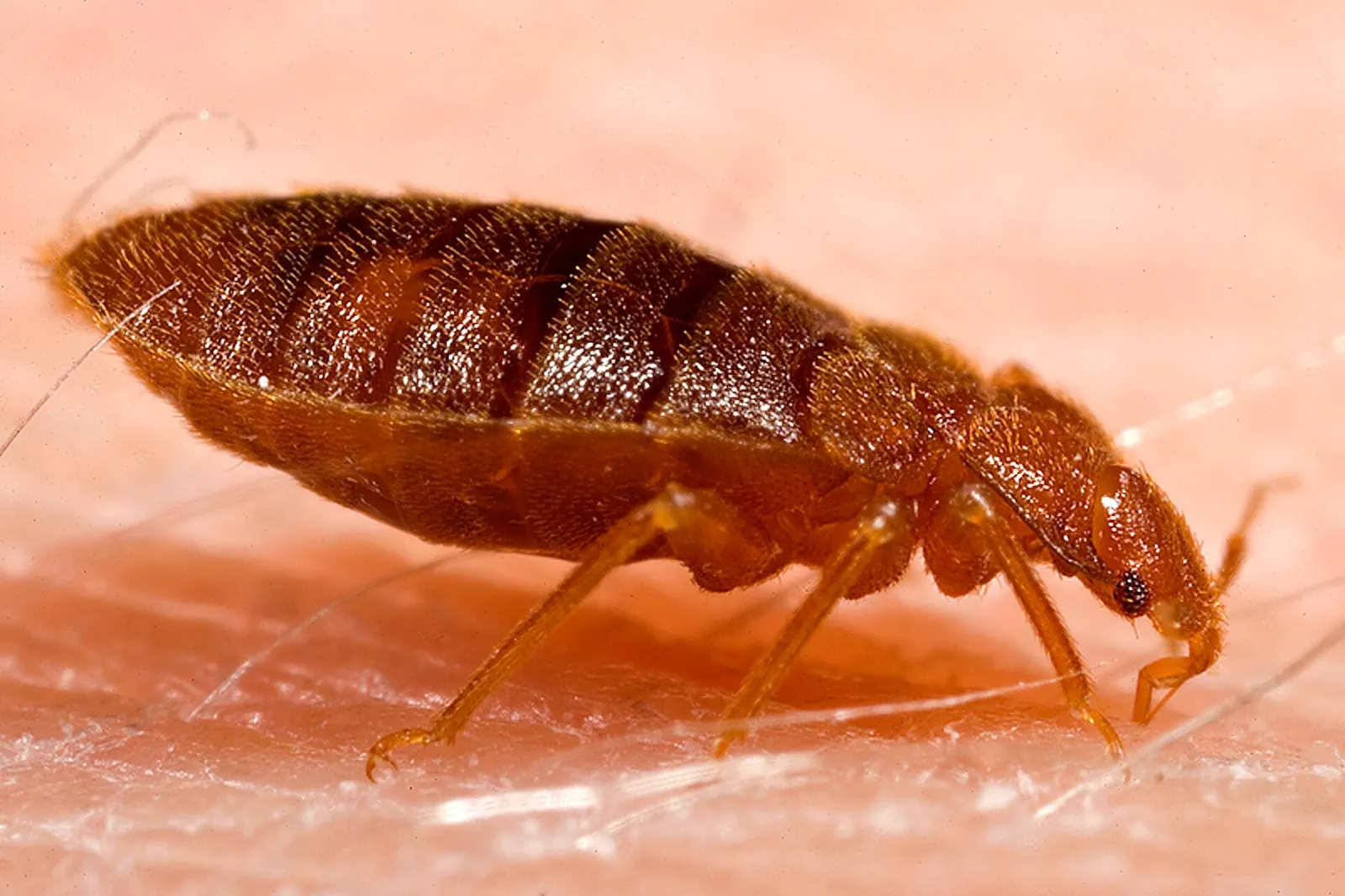
Why do bed bug calls climb every fall in Florida?
Because the introductions happened in August. A bed bug infestation is invisible at first — a mated female carried home in a duffel lays a few eggs a day in a headboard crevice, nymphs start feeding in about three weeks, and the spotting and bite patterns that make people call a professional take another few weeks to accumulate. Count backward from the October spike and you land on the year’s busiest movement window: families returning from summer trips, students moving into apartments and dorms across the state, and the enormous churn of secondhand mattresses, couches and headboards that move-in season puts on the road. None of it requires a “dirty” origin — bed bugs feed on blood, not filth, and they board luggage in nice hotels and nice homes alike.
Florida’s numbers amplify the pattern. The state absorbs both directions of the surge: its own residents coming home from trips, and one of the country’s largest inbound waves of students, seasonal workers and new arrivals — each one a potential courier from a building somewhere else. University corridors feel it first and hardest, which is why the weeks after move-in are when campus-adjacent rental stock from Orlando’s UCF corridor to Tampa’s student neighborhoods generates its annual cluster of reports.
Where do fall introductions actually come from?
- Returning travel (the big one): bugs board seams of luggage and garment bags in hotels, rentals and relatives’ homes, then disembark onto the bed where the suitcase lands. The fix costs nothing: unpack in the garage or laundry room, run everything through a hot dryer cycle — the dryer, not the washer, is the kill step — and store luggage away from bedrooms.
- Secondhand furniture: move-in season floods marketplaces with used mattresses, box springs, upholstered headboards and couches — the highest-risk categories there are. Inspect every joint, screw hole and fabric fold in daylight before purchase, and quarantine pieces in a garage until checked. A free couch that seeds a bedroom is the most expensive furniture in Florida.
- Move-in day itself: moving trucks, storage units and borrowed blankets connect households. Mattresses travel bagged; bedding goes straight to the hot dryer on arrival.
- Guest season warm-up: the same weeks start Florida’s visitor season — guest rooms that host a rotation of arrivals deserve the same seam checks hosts of short-term rentals already run.
What does a real interception routine look like?
Ninety seconds per bed, once a month, plus discipline at the two entry points. The bed check: flashlight along mattress seams and piping, box spring corners, the headboard’s mounting points and the wall behind it — looking for pepper-grain fecal spotting, translucent shed skins, pinhead pearl eggs, or the apple-seed adults themselves. The entry points: everything textile that traveled gets hot-dried on arrival, and nothing upholstered crosses the threshold uninspected. Renters and parents outfitting student apartments can add the two cheap force multipliers the hospitality industry swears by: zippered encasements on mattress and box spring (they turn future inspections into a ten-second glance) and interceptor cups under bed legs (they catch commuting bugs weeks before anyone gets bitten).
Know the evidence hierarchy, because bites rank last: reactions vary so widely — from dramatic welts to nothing at all — that bites alone neither confirm nor rule out bed bugs. Live bugs, spotting, skins and eggs are what inspections read, and what a licensed operator confirms before anyone spends treatment money. That confirmation step matters in both directions: it stops households from fogging a flea problem with bed bug products, and it stops the classic fall mistake — the DIY fogger, which scatters a real infestation deeper into walls and adjacent rooms while the eggs survive untouched.
When is it time to stop checking and call?
The moment you have physical evidence: a live bug in a jar, spotting that wipes rust-brown, skins in a seam. From there the professional sequence is confirmation, treatment matched to the dwelling — whole-room heat in a single day where vacancy allows, sequenced chemical programs where households stay in place — and interceptor verification proving zero afterward. Multifamily situations add the adjacent-unit protocol, since bugs travel wall voids between apartments; renters should report in writing immediately, because Florida landlords generally carry the extermination obligation in multifamily housing and the dated report starts every clock that matters.
For Polk County, see the Lakeland bed bug dispatch guide for Polk County.
Found spotting on a seam — or a stowaway in the luggage?
A dispatch coordinator can match you with an FDACS-licensed bed bug operator in your Florida city — confirmation first, treatment second.
Free to call · 24/7 · The licensed operator you’re matched with gives the quote.
Disclosure: Lakeland Exterminators is a dispatch and matching service. We connect callers with FDACS-licensed structural pest control operators. We are not a licensed pest control operator and do not perform treatment, set prices, or issue warranties. All pricing, scheduling and treatment plans are determined by the FDACS-licensed operator dispatched to your address under Chapter 482, Florida Statutes.