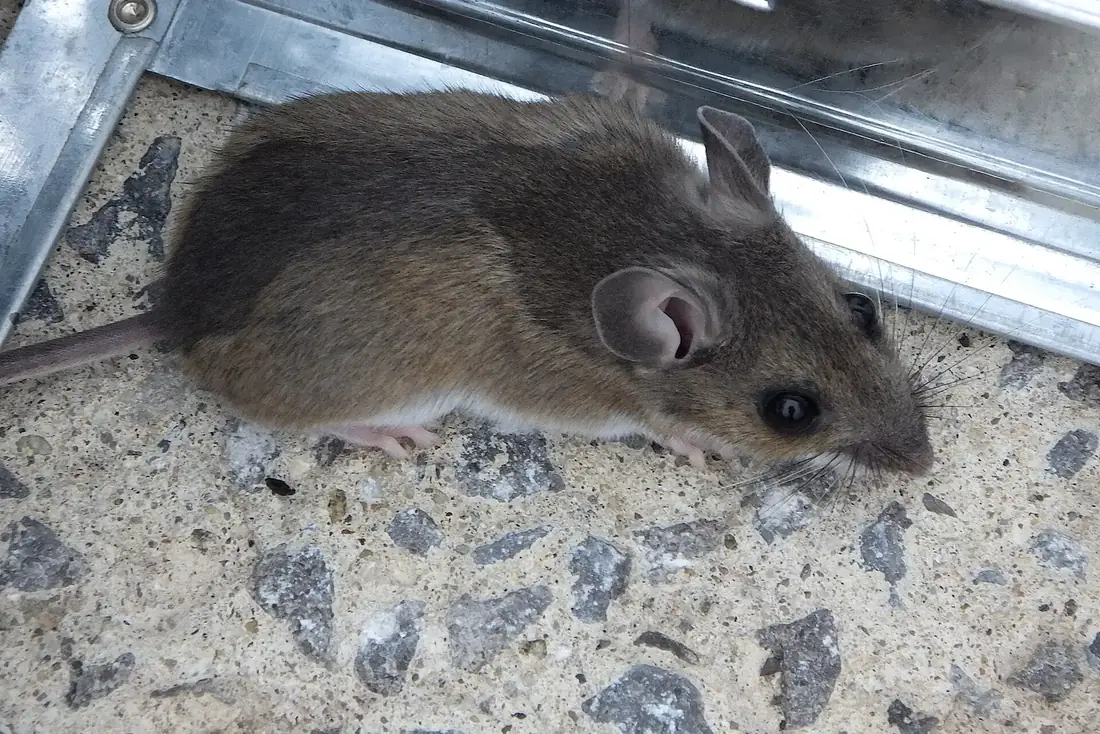
If you’re hearing light, quick scratching in a wall or finding rice-sized droppings in a kitchen drawer this month, you’ve almost certainly got house mice, and October is right when Polk County homes start seeing them. Mouse removal that actually sticks comes down to three things done in order: find every gap a mouse can use (about a quarter inch is enough), trap out the mice already inside, then seal and confirm. Bait alone, or traps alone, usually means you’re doing this again in January.
Why mice show up in Lakeland homes in October
Central Florida doesn’t get a real winter, but mice still move in, just on a softer schedule. Once overnight lows start dipping into the 60s in late October, mice that spent the summer in hedges, woodpiles, and tall grass start working the edges of houses for warmth and steady food. A garage with a bag of dog food on the floor is a five-star hotel.
A few local patterns make it worse in certain parts of the county:
- Pasture and grove edges. Homes out toward Kathleen, north of Lake Gibson, and the edges of Highland City back up to pasture, sod, and old grove land. When those fields get mowed or worked in the fall, the rodent population living in them has to go somewhere, and your foundation line is the nearest shelter.
- Older bungalows on piers. Dixieland and South Lake Morton have plenty of 1920s and 1930s homes with crawl spaces, original wood siding, and decades of plumbing and cable penetrations. Every one of those is a potential mouse door.
- Newer slab homes with attached garages. In Lakeland Highlands and the newer subdivisions around Bartow and Auburndale, the usual entry is the garage: a worn door sweep, a gap at the corner of the garage door, or the spot where the AC line set goes through the wall.
Mouse or rat? Get this right before you call
It changes the whole job, so take a quick look first. House mouse droppings are small, about the size of a grain of rice, with pointed ends. Rat droppings are closer to the size of a raisin or bigger. Mice tend to stay low and close to food, in kitchen cabinets, behind the fridge, and in the garage. Roof rats usually announce themselves overhead in the attic after midnight. If you’re not sure, our side-by-side guide on telling a mouse from a rat in a Lakeland home walks through droppings, sounds, and chew marks.
Mice also breed fast. A female can have a new litter roughly every three weeks, and young mice can breed themselves at around six weeks old. That’s why “I saw one mouse” in October can turn into a real infestation by the holidays if nobody deals with it.
Scratching in the walls or droppings in the pantry?
Call to get connected with a licensed local exterminator who covers your Polk County address. It’s free to call and free to get matched. The pro inspects and gives the quote.
What real mouse removal looks like
When you get matched with a licensed pro, here’s the sequence you should expect them to walk you through.
1. Inspection and a gap map
A good inspection covers the outside at ground level, the garage, the attic, and any crawl space, looking for rub marks (greasy smudges along a wall or pipe), droppings, chewed insulation, and gaps. Expect them to check door sweeps, weep screeds at the bottom of stucco, AC line sets, dryer vents, plumbing under sinks, and the gap behind the dishwasher and stove.
2. Trap-out inside
Inside the living space, most licensed pros lean on snap traps placed along walls and in the dark spots mice travel, not loose poison. The reason is simple: a mouse that eats bait inside the house can die inside a wall, and a dead mouse in a wall cavity in a humid Lakeland October smells for a long time. Bait has a place, mostly in locked, tamper-resistant stations outside or in the garage, but it shouldn’t be the whole plan inside a house with kids, cats, or dogs.
3. Sealing (exclusion)
This is the part that keeps the problem from coming back. Gaps get closed with materials mice can’t chew through: copper or stainless mesh packed into holes and then sealed, hardware cloth over vents, metal flashing where needed, and new door sweeps or garage door seals. Spray foam alone isn’t exclusion. Mice chew through it. The site’s guide to rodent exclusion in Lakeland goes deeper on materials and why the order (trap first, then seal) matters.
4. Follow-up and sanitation
Expect at least one follow-up visit to check traps and confirm no new activity. If droppings are heavy in a cabinet, attic, or garage corner, ask what cleanup is included. Don’t dry-sweep or vacuum droppings yourself. The CDC recommends wearing gloves, spraying droppings and nesting material with a disinfectant or a bleach solution (one part bleach to ten parts water), letting it soak about five minutes, then wiping it up with paper towels.
What you can do this week while you wait
- Get the food up. Pet food, bird seed, and grass seed in the garage go into lidded metal or heavy plastic bins.
- Check the garage door. Close it at night and look from inside for daylight at the bottom corners. If you can see light, a mouse can get in.
- Clear the foundation line. Pull mulch, firewood, and stored stuff a foot or two away from the walls so the pro can see the base of the house and mice lose cover.
- Trim back shrubs touching the siding, especially on older homes with wood siding.
What drives the quote
Every licensed pro prices their own work, so we don’t publish numbers. What moves the price is predictable: how many entry points need sealing, whether there’s a crawl space or attic to work, how many follow-up visits the trap-out takes, and how much cleanup is needed. A one-story slab home in Highland City with one bad garage seal is a very different job than a raised Dixieland bungalow with fifty years of plumbing holes. Ask each pro to put the sealing work in writing, item by item, so you can compare quotes fairly. For the bigger picture on rats, mice, and how the work is usually scoped, see the Lakeland rodent control guide.
One more thing worth checking: in Florida, rodent control in and around homes falls under the state’s pest control law, Chapter 482, and the company doing it should hold an FDACS license that covers general household pest and rodent work.
Want mice handled before the holidays?
One call reaches a licensed local exterminator who serves Lakeland, Winter Haven, Bartow, Auburndale, Mulberry, and the rest of Polk County. A real person answers, 24/7.
FAQ
How small of a hole can a mouse get through?
A house mouse can squeeze through a gap about a quarter inch wide, roughly the width of a pencil. If the tip of a pencil fits into a gap at your garage door corner or around a pipe, assume a mouse can use it too.
Why do I have mice in October if Florida doesn’t get cold?
Mice respond to cooler nights, not freezing ones. When Polk County lows drop into the 60s and fields and grove edges get mowed in the fall, mice look for steady shelter and food, and a garage or kitchen is the easiest option nearby.
Should I just put out poison bait?
Inside the house, usually not. A mouse that eats bait can die inside a wall and leave an odor that lingers for weeks in humid weather. Licensed pros typically use snap traps inside and keep bait in locked stations outside, then seal the entry points.
How long does mouse removal usually take?
Most jobs run one to three weeks from the first visit to the last trap check, depending on how many mice are inside and how much sealing the house needs. The pro will usually come back at least once to confirm activity has stopped.
Is it safe to clean up mouse droppings myself?
Yes, if you do it carefully. Wear gloves, don’t sweep or vacuum dry droppings, spray them with a disinfectant or a bleach solution of one part bleach to ten parts water, let it soak about five minutes, and wipe up with paper towels. For heavy contamination in an attic, ask the pro about cleanup.
Before you go
Lakeland Exterminators is a dispatch service. We connect Polk County homeowners with licensed local pest control operators. We are not a pest control company and we don’t perform treatments ourselves.