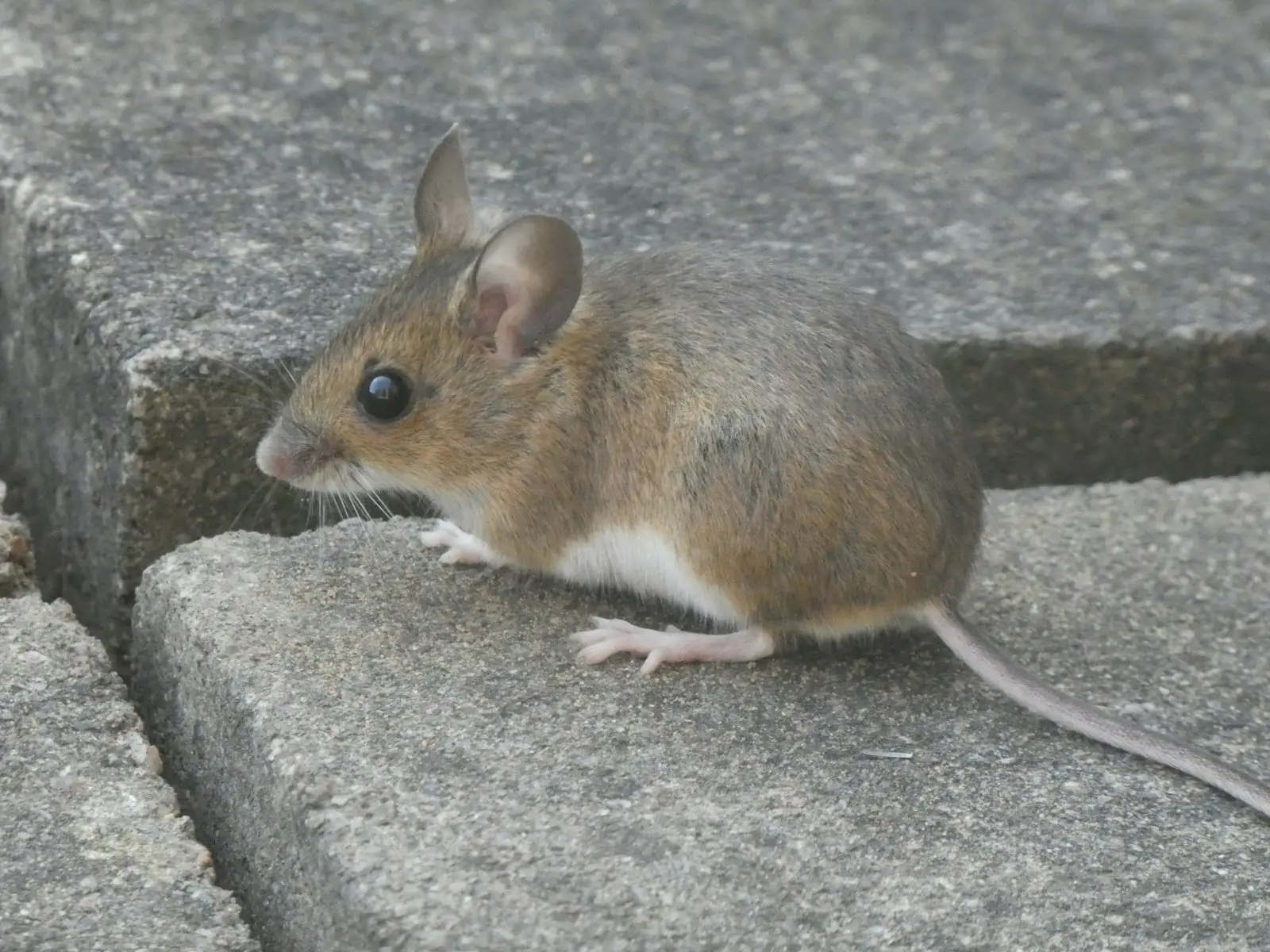
Something is in the wall. You’ve heard it after dark, maybe found droppings behind the trash can or a gnawed corner on a cereal box. Before anything else, one question decides everything that follows: mouse or rat? In Lakeland and greater Polk County the answer changes the equipment, the bait, the entry points that matter, and how urgent the problem is — because our dominant rodent, the roof rat, behaves nothing like a house mouse. Here’s how to make the call from the evidence you already have, or skip straight to the free Pest Identifier & Urgency Check tool for an instant read.
Dealing with a pest problem right now?
📞 Call now — get matched with a licensed local exterminator: (888) 295-0220When you call, stay on the line for a few seconds while we match you with the licensed local exterminator for your area. Have your address and a quick description of the problem ready.
Licensed local pros · Fast response, subject to availability · No obligation
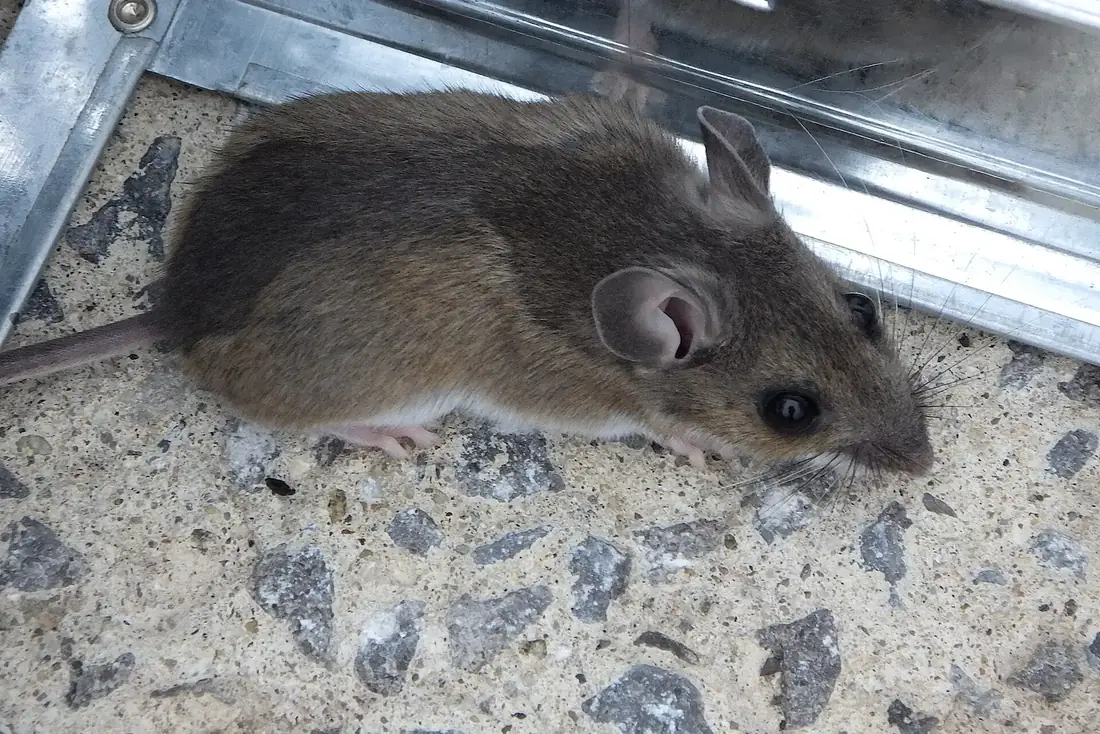
Start With the Droppings
Droppings are the most reliable evidence because you can examine them calmly, unlike a blur disappearing behind the refrigerator.
House mouse: rice-grain size — about a quarter inch — with pointed ends, scattered in large numbers wherever the mouse travels. Mice dribble droppings constantly as they move, so you find them along the whole route: in the silverware drawer, under the sink, along the baseboard.
Roof rat: two to three times bigger — around half an inch — spindle-shaped with pointed ends, often slightly curved. In Polk County homes these concentrate in attics, on top of ductwork, and along the garage perimeter rather than in kitchen drawers.
Norway rat: the least common of the three here, but present near lakes, dumpsters, and older commercial areas — blunt-ended, capsule-shaped droppings, found at ground level: crawl spaces, garages, under decks.
Color tells freshness on any of them: dark and glossy means recent activity; gray and crumbly means old. A full profile of each animal is on our house mouse and roof rat species pages.
Then the Sounds — and Where They’re Coming From
Location beats volume. Mice live near their food: expect faint scratching and rustling inside kitchen walls, the pantry, behind appliances, at ground level. Roof rats earn their name — in Lakeland they enter high, along oak limbs and power lines onto the roof, so the classic soundtrack is scurrying and gnawing from the attic and ceiling voids in the first hours after sunset. If your noises live overhead, especially in a neighborhood with mature canopy or citrus nearby, think roof rat first — it’s the pattern we cover in depth in roof rat attic signs in Polk County citrus country.
Gnawing, Grease Marks, and Nests
Rats leave bigger evidence. Their gnaw marks are rough and obvious — chewed soffit corners, half-inch holes through drywall, stripped wire insulation in the attic — and their oily fur leaves dark rub marks along repeated routes: on rafters, at hole edges, along the garage door frame. Mouse evidence is finer: clean-edged holes the size of a dime, shredded paper or insulation nests inside drawers, cabinets, and stored boxes, and a musty ammonia odor in enclosed spaces once numbers build. Roof rats in Polk County also announce themselves outdoors: hollowed-out citrus fruit left hanging on the tree is practically a signature.
Why the ID Changes the Plan
Everything downstream depends on the animal. Mouse control focuses low — sealing gaps around plumbing penetrations, door sweeps, garage corners — with control points along walls near food. Roof rat control focuses high: trimming branches off the roofline, screening gable and soffit vents, sealing the gap where the roof meets the fascia, and working the attic. Bait and trap placement that catches mice does close to nothing for a roof rat population commuting through your attic, which is one reason DIY efforts often stall for months while the wiring damage continues. Rats are also warier of new objects than mice, so trap strategy and patience differ. Summer matters here too: the mid-July storm pattern pushes displaced rodents toward dry structures, so a “one-off” sighting after a big rain is worth taking seriously before fall, when Polk County rodent pressure peaks and established populations get much harder to evict — see the Polk County Pest & Termite Pressure Report for how that seasonal pressure tracks by area.
One call reaches a licensed, local exterminator who covers your address — and a real person answers, 24/7.
Frequently Asked Questions
How do I tell mouse droppings from rat droppings? Size is the headline: mouse droppings are rice-grain sized with pointed ends and scattered everywhere the mouse travels; rat droppings are two to three times larger. Roof rat droppings are spindle-shaped and often curved; Norway rat droppings are blunt and capsule-shaped.
Can you have mice and rats at the same time? It’s uncommon in the same zones of a house — rats prey on and displace mice — but a Lakeland home can host roof rats in the attic while mice work a garage or shed. Mixed evidence at different levels of the structure is worth mentioning to whoever inspects.
What’s in my ceiling at night in Lakeland? Scurrying overhead shortly after sunset in a canopy or citrus neighborhood is most often roof rats. Squirrels make similar sounds but keep daytime hours; heavier slow thumping suggests larger wildlife.
Do sightings after summer storms mean an infestation? Not automatically — heavy rain displaces rodents from burrows and ground cover, and one may pass through. But rodents that find a dry attic with entry points tend to stay, so a post-storm sighting is the cheap moment to check exclusion before fall.
Why do I keep catching nothing in my traps? Usually one of three reasons: the ID is wrong (mouse traps in a rat problem), placement is wrong for the species’ travel routes, or — with rats — new-object wariness means traps need days in place unset before they work. Persistent misses are a diagnostic clue in themselves.
Are roof rats dangerous to the house itself? Yes — gnawed wiring is the serious risk, along with contaminated insulation and ductwork. That structural exposure, more than the sightings themselves, is why attic populations shouldn’t be left to winter over.
LakelandExterminators.com is a dispatch service. We connect callers with licensed Florida exterminators. We are not a licensed pest control company. The disclaimer in our site footer and our 24/7 dispatch caveat apply to this page.