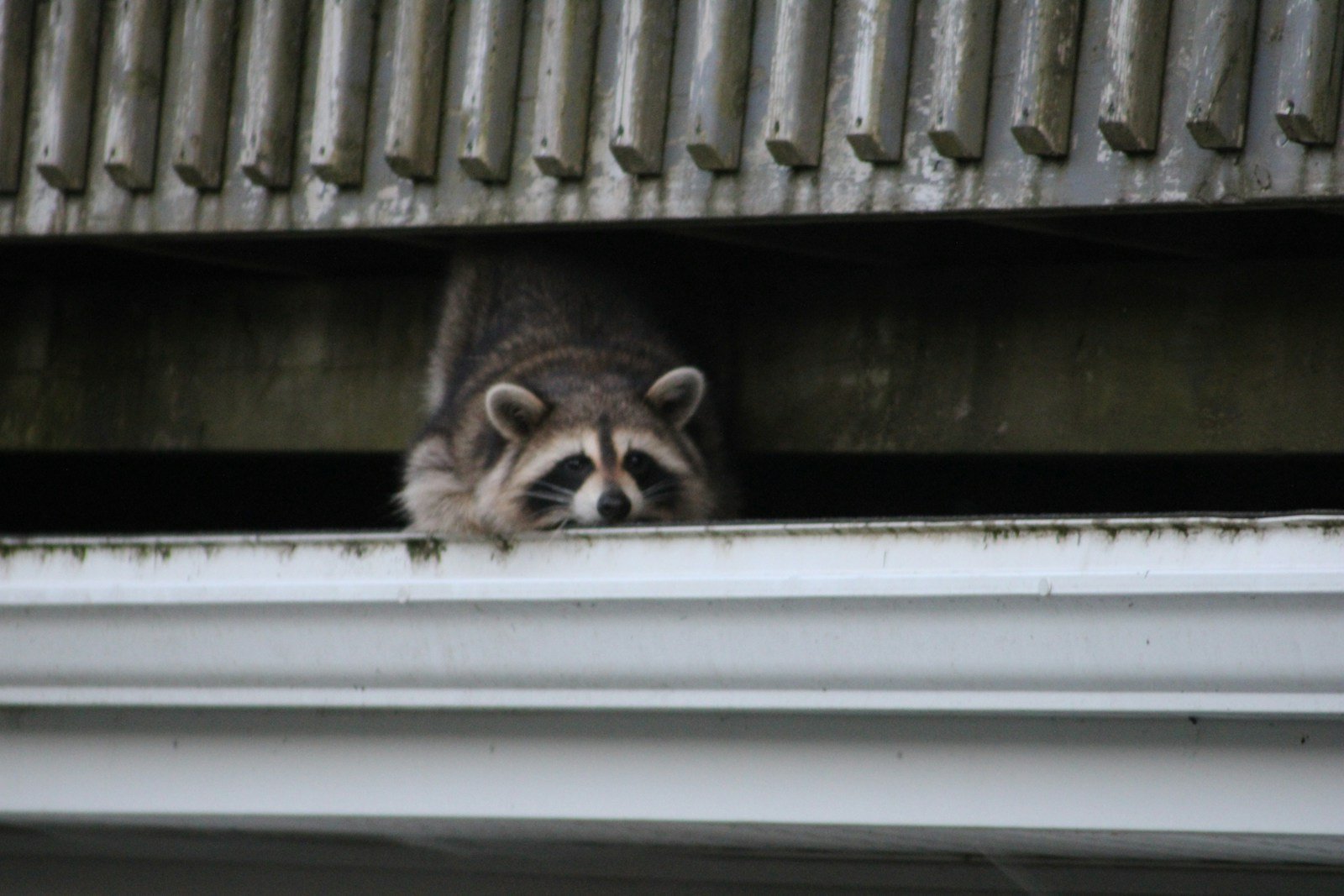
Yes, you can legally trap a nuisance animal on your own property in Polk County, but Florida’s rules are tighter than most people expect. You have to check live traps at least every 24 hours, deal with a caught animal within 24 hours, and you generally can’t drive it somewhere else and let it go. Some animals, like bats during maternity season, bobcats, deer, black bears, and gopher tortoises, are off-limits or come with extra rules. Here’s how it works in plain language, so you can decide whether to handle it yourself or call a licensed pro.
The rule that governs it
Nuisance wildlife in Florida falls under the Florida Fish and Wildlife Conservation Commission (FWC) rule 68A-9.010. FWC defines nuisance wildlife as an animal that causes or is about to cause property damage, threatens public safety, or causes an annoyance in, under, or on a building. A raccoon in the attic, a squirrel chewing a soffit, or an armadillo tearing up the yard all qualify.
Under the rule, anyone who owns property can take nuisance wildlife on that property, or authorize someone else to do it for them. For most common animals, neither the homeowner nor a hired trapper has to notify FWC or get a permit first. FWC doesn’t license nuisance wildlife trappers, either. It keeps a voluntary list where trappers can advertise. That’s why it pays to ask any company you call how they handle disposition and exclusion, not just trapping.
The 24-hour rules
- Check traps daily. Live traps and snares must be visited at least once every 24 hours. Setting a trap Friday and checking it Monday breaks the rule, and in a Lakeland October an animal in a sun-exposed cage can get into real trouble fast.
- Decide within 24 hours. A live-caught animal has to be released or humanely euthanized within 24 hours of capture or of finding it in the trap.
- Let non-targets go right away. If you catch the neighbor’s cat, a protected species, or anything you weren’t after, it gets released immediately at the spot where it was caught.
Where a trapped animal can legally go
This is the part most people get wrong. Under the rule, a native nuisance animal can be:
- Released on the same property where it was caught (one contiguous piece of land), or
- Released somewhere else only if that site is at least 40 contiguous acres, is in the same county where the animal was caught, and you’re carrying written permission from that landowner at the time of release.
Public land doesn’t get a pass. Releasing on a park, a conservation area, or a county-owned lot without written landowner permission isn’t allowed. So the Lake Parker trailhead, a Green Swamp tract, or the woods behind a Highland City subdivision are not drop-off spots.
Nonnative animals can’t be relocated at all. They can only be transported for euthanasia. That includes the nine-banded armadillo, which is considered nonnative in Florida, and Muscovy ducks, which FWC says can’t be captured and released elsewhere. If armadillos are your problem, the site’s armadillo removal guide for Polk County explains what that means in practice.
Rather not deal with traps and the 24-hour clock?
Call to get connected with a licensed local wildlife pro who covers your Polk County address. It’s free to call and free to get matched. The pro inspects and gives the quote.
Animals you can’t treat as nuisance wildlife
The rule carves out a list of animals that can’t be taken as nuisance wildlife, plus a few with special conditions:
- State or federally listed species. In sandy parts of Polk County, the one homeowners bump into most is the gopher tortoise, which is state-listed as threatened. The tortoise and its burrow are protected, and moving one takes an FWC permit.
- Black bears and deer. Not nuisance-trappable under this rule. Call FWC’s regional office.
- Bats. Bats can only be excluded with a one-way device or repellent from August 15 through April 15. From April 16 through August 14, exclusion is off the table because flightless pups are in the roost. We’re past that window now, so October is a good time to plan bat work. More on that in the guide to bat removal in Polk County.
- Bobcats. Can be taken when causing or about to cause property damage or a safety threat, but a live-caught bobcat can’t be euthanized and must be released per the rule.
- Most birds. Birds protected under the federal Migratory Bird Treaty Act, plus bobwhite quail and wild turkey, aren’t covered without separate authorization.
Methods that aren’t allowed
- Steel (foothold) traps without a permit from an FWC regional office.
- Gun and light at night, except under a specific permit for certain species damaging crops or livestock. Firing a gun inside city limits is a separate local question; check with local law enforcement first.
- Poison, except pesticides registered by the Florida Department of Agriculture and Consumer Services and used exactly as the label says.
- Anything that counts as animal cruelty under Florida law.
Why most Lakeland homeowners still call a pro
Trapping is the easy part. The hard parts are what come before and after it:
- Young in the den. Raccoons and squirrels in Polk County raise young in attics, and trapping the mother can leave babies behind in the ceiling. A pro checks first and plans around it.
- The 40-acre problem. Very few homeowners in Lakeland, Winter Haven, or Auburndale have a 40-acre property owner on speed dial ready to sign a release letter. That leaves release on your own property (where the animal walks right back in) or euthanasia.
- Exclusion. Catching the animal doesn’t close the hole it used. Without sealing, the next raccoon or squirrel moves into the same spot. On older roofs in South Lake Morton or around Lake Hollingsworth, that sealing is real roof work.
For an overview of how licensed wildlife work is usually scoped, start with the Lakeland wildlife removal guide.
One more local wrinkle: if the Florida Department of Health in Polk County has a rabies alert in effect for your area, it can limit how trapped animals are moved, and those limits override the normal transport rules.
Something living in the attic, under the deck, or in the walls?
One call reaches a licensed local pro who serves Lakeland, Winter Haven, Bartow, Auburndale, Mulberry, and the rest of Polk County. A real person answers, 24/7.
FAQ
Do I need a permit to trap a raccoon on my own property in Florida?
Usually not. FWC’s nuisance wildlife rule lets property owners take nuisance raccoons and most other common animals on their own land, or authorize someone else to, without notifying FWC. You still have to check traps every 24 hours and follow the release rules.
Can I release a trapped animal at a park or in the woods?
No, not without written permission from the landowner. A native animal can only be released off your property on a site of at least 40 contiguous acres in the same county, with that landowner’s written permission in hand. Parks and public land are included in that rule.
Can I relocate an armadillo?
No. Armadillos are considered nonnative in Florida, and nonnative animals can’t be released anywhere. They can only be transported for humane euthanasia.
When can bats be removed from a house in Polk County?
Bat exclusion with one-way devices is allowed from August 15 through April 15. From April 16 through August 14, it isn’t allowed because young bats can’t fly yet. October falls inside the allowed window.
Does FWC license wildlife trappers?
No. FWC doesn’t license nuisance wildlife trappers, though it lets them list their services on its website. Ask any company how they handle young animals, disposition, and sealing entry points before you hire them.
How fast do I have to deal with an animal once it’s in the trap?
Within 24 hours. Florida’s rule requires live-caught nuisance wildlife to be released or humanely euthanized within 24 hours of capture or of finding it during a trap check.
Before you go
Lakeland Exterminators is a dispatch service. We connect Polk County homeowners with licensed local pest control operators. We are not a pest control company and we don’t perform treatments ourselves.