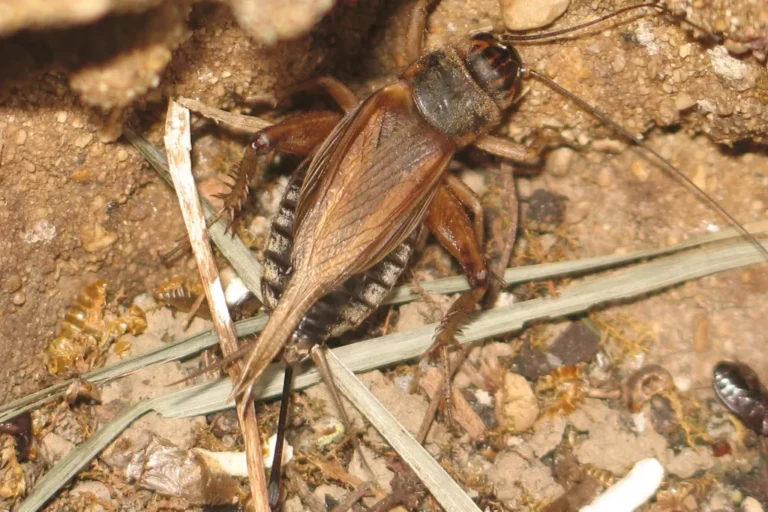
House crickets are one of the more overlooked seasonal pests in Polk County, and Lakeland is no exception. Every summer, homeowners across the city notice the same pattern: a sudden increase in chirping after dusk, crickets jumping out from behind stored boxes in a garage, or crickets showing up indoors near a porch light left on overnight. Unlike many of the county’s other common household pests, house crickets are drawn primarily to light and moisture rather than food, which means the fix often starts with a few simple exterior changes before treatment is even needed. Lakeland Exterminators connects Polk County homeowners with FDACS-licensed pest control providers for residential house cricket control throughout the ZIP codes surrounding Lakeland.
Dealing with a pest problem right now?
📞 Call now — get matched with a licensed local exterminator: (888) 295-0220When you call, stay on the line for a few seconds while we match you with the licensed local exterminator for your area. Have your address and a quick description of the problem ready.
Licensed local pros · Fast response, subject to availability · No obligation
Why House Crickets Surge in Lakeland Every Summer
House crickets are most active from late spring through the peak of summer, when warm nighttime temperatures and Florida’s regular afternoon storms create ideal breeding conditions in mulch beds, leaf litter, and damp areas around a home’s foundation. Male crickets chirp to attract mates, and it is this chirping – loudest just after dusk near porches, garages, and outdoor lighting – that makes a growing population impossible to miss even before crickets start turning up indoors. Exterior lighting left on overnight is one of the single biggest factors driving crickets toward a specific home, since crickets, like many night-flying and night-active insects, are strongly attracted to light sources.
Once outdoor populations build up near a foundation, crickets will look for any small gap – a door threshold, a foundation vent, a garage door seal – to move indoors, particularly during unusually hot, dry stretches when the humidity indoors is more consistent than the yard.
Signs of House Cricket Activity
Chirping Concentrated Near Doors, Garages, or Porches at Night
A steady, rhythmic chirping sound after dark, especially loud near an exterior door or garage, is usually the first sign homeowners notice, often well before any crickets are seen indoors.
Crickets Jumping Out From Stored Boxes or Garage Clutter
House crickets seek dark, undisturbed hiding spots during the day, and garages with stored cardboard boxes, old furniture, or clutter piled against a wall are a common daytime hiding spot.
Minor Fabric or Paper Damage in Storage Areas
While house crickets are not a major structural pest, they can chew small irregular holes in stored fabric, cardboard, or paper goods in a garage or closet, particularly when other food sources are scarce.
Check House Cricket Service Availability in Your ZIP Code
Lakeland Exterminators matches Polk County homeowners with an FDACS-licensed pest control provider for residential house cricket control. Confirm coverage in your ZIP code before requesting an appointment.
How Dispatch Works for House Cricket Service
Lakeland Exterminators is a dispatch and referral service, not a licensed pest control company. When a homeowner requests house cricket service through this site, the request is matched with an FDACS-licensed local provider who assesses the exterior lighting, moisture, and entry-point conditions driving the population, then treats the perimeter and any active indoor activity. Confirming your ZIP code first ensures the request reaches a provider actively covering your part of Polk County. General residential coverage across the area is outlined on the Polk County pest control page.
Why Mid-Summer Timing Matters
House cricket populations in Lakeland tend to peak in the hottest, most humid stretch of summer, which is also when outdoor breeding conditions are most favorable and exterior lighting draws the largest numbers toward a home after dark. A homeowner who addresses lighting and small entry gaps before that mid-summer peak typically sees a smaller indoor population than one who waits until crickets are already establishing themselves near doors and garages.
Reducing House Cricket Pressure Between Treatments
Homeowners can reduce cricket attractants between professional visits by switching exterior porch and garage lighting to yellow or amber bulbs, which are less attractive to crickets than white light, keeping mulch pulled back from the foundation, sealing gaps at garage door thresholds, and reducing clutter in garages and storage areas where crickets can hide during the day. The pest prevention checklist covers additional exterior maintenance steps, and the pest identifier tool can help confirm a house cricket versus other jumping or chirping insects found around a home.
Frequently Asked Questions
Why do house crickets suddenly show up in Lakeland every summer?
Warm nighttime temperatures and regular summer rain create ideal outdoor breeding conditions in mulch and leaf litter, and exterior lighting left on overnight then draws growing populations toward homes.
Do house crickets cause structural damage like termites?
No. House crickets are not a structural pest in the way termites are, though they can chew minor, irregular holes in stored fabric, paper, or cardboard in garages and closets.
Does changing my porch light really reduce cricket activity?
Yes, generally. Crickets are strongly attracted to white light, so switching exterior fixtures to yellow or amber bulbs, or turning off unnecessary porch and garage lighting overnight, can measurably reduce how many are drawn toward the home.
Where do house crickets hide in the garage?
House crickets favor dark, undisturbed spots during the day, commonly behind or inside stored cardboard boxes, old furniture, and clutter piled against garage walls.
How long does house cricket season last in Polk County?
Activity typically builds from late spring, peaks during the hottest and most humid stretch of summer, and tapers off as temperatures cool in fall.
How do I get matched with a house cricket control provider in Lakeland?
Confirm your ZIP code through this site and your request is routed to an FDACS-licensed pest control provider actively servicing your part of Polk County for residential house cricket control.
Ready to Confirm Service in Your Area?
One call reaches a licensed, local exterminator who covers your address — and a real person answers, 24/7.