Pest problem in Homestead? Farm country, hurricane-rebuilt streets and a new-build boom collide at the bottom of the state.
Homestead sits where Florida’s suburbs end and its farmland begins. The Redland’s nurseries, groves and packing operations run a year-round agricultural pest economy at the town’s edge; the post-Andrew rebuild left whole neighborhoods sharing a single 1990s construction vintage; and the last two decades of explosive growth have rolled new-sod subdivisions across former farm rows from Waterstone to Oasis. Fire ants own the disturbed ground, rodents commute from grove to garage, and South Dade’s termite stack — drywood, subterranean and Formosan — works every era of structure. The 24/7 dispatch line matches you by ZIP with an FDACS-licensed exterminator who knows which Homestead your street belongs to.
Talk to a live dispatch coordinator now
Mounds erupting across a Waterstone lawn, rats in a Redland-edge shed, roaches in a Campbell Drive kitchen — describe it and get routed to an independent, licensed and insured operator covering your Homestead ZIP.
(863) 445-9190Tap to call — 24/7 dispatch
Free to call. Free to get matched. The licensed operator you’re matched with gives the quote.
24/7 line · A real person answers · Availability of same-day and emergency service depends on the provider.
Need pest control in Homestead, FL? Call (863) 445-9190 and a dispatch coordinator matches you with an FDACS-licensed exterminator serving Homestead, Florida City and South Miami-Dade — termite, ant, roach, rodent, fire ant and mosquito work from the downtown grid to Waterstone, Oasis and the Redland edge. Lakeland Exterminators is a dispatch service: the licensed local operator you’re matched with inspects, quotes and treats.
Why does farm-edge geography set Homestead’s pest agenda?
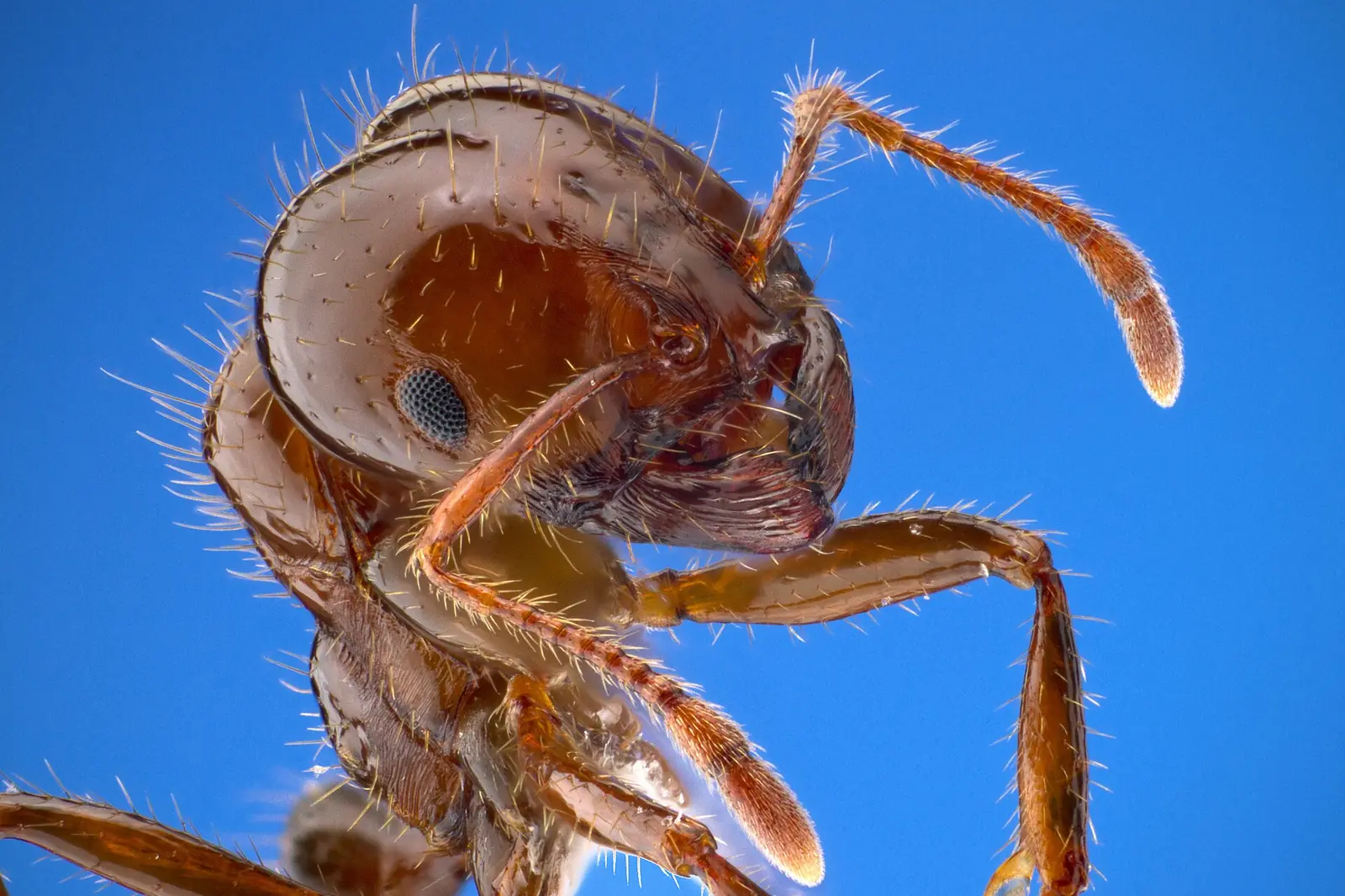
The Redland is the last great agricultural district in coastal South Florida — avocado and mango groves, ornamental nurseries, row crops running to the Everglades edge — and it functions as a permanent pest reservoir pressing against Homestead’s residential streets. Rodents are the clearest case: groves and packing sheds feed and shelter roof rats at agricultural scale, and every cool front sends waves of them testing the nearest subdivisions’ garages, sheds and attic vents. Fire ants love farm country’s disturbed, sunny ground and irrigation, and each new subdivision cut from former farmland inherits the infestation with its sod — then summer floods raft whole colonies onto streets that looked clean the week before. Even the mosquito math is agricultural: irrigation ditches, retention ponds, equipment ruts and the Everglades’ seasonal sheet flow keep South Dade supplied, with the county’s aerial and truck programs handling the regional load while yard barriers fight the shaded resting sites at home.
The structures tell a three-era story. Downtown’s surviving older blocks and Florida City’s frame stock carry drywood termite risk in the classic South Dade pattern — pellet piles, kick-out holes, warm-evening swarms — while Formosan subterranean termites, well established across Miami-Dade, raise the stakes on any mud evidence: their carton nests can persist inside walls without soil contact and their colonies do damage on a different clock. The post-Andrew rebuild vintage — huge tracts re-slabbed and re-roofed in the mid-1990s — is now three decades past its soil pretreatments, putting whole neighborhoods into the re-evaluation window together. And the boom subdivisions — Waterstone, Oasis, Malibu Bay, Baywinds Cove — run the new-build sequence: ghost and big-headed ants in fresh stucco, fire ants in new sod, and builder pretreats starting their ten-year countdown. Add German cockroach pressure through the Campbell Drive and US-1 corridor kitchens and the farmworker-housing stock that deserves the same documentation-grade treatment as any address, and Homestead dispatch is a species question first, an era question second.
Where does pest pressure concentrate around Homestead?
- The Redland edge & Krome Avenue corridor (33030, 33031): grove-to-garage rodent waves, agricultural fire ant reservoirs, nursery-adjacent ant pressure.
- Downtown Homestead & Florida City (33030, 33034): older frame and rebuilt blocks — drywood pellet checks, Formosan-aware mud-evidence inspections, corridor roach programs.
- The post-Andrew tracts (33033, 33035): synchronized mid-90s slabs three decades past pretreat — neighborhood-wide re-evaluation window.
- Waterstone & Oasis (33033, 33035): new-sod fire ants, stucco ghost ants, builder-pretreat countdowns, retention-lake mosquitoes.
- Keys Gate & the golf corridor (33035): irrigated-turf fire ants, lake-margin mosquito resting sites, association scheduling.
- The US-1 & Campbell Drive commercial seams: restaurant and rental kitchens — documented German roach cleanouts, dumpster-line rodent pressure.
What kind of help can the line dispatch in Homestead?
Termite control
Species-first inspections across drywood, native subterranean and Formosan evidence — era-aware, method second.
Ant control
Ghost and big-headed ant baiting for stucco seams; no colony-scattering sprays.
Rodent control
Farm-edge exclusion — sheds, garages and attic vents sealed against the grove commute.
Roach extermination
German roach programs for corridor kitchens and rental stock; palmetto bug harborage work.
Fire ant treatment
Broadcast baiting for new-sod subdivisions, HOA turf and post-flood reinvasion waves.
Commercial & emergency
Packing operations, corridor restaurants and property managers routed to commercial-capable operators, after-hours included.
How does the Homestead dispatch actually work?
You call the line
Tap (863) 445-9190 any hour. A coordinator answers — describe the pest, the property and your ZIP.
The problem gets matched
A Waterstone fire ant lawn routes to a broadcast-baiting crew; Redland-edge shed rodents route to an exclusion operator; mud evidence routes to a Formosan-aware termite inspector. Matching runs on species and setting.
A licensed operator takes over
An independent, FDACS-licensed and insured South Dade exterminator contacts you, inspects, and quotes directly.
You decide
No obligation. If their plan works for you, they treat. The dispatch call costs nothing either way.
Mounds after every rain? Something commuting in from the grove?
The line answers 24/7 and matches you with a licensed South Miami-Dade operator.
One tap. One call. Matched.
(863) 445-9190Tap to call — 24/7 dispatch
Free to call. The licensed operator gives the quote.
Homestead pest questions, answered straight
Our subdivision was farmland five years ago. Why are the fire ants endless?
Our house was rebuilt after Andrew in 1994. Where does that leave us on termites?
Rats keep raiding the shed even though the house is sealed tight. Do we just live with it?
What does pest control cost in Homestead?
Disclosure
Lakeland Exterminators is a pest control dispatch and referral service, not a licensed pest control operator. All inspections, quotes and treatments in Homestead are performed by independent pest control operators licensed by the Florida Department of Agriculture and Consumer Services (FDACS) and insured in their own name. Calling the dispatch line is free and creates no obligation; the licensed local exterminator you’re matched with sets their own pricing and terms.
Nearby: Miami, Fort Lauderdale, Naples · All Florida service areas