Lake Wales sits on the Lake Wales Ridge, an ancient chain of sand dunes running down the spine of Polk County that produces some of the deepest, best-drained sandy soil in Central Florida. That geology cuts two ways for termite pressure: the well-drained ridge soil favors drywood termites, which do not need soil contact and instead colonize dry attic framing and exposed wood directly, while the low-lying areas around Lake Wales’ namesake lakes retain enough moisture to support subterranean termite activity as well. Lakeland Exterminators connects Lake Wales homeowners with FDACS-licensed pest control providers who handle residential termite inspection and treatment throughout the ZIP codes surrounding the city.
Dealing with a pest problem right now?
📞 Call now — get matched with a licensed local exterminator: (888) 295-0220When you call, stay on the line for a few seconds while we match you with the licensed local exterminator for your area. Have your address and a quick description of the problem ready.
Licensed local pros · Fast response, subject to availability · No obligation
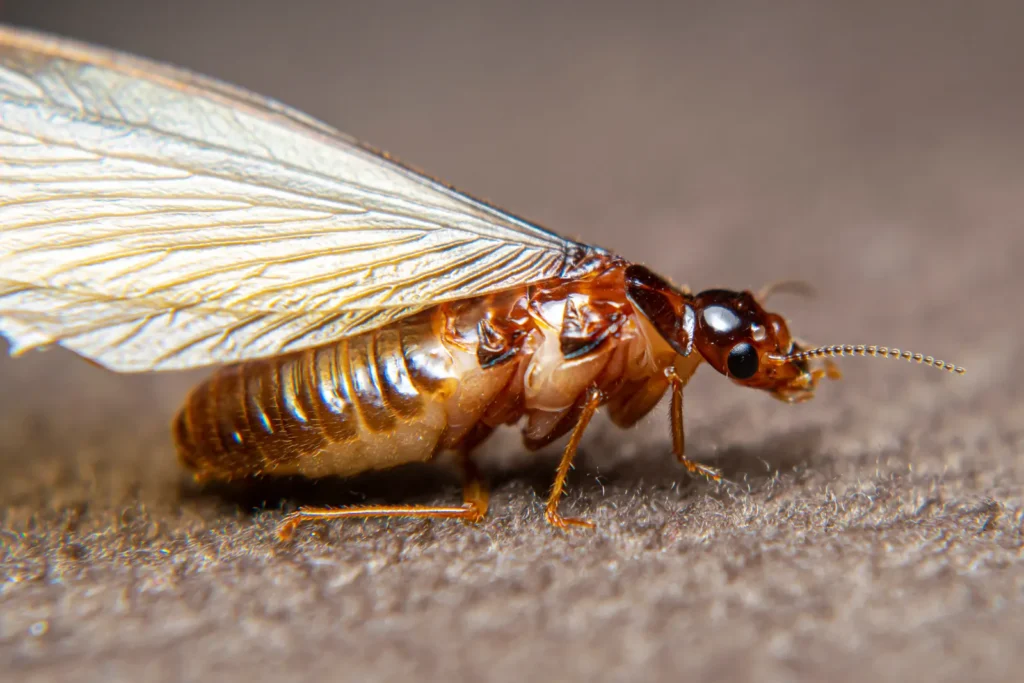
A Ridge City With Two Termite Pressures at Once
Most Polk County cities deal primarily with subterranean termite pressure driven by moist, clay-influenced soil. Lake Wales is different. The Ridge’s deep sandy soil drains quickly and holds far less moisture than lower-lying parts of the county, which reduces subterranean termite activity in some neighborhoods but does nothing to slow drywood termites, which infest seasoned wood in attics, roof framing, and furniture regardless of ground moisture. Homes near Lake Wailes, Lake Wales, and the historic Bok Tower Gardens area – many built with older wood-shake or exposed-beam attic construction – can carry meaningful drywood termite exposure even when the surrounding soil is relatively dry.
At the same time, properties closer to the lake shorelines and drainage retention areas sit on more consistently damp soil, keeping subterranean termite pressure very much alive in those specific pockets of the city. The practical result is that a Lake Wales termite inspection needs to account for both attic-level drywood risk and ground-level subterranean risk, rather than assuming one or the other.
Signs of Termite Activity in Lake Wales Homes
Small Piles of Termite Frass in Attics or Closets
Drywood termites push pellet-shaped frass out of small kick-out holes as they excavate wood from the inside, so small sand-like piles beneath attic framing, window sills, or closet shelving are a strong indicator of drywood activity common on the Ridge.
Mud Tubes Near Lakeshore-Adjacent Foundations
For homes closer to the water, pencil-width mud tubes along the foundation or crawl space piers point to subterranean activity taking advantage of the higher moisture near the shoreline.
Blistered or Sunken Wood Surfaces
Both termite types can leave wood surfaces looking blistered, sunken, or slightly rippled even when the outer paint layer is intact, since the damage happens beneath the surface first.
Check Termite Service Availability in Your Lake Wales ZIP Code
Lakeland Exterminators matches Lake Wales homeowners with an FDACS-licensed pest control provider for a residential termite inspection. Confirm coverage in your ZIP code before requesting an appointment.
How Dispatch Works for Termite Service in Lake Wales
Lakeland Exterminators is a dispatch and referral service, not a licensed pest control company. When a Lake Wales homeowner requests termite service through this site, the request is routed to an FDACS-licensed local provider who evaluates whether drywood, subterranean, or both types of activity are present and handles the inspection and any follow-up directly. Confirming your ZIP code first helps match you with a provider familiar with your specific part of the Ridge, whether that is a hillside neighborhood, a lakeshore lot, or a home near historic downtown. See the full Lake Wales pest control overview for general service coverage across the city.
Older Ridge-Area Homes and Attic Construction
Many homes in Lake Wales’ older neighborhoods, particularly those built before the mid-1900s near downtown and around Bok Tower, feature original wood-shake roofing, open-beam attic framing, or older furniture that has never been treated for drywood termites. A wood-destroying organism (WDO) inspection that specifically checks attic spaces, not just ground-level framing, is especially important for this housing stock and is a standard requirement during real estate transactions in this part of Polk County.
Reducing Termite Risk Between Inspections
Homeowners can reduce drywood exposure by sealing gaps around attic vents and exposed roof framing, and reduce subterranean exposure by keeping mulch and irrigation away from foundations near the lakeshore. Since Lake Wales carries both pressures, a combined approach works better than addressing only one. Countywide termite and soil-moisture trends are tracked on the Polk County pest and termite pressure report.
Frequently Asked Questions
Why does Lake Wales have both drywood and subterranean termite risk?
The city sits on the Lake Wales Ridge, whose deep sandy soil drains quickly and favors drywood termites in attics and exposed wood, while lower areas near the lakes retain enough moisture to support subterranean termite colonies as well.
How often should a Lake Wales home be inspected for termites?
An annual wood-destroying organism inspection covering both attic and ground-level framing is recommended given the dual termite pressure in this part of Polk County, with an additional inspection around any real estate transaction.
Can drywood termites be present even if my soil is dry?
Yes. Drywood termites do not require soil contact and can infest seasoned attic wood, roof framing, and furniture regardless of how dry the surrounding ground is.
Do lakeshore homes in Lake Wales carry more subterranean termite risk?
Properties closer to the lake shorelines and retention areas typically sit on damper soil than ridge-top homes, which can support more active subterranean termite pressure at ground level.
What does a wood-destroying organism inspection check for?
A WDO inspection documents visible evidence of termites, wood-decay fungi, and other wood-destroying pests across accessible areas of a structure, including attic spaces, and is commonly required during home sales in Polk County.
How do I get matched with a termite provider in Lake Wales?
Confirm your ZIP code through this site and your request is routed to an FDACS-licensed pest control provider actively servicing your part of Lake Wales for a residential termite inspection or treatment.
Ready to Confirm Service in Lake Wales?
One call reaches a licensed, local exterminator who covers your address — and a real person answers, 24/7.