Every spring, Polk County homeowners see the same thing: a sudden cloud of winged insects near a foundation, a porch light, or a window, and the same question follows – does a termite swarm mean my house is infested right now, or does it mean something else entirely? The honest answer is more nuanced than either “panic” or “ignore it,” and understanding what swarm season actually signals helps put the right amount of urgency behind the right response.
Dealing with a pest problem right now?
📞 Call now — get matched with a licensed local exterminator: (888) 295-0220When you call, stay on the line for a few seconds while we match you with the licensed local exterminator for your area. Have your address and a quick description of the problem ready.
Licensed local pros · Fast response, subject to availability · No obligation
What a Swarm Actually Is
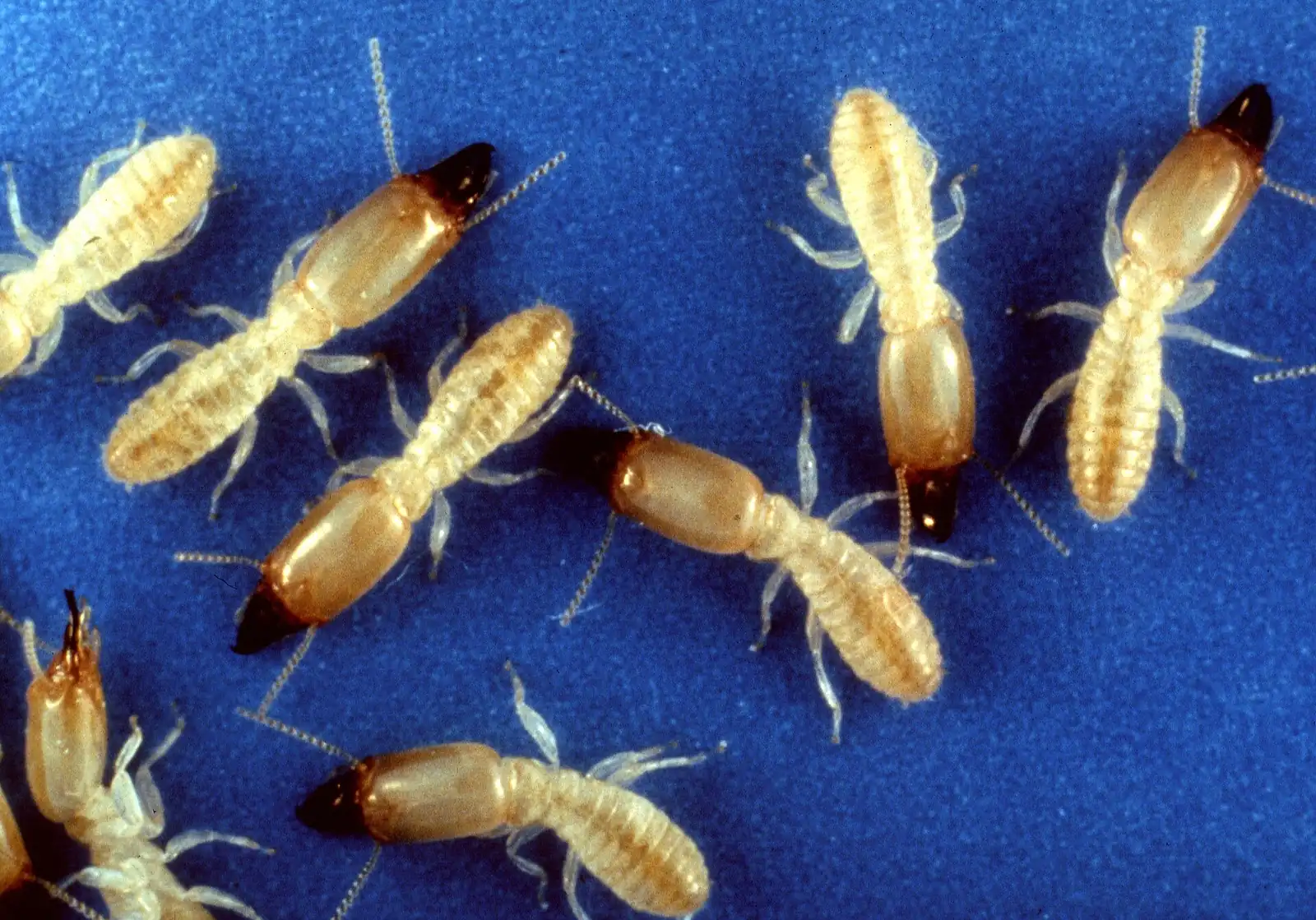
A termite swarm is a mature subterranean termite colony releasing its reproductive members – winged, fertile termites – to leave the nest, mate, and attempt to establish new colonies elsewhere. It is a natural, recurring life-cycle event, not a sign that a colony has just newly appeared. In Florida, subterranean termite colonies typically need several years of underground development before they are mature enough to produce a swarm at all.
What a Swarm Near Your Home Does and Doesn’t Tell You
It doesn’t automatically mean your house is infested
Swarmers are weak fliers and often travel only short distances from the colony that produced them, but a swarm on or near your property could be coming from a colony under your slab, from a colony in a neighboring yard, or even from a nearby stump or dead tree with no connection to any structure at all.
It does mean a mature colony is active somewhere nearby
Because swarming requires colony maturity, a swarm event confirms that established subterranean termite activity exists close enough to reach your property – which is worth following up on with an inspection, even if the colony itself turns out not to be inside your home.
Indoor swarming is a more direct signal
A swarm that occurs inside the house – emerging from a baseboard, window frame, or expansion joint in a slab – is a considerably stronger indicator of an active colony within the structure itself, compared to swarmers simply seen flying around an exterior light at dusk.
Why Timing Matters for What You Do Next
Florida’s subterranean termite swarm season generally runs through the warmer, more humid months, often triggered by rain following a dry spell. Because Polk County sits in a dual-pressure zone with both native subterranean termite activity and separate drywood termite pressure, the timing of a swarm – along with where it occurred and how the swarmers behaved – gives an inspector useful context before they even arrive. Noting the date, time of day, and location of any swarm you observe is worth doing before you call, since that detail helps narrow down what an inspector should look for first.
What an Inspection After a Swarm Actually Checks For
A licensed inspector looks well beyond the swarm itself: mud tubes on foundation walls or piers, damaged or hollow-sounding wood, moisture conditions that favor termite activity, and any existing treatment history on the property. See our WDO inspection guide for the full scope of what that assessment covers, and our subterranean termite treatment overview for Polk County for background on the species and treatment approaches common locally.
Should Swarm Season Change Your Annual Inspection Timing?
Many Polk County pest professionals recommend scheduling an annual WDO inspection ahead of the typical spring swarm window rather than after it, so that any conducive conditions – soil-to-wood contact, moisture issues, gaps in an existing treated zone – get addressed before swarm season rather than discovered because of it. If you already have an active termite bond, confirming your provider’s inspection is scheduled appropriately relative to local swarm timing is a reasonable question to ask directly.
Frequently Asked Questions
Does seeing termite swarmers in my yard mean my house has termites?
Not necessarily on its own. It confirms a mature colony is active somewhere nearby, but that colony could be in your yard, a neighbor’s yard, or an old stump, rather than under your home specifically. An inspection is the way to find out for certain.
What time of year do subterranean termites swarm in Polk County?
Generally during the warmer, more humid months, often triggered by rain following a dry stretch, though exact timing varies year to year with weather conditions.
Is an indoor swarm more serious than an outdoor one?
Generally, yes. Swarmers emerging from inside the structure – a baseboard, window frame, or slab joint – point more directly to an active colony within the home itself, compared to swarmers simply seen outdoors.
Should I try to treat a swarm myself with store-bought spray?
Killing the visible swarmers with a household spray does not address the underlying colony, which is the actual source of any structural risk. A licensed inspection identifies what is actually happening below the surface.
Does having a termite bond mean I don’t need to worry about swarm season?
An active bond with regular inspections significantly reduces risk, but confirming your inspection schedule lines up sensibly with local swarm timing is still a reasonable conversation to have with your provider.
Get a Licensed Inspection for Your Polk County Home
One call reaches a licensed, local exterminator who covers your address — and a real person answers, 24/7.
One call reaches a licensed, local exterminator who covers your address — and a real person answers, 24/7.
Disclaimer: Lakeland Exterminators is a free referral and dispatch service. We connect Polk County callers with FDACS-licensed pest control operators under Chapter 482, Florida Statutes. We are not a licensed pest control operator and do not perform treatment ourselves.