Pest problem in St. Pete? One call reaches a licensed operator who knows craftsman bungalows, alleys and salt air.
St. Petersburg’s charm is its problem: a huge inventory of 1920s craftsman bungalows in Old Northeast, Kenwood and Historic Uptown — original heart pine, raised floors, alley access — sitting in a humid coastal city that never freezes. Beautiful for porches, generous to termites and rats. The 24/7 dispatch line matches you with an FDACS-licensed exterminator who treats these exact structures every week.
Talk to a live dispatch coordinator now
Pellets on a windowsill, scratching over the lath-and-plaster, palmetto bugs up from the alley — describe it and get routed to an independent, licensed and insured operator covering your St. Pete ZIP.
(863) 445-9190Tap to call — 24/7 dispatch
Free to call. Free to get matched. The licensed operator you’re matched with gives the quote.
24/7 line · A real person answers · Availability of same-day and emergency service depends on the provider.
Need pest control in St. Petersburg, FL? Call (863) 445-9190 and a dispatch coordinator matches you with an FDACS-licensed exterminator serving St. Pete’s historic districts, mid-century grid and waterfront — termite, roach, rodent, ant and mosquito work. Lakeland Exterminators is a dispatch service: the licensed local operator you’re matched with inspects, quotes and treats.
What do 1920s bungalows and 2020s pests have to do with each other?
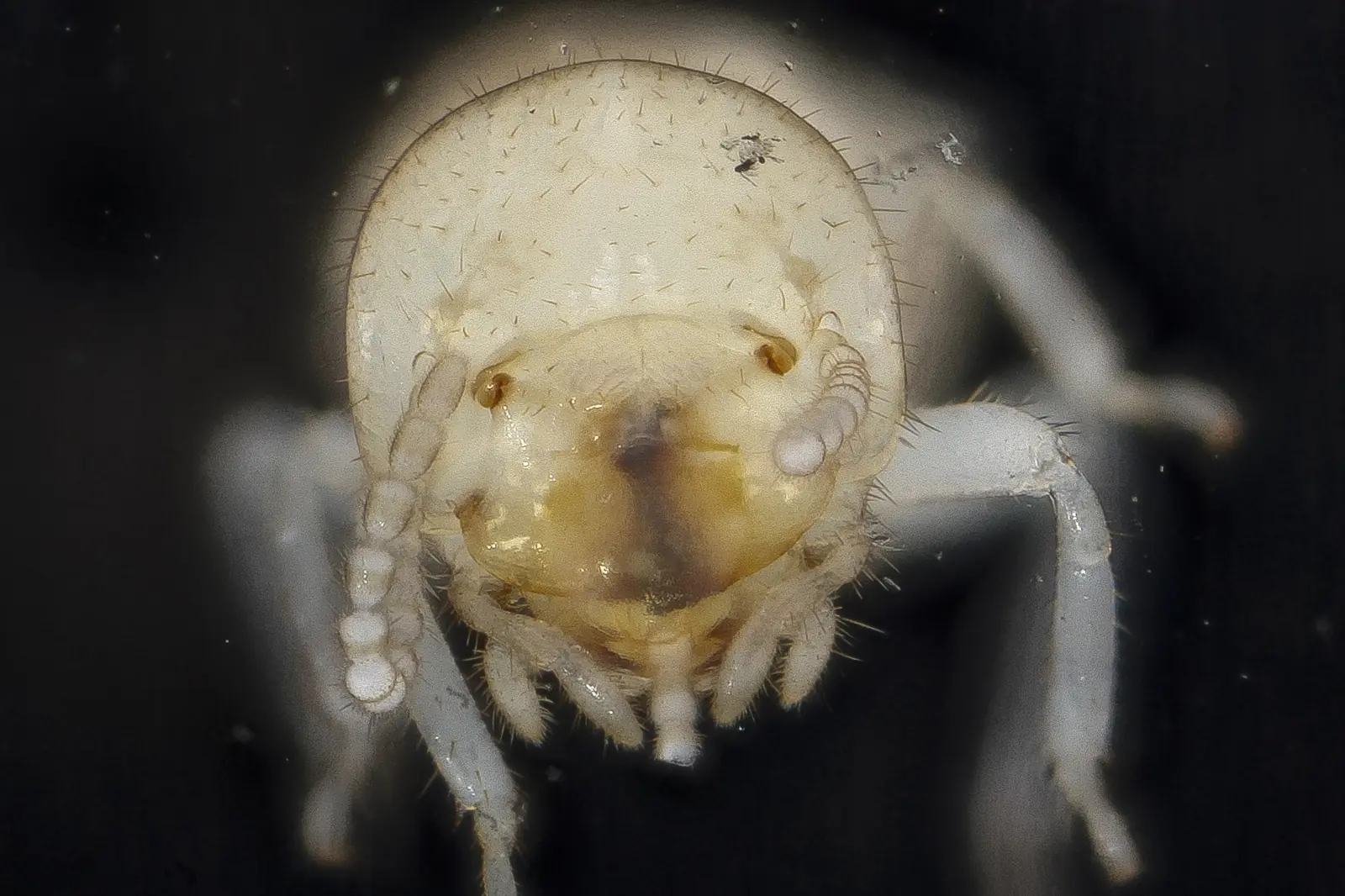
Everything. St. Pete’s historic districts were framed in old-growth pine a century ago, much of it on raised pier foundations with ventilated crawl spaces — construction that both subterranean termites (mud tubes up the piers) and drywood termites (colonies inside original window frames, fascia and porch framing) exploit relentlessly. A coastal city block can carry both species on the same street, and they need entirely different treatments — soil and colony work for one, fumigation-or-local-treatment decisions for the other. That species call is the single most valuable thing a licensed inspector does in this city.
The alley system that makes Kenwood and Old Northeast so walkable is also a rodent interstate — roof rats move along fences and power drops between trash corrals and mature trees, then enter attics at unscreened gable vents. Palmetto bugs (American and smokybrown roaches) breed in storm sewers, water meters and palm boots citywide and wander indoors on summer nights. In flood-prone pockets like Shore Acres, every major rain event displaces ant colonies and roaches into houses for a week afterward. And the city’s patio-dining boom keeps German cockroach and fly programs running behind the Central Avenue and EDGE District restaurant rows.
How does pest pressure map across St. Pete?
- Old Northeast, Kenwood, Historic Uptown, Crescent Heights: pier-and-beam bungalows — both termite species, alley rats, palmetto bugs from mature landscaping.
- Shore Acres, Snell Isle, Coquina Key: low-elevation waterfront — post-flood pest displacement, mosquitoes off mangrove and seawall edges, ant recolonization after storms.
- Central Avenue corridor, EDGE District, Grand Central: restaurants and mixed-use — German roach programs on commercial cadence, dumpster-line rodent control.
- Pinellas Point, Lakewood Estates, mid-century south side: 1950s–60s block ranches — big-headed ants, subterranean termites at slab joints, roof rats in oak canopy.
- Tyrone, Jungle Terrace, west side: mixed-age stock near Boca Ciega — drywood finds in older soffits, fire ants in sandy lawns.
North county? See the Clearwater dispatch page.
What kind of help can the line dispatch in St. Petersburg?
Termite control
Subterranean colony treatment for pier foundations and slabs — the historic-district specialty.
Drywood termite evaluations
Frass ID and colony mapping in original frames and fascia, with honest treatment-path guidance.
Rodent control
Alley-corridor roof rat trapping and exclusion — gable vents, fence lines and canopy contact points.
Roach extermination
German roach cleanouts for restaurants and rentals; perimeter programs for storm-sewer palmetto bugs.
Ant & fire ant control
Post-flood recolonization baiting, big-headed ant work on mid-century slabs, lawn fire ant programs.
Commercial & emergency
Restaurant rows and after-hours situations routed to operators running commercial accounts.
How does the St. Pete dispatch actually work?
You call the line
Tap (863) 445-9190 any hour. A coordinator answers — describe the pest, the structure and your ZIP.
The problem gets matched
A pier-foundation bungalow needs a different termite inspector than a Tyrone slab ranch. Matching runs on species and structure age.
A licensed operator takes over
An independent, FDACS-licensed and insured Pinellas exterminator contacts you, inspects, and quotes directly.
You decide
No obligation. If their plan works for you, they treat. The dispatch call costs nothing either way.
Mud tubes on a pier? Rats in the alley oaks?
The line answers 24/7 and matches you with a licensed St. Pete-area operator.
One tap. One call. Matched.
(863) 445-9190Tap to call — 24/7 dispatch
Free to call. The licensed operator gives the quote.
St. Pete pest questions, answered straight
My Kenwood bungalow has both mud tubes on a pier and pellets on a windowsill. Two problems?
After the last flood event, my Shore Acres kitchen filled with ants. Coincidence?
Are the giant roaches on my porch at night breeding inside my house?
What does pest control cost in St. Petersburg?
Disclosure
Lakeland Exterminators is a pest control dispatch and referral service, not a licensed pest control operator. All inspections, quotes and treatments in St. Petersburg are performed by independent pest control operators licensed by the Florida Department of Agriculture and Consumer Services (FDACS) and insured in their own name. Calling the dispatch line is free and creates no obligation; the licensed local exterminator you’re matched with sets their own pricing and terms.
Nearby: Clearwater, Tampa, Bradenton.
St. Petersburg service guides: Termite treatment, Rodent control, Roach control, Mosquito control · All services