Pest problem in West Palm Beach? The 1920s historic districts and the Everglades’ eastern edge play tug-of-war over your house.
West Palm Beach is pulled from two directions. To the east, the boom-era historic districts — Flamingo Park, Old Northwood, Grandview Heights — hold nearly a century of frame and Mediterranean-revival wood in prime drywood termite territory. To the west, the city runs out into Grassy Waters Preserve, the remnant Everglades marsh that supplies the drinking water and a permanent mosquito baseline. In between: ghost and big-headed ants in every stucco seam, roof rats in the mango and palm canopy, and German roach pressure along the Dixie and Clematis corridors. The 24/7 dispatch line matches you by ZIP with an FDACS-licensed exterminator who knows which pull your street feels.
Talk to a live dispatch coordinator now
Pellets on a Flamingo Park windowsill, ants over a Northwood kitchen, mosquitoes owning an Ibis lanai at dusk — describe it and get routed to an independent, licensed and insured operator covering your West Palm Beach ZIP.
(863) 445-9190Tap to call — 24/7 dispatch
Free to call. Free to get matched. The licensed operator you’re matched with gives the quote.
24/7 line · A real person answers · Availability of same-day and emergency service depends on the provider.
Need pest control in West Palm Beach, FL? Call (863) 445-9190 and a dispatch coordinator matches you with an FDACS-licensed exterminator serving West Palm Beach and Palm Beach County — termite, ant, roach, rodent, fire ant and mosquito work from Flamingo Park and Northwood to the western communities along Okeechobee and Northlake. Lakeland Exterminators is a dispatch service: the licensed local operator you’re matched with inspects, quotes and treats.
Why do the historic districts carry West Palm’s heaviest termite risk?
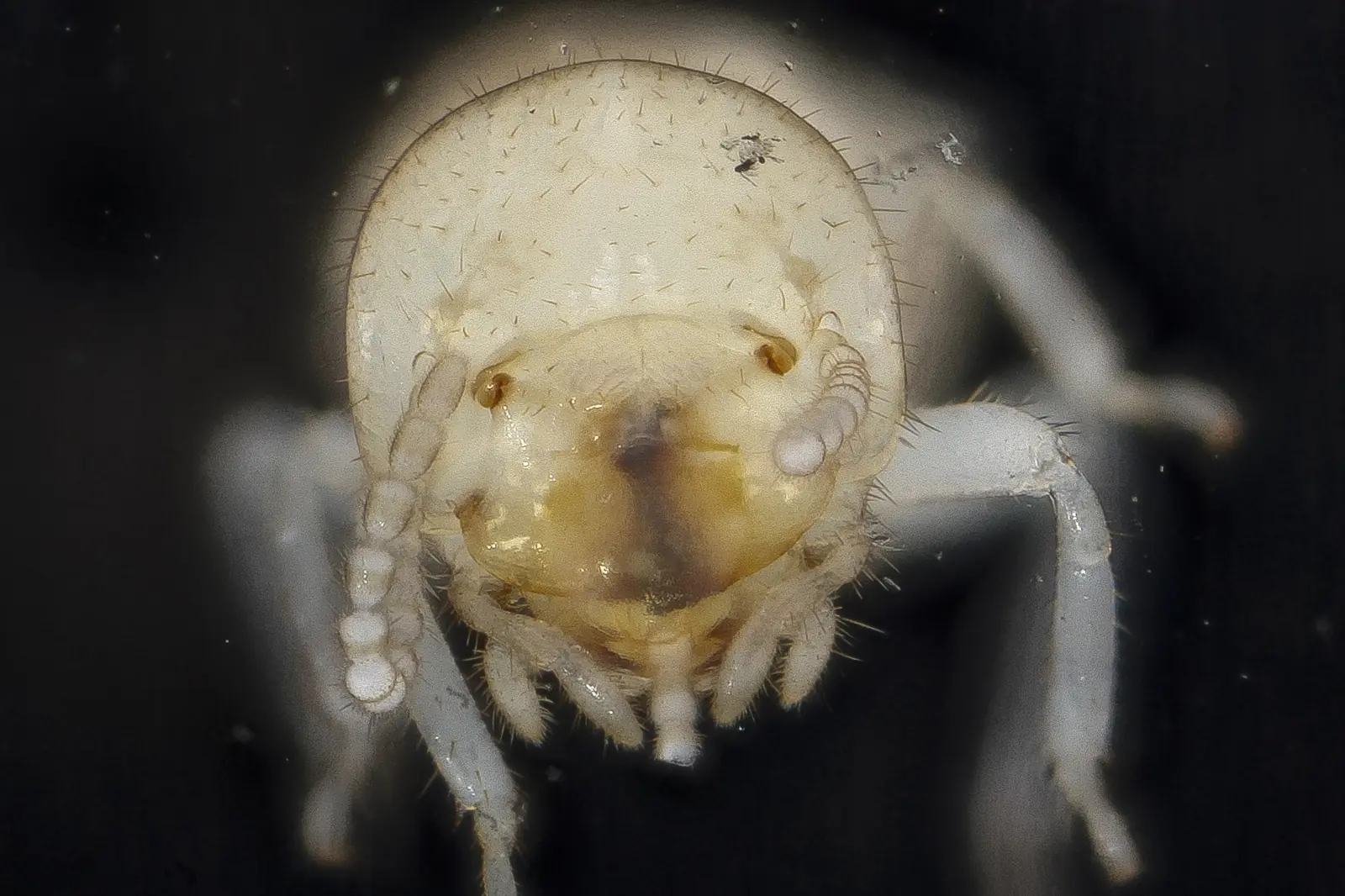
Flamingo Park, Old Northwood, Grandview Heights, El Cid — the neighborhoods that survived from the 1920s boom are museum-quality drywood termite habitat: original Dade County pine framing, decades of trim carpentry, and roof structures that have hosted swarm flights every warm season since Prohibition. Drywoods leave no mud; the evidence is pepper-grain pellet piles under kick-out holes at windowsills, crown molding and attic framing, and the honest treatment question is always scope — a localized colony can sometimes be spot-treated, while findings in multiple separated rooms make it a structure-level conversation that should be justified with a documented map. The irony of the historic districts is that the old-growth pine is actually harder wood than anything milled today — but ninety years of access beats density, and renovation season is when hidden galleries surface. Meanwhile Formosan subterranean termites have an established South Florida presence, so mud evidence at slabs and piers raises different, urgent questions — species ID first, always.
West of the city’s historic core, the pest map turns suburban and wet. The gated communities along Okeechobee Boulevard and Northlake — Ibis, RiverWalk, Andros Isle, Baywinds — border Grassy Waters Preserve, twenty-plus square miles of protected Everglades marsh that no one treats and every mosquito respects: barrier programs here honestly target resting sites on your property, not the marsh supply. The same communities run classic South Florida ghost and big-headed ant pressure through stucco seams and sidewalk joints, fire ants in irrigated turf, and preserve-edge rodent probing. Back east, mango and royal palm canopies keep roof rats commuting through Northwood and SoSo yards, and the Clematis and Dixie Highway corridors’ restaurant rows sustain the German cockroach pressure that leaks into every adjacent block. Two cities, one name — and the dispatch line’s first question is which one you’re calling from.
Where does pest pressure concentrate around West Palm Beach?
- Flamingo Park & Grandview Heights (33401, 33405): boom-era pine framing — drywood pellet inspections at windows, molding and attic structures are due diligence.
- Old Northwood & Northwood Shores (33407): Mediterranean-revival wood, mango-canopy roof rats, renovation-season termite discoveries.
- El Cid & SoSo along the Intracoastal (33401, 33405): waterfront rodent runs, association drywood decisions, landscaped mosquito resting sites.
- Clematis & the Dixie corridor: restaurant-row German roach pressure feeding adjacent residential blocks; documented commercial programs.
- Ibis, Baywinds & the Grassy Waters rim (33412): preserve-edge mosquitoes, stucco ghost ants, fire ants in irrigated turf.
- The mid-century grids off Southern & Forest Hill (33405, 33406): expired-pretreat slabs — subterranean swarm-season calls and slab-edge checks.
What kind of help can the line dispatch in West Palm Beach?
Termite control
Historic-district drywood mapping and spot-vs-structure honesty; subterranean and Formosan work on the slabs.
Ant control
Ghost and big-headed ant baiting for stucco seams and gated-community kitchens; ID before treatment.
Rodent control
Mango-canopy roof rat exclusion — roofline sealing, attic trap-outs, fruit management.
Roach extermination
German roach programs for corridor kitchens and multifamily stock; palmetto bug harborage work.
Fire ant treatment
Broadcast baiting for HOA turf, parks and swales across the western communities.
Commercial & emergency
Clematis restaurants, associations and property managers routed to commercial-capable operators, after-hours included.
How does the West Palm Beach dispatch actually work?
You call the line
Tap (863) 445-9190 any hour. A coordinator answers — describe the pest, the property and your ZIP.
The problem gets matched
A Flamingo Park pellet pile routes to a drywood-fluent historic-home inspector; an Ibis mosquito siege routes to a barrier-program operator who’ll tell you what the preserve makes impossible. Matching runs on species and side of the city.
A licensed operator takes over
An independent, FDACS-licensed and insured Palm Beach County exterminator contacts you, inspects, and quotes directly.
You decide
No obligation. If their plan works for you, they treat. The dispatch call costs nothing either way.
Pellets in the historic district? Mosquitoes off the preserve?
The line answers 24/7 and matches you with a licensed Palm Beach County operator.
One tap. One call. Matched.
(863) 445-9190Tap to call — 24/7 dispatch
Free to call. The licensed operator gives the quote.
West Palm Beach pest questions, answered straight
We’re restoring a Flamingo Park bungalow. When should termites enter the plan?
Our community backs up to Grassy Waters. Is mosquito treatment pointless?
Big-headed ants leave little dirt piles along our pavers every morning. Sprays haven’t worked. Why?
What does pest control cost in West Palm Beach?
Disclosure
Lakeland Exterminators is a pest control dispatch and referral service, not a licensed pest control operator. All inspections, quotes and treatments in West Palm Beach are performed by independent pest control operators licensed by the Florida Department of Agriculture and Consumer Services (FDACS) and insured in their own name. Calling the dispatch line is free and creates no obligation; the licensed local exterminator you’re matched with sets their own pricing and terms.
Nearby: Wellington, Jupiter, Boynton Beach · All Florida service areas
West Palm Beach service guides: Termite treatment in West Palm Beach · All services