
If you live in one of Lakeland’s historic tile-roof neighborhoods — Cleveland Heights, the Lake Hollingsworth shoreline, Lake Morton, or the Dixieland historic blocks — you’re in the part of Polk County where roof rat (Rattus rattus) pressure runs heaviest. These neighborhoods combine three things roof rats need: 1920s–1960s Spanish/Mediterranean barrel-tile roofing, decades-old live oak canopy, and mature landscaping with citrus and palm trees close to the house. This page looks specifically at what makes these historic districts different from newer South Lakeland subdivisions, and what a licensed inspector looks for on a tile-roof home in this part of the city.
Dealing with a pest problem right now?
📞 Call now — get matched with a licensed local exterminator: (888) 295-0220When you call, stay on the line for a few seconds while we match you with the licensed local exterminator for your area. Have your address and a quick description of the problem ready.
Licensed local pros · Fast response, subject to availability · No obligation
Why the Historic Core Carries Heavier Roof Rat Pressure
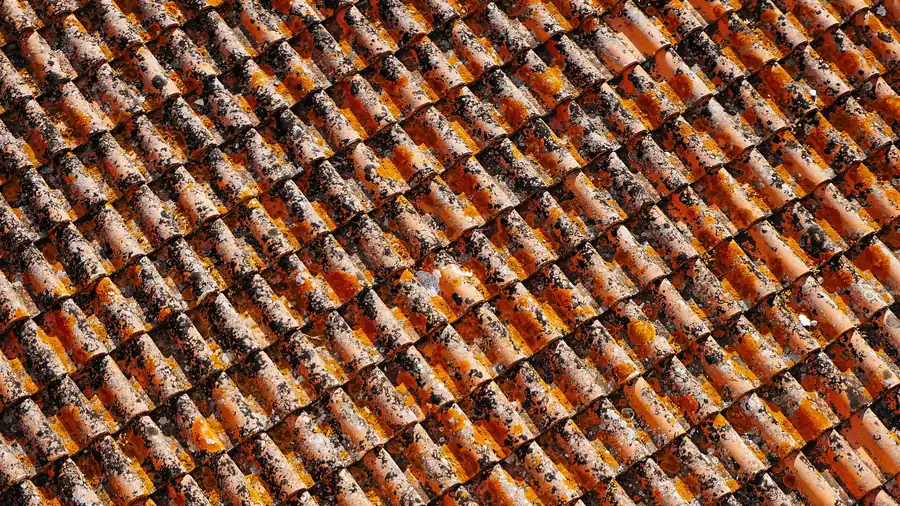
Lakeland’s oldest residential districts were built out during the 1920s Florida land boom and the following decades, when Spanish/Mediterranean Revival style — barrel tile roofs, stucco exteriors, arched details — was the dominant architectural fashion. Nearly a century later, that same tile roofing is now aging housing stock: ridge caps have shifted, valley flashing has degraded, and soffit screening installed decades ago has often failed. Add in the fact that Cleveland Heights and Lake Hollingsworth also carry Lakeland’s most mature oak canopy, and you have a district where the roofline itself is compromised and the tree cover provides a direct bridge onto it.
Cleveland Heights & Lake Hollingsworth
The homes ringing Lake Hollingsworth and the Cleveland Heights district north of it are some of Lakeland’s most architecturally significant — and some of its oldest tile roofs. Mature live oaks along Lake Hollingsworth Drive overhang many rooflines directly, giving roof rats a climbing path straight from canopy to ridge without ever touching the ground. Combined with original 1920s–1950s tile that has had decades to develop small gaps at the ridge and valley, this is one of the more difficult roof rat environments in Polk County for a homeowner to self-diagnose — the entry points are literally out of sight.
Lake Morton & Dixieland
The Lake Morton and Dixieland blocks share the same wood-frame and tile-roof construction era, at somewhat higher density than the Hollingsworth shoreline. Here, roof rats moving along fence lines, garages, and shared property-line trees can travel between adjacent homes, which means a neighbor’s untreated infestation can be a recurring source of re-entry even after one house is sealed. Dixieland’s older detached garages and storage sheds are common secondary harborage sites in addition to the main roofline.
What a Licensed Inspector Checks in These Neighborhoods
- Ridge and valley tile gaps on original or early-replacement tile roofs, which are more common in homes that have not had a full re-roof
- Oak branch contact points where canopy overhangs the roofline directly — especially along Lake Hollingsworth Drive and the Cleveland Heights golf course frontage
- Detached garages and sheds in the denser Dixieland and Lake Morton blocks
- Shared fence lines and property-line trees that can reintroduce rats from an adjacent, untreated property
- Soffit and fascia condition on original construction, where decades-old screening has often degraded
For the general Polk County picture — why tile roofs, oak canopy, and citrus trees combine to drive roof rat pressure countywide — see our companion page, Roof Rats and Tile Roofs: Why Polk County’s Architecture Drives Heavier Rodent Pressure.
Treatment Considerations for Historic Homes
Sealing a century-old tile roofline is more specialized work than sealing a 1990s asphalt-shingle roof. A dispatched FDACS-licensed operator working in Cleveland Heights or Lake Morton will typically budget more time for the exclusion phase — identifying and sealing tile gaps without damaging historic roofing material — than they would on a newer South Lakeland home. Homeowners in registered historic districts should also ask whether any exterior work requires coordination with the city’s historic preservation guidelines before tile is disturbed.
See our rodent control overview for Lakeland for the full trapping-and-exclusion process, and our rodent exclusion page for more detail on seal-out methods. If the property also needs a pre-purchase check, see WDO inspection requirements in Polk County — older tile-roof homes in this area often need both a rodent evaluation and a wood-destroying-organism inspection at the same visit.
When to Call
- Scratching or scrambling in the attic at night, especially in homes with original tile roofing
- Oak branches in direct contact with the roofline
- Droppings in the attic, garage, or detached storage shed
- A neighboring Cleveland Heights, Lake Hollingsworth, Lake Morton, or Dixieland property with known rodent activity
- Pre-purchase inspection on a historic-district tile-roof home
Related Pages
- Roof Rats and Tile Roofs: Polk County Architecture (full county view)
- Rodent Control in Lakeland
- Rodent Exclusion in Lakeland
- Exterminator in Lakeland
- WDO Inspection in Polk County
Disclaimer: Lakeland Exterminators is a local dispatch and referral service, not a licensed pest-control operator. We connect Polk County, Florida homeowners with independent, FDACS-licensed and insured pest-control companies. All inspections and treatments are performed by those independent providers, who set their own pricing, scheduling, and service terms.
Any reference to same-day, emergency, or 24/7 service describes the typical scheduling of matched independent providers and is not guaranteed; actual response times vary by provider, season, location, and demand.