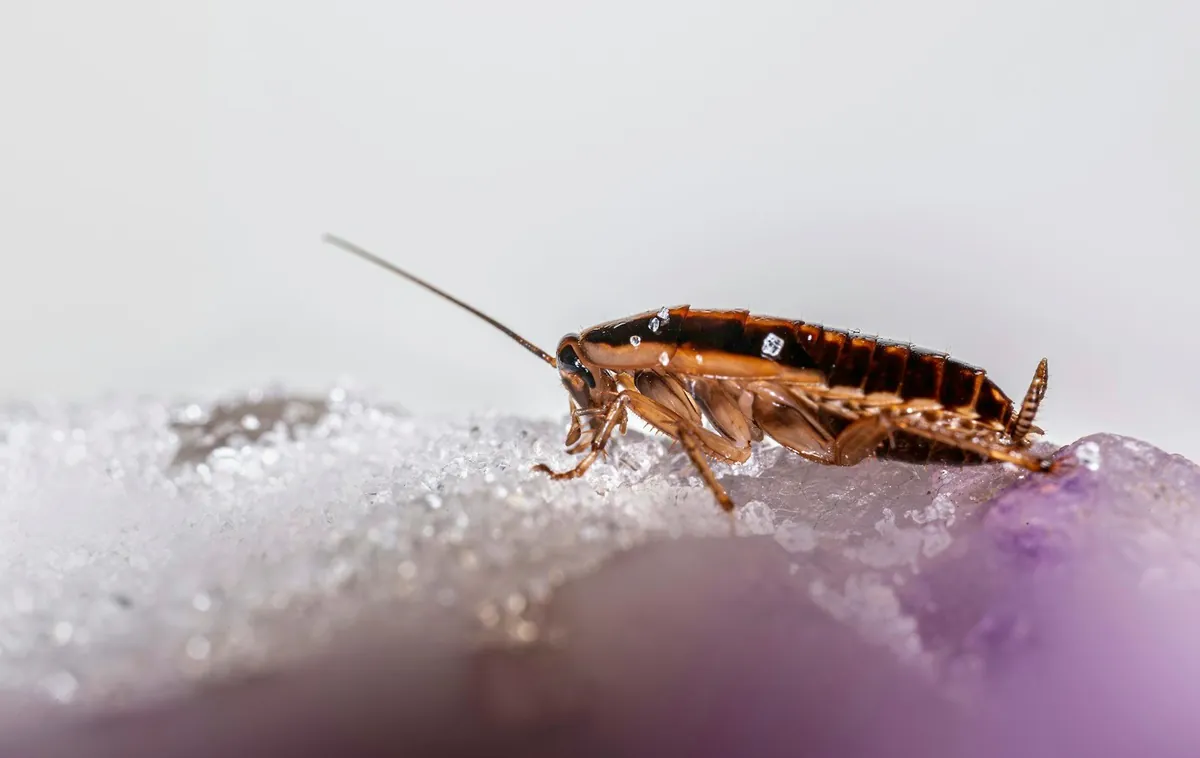
In a Lakeland kitchen, two very different roach problems wear the same word. “Roach” might mean the small tan insects that scatter when you open the cabinet and seem to multiply by the week, or it might mean the big reddish-brown one that turns up alone on the bathroom floor after dark. Those are not the same pest, and they are not the same level of concern. Telling a German roach from a palmetto bug is the first and most useful thing you can do, because the answer decides how urgent your situation is and what will actually fix it.
Dealing with a pest problem right now?
📞 Call now — get matched with a licensed local exterminator: (888) 295-0220When you call, stay on the line for a few seconds while we match you with the licensed local exterminator for your area. Have your address and a quick description of the problem ready.
Licensed local pros · Fast response, subject to availability · No obligation
This guide gives you the quick visual tell, explains where each roach lives and why that changes everything, covers why spraying German roaches backfires, and lays out the sanitation and harborage steps — plus the point at which a licensed exterminator is the practical answer in Central Florida’s year-round roach climate.
The Quick Visual Tell
You can usually identify which roach you are dealing with in a few seconds.
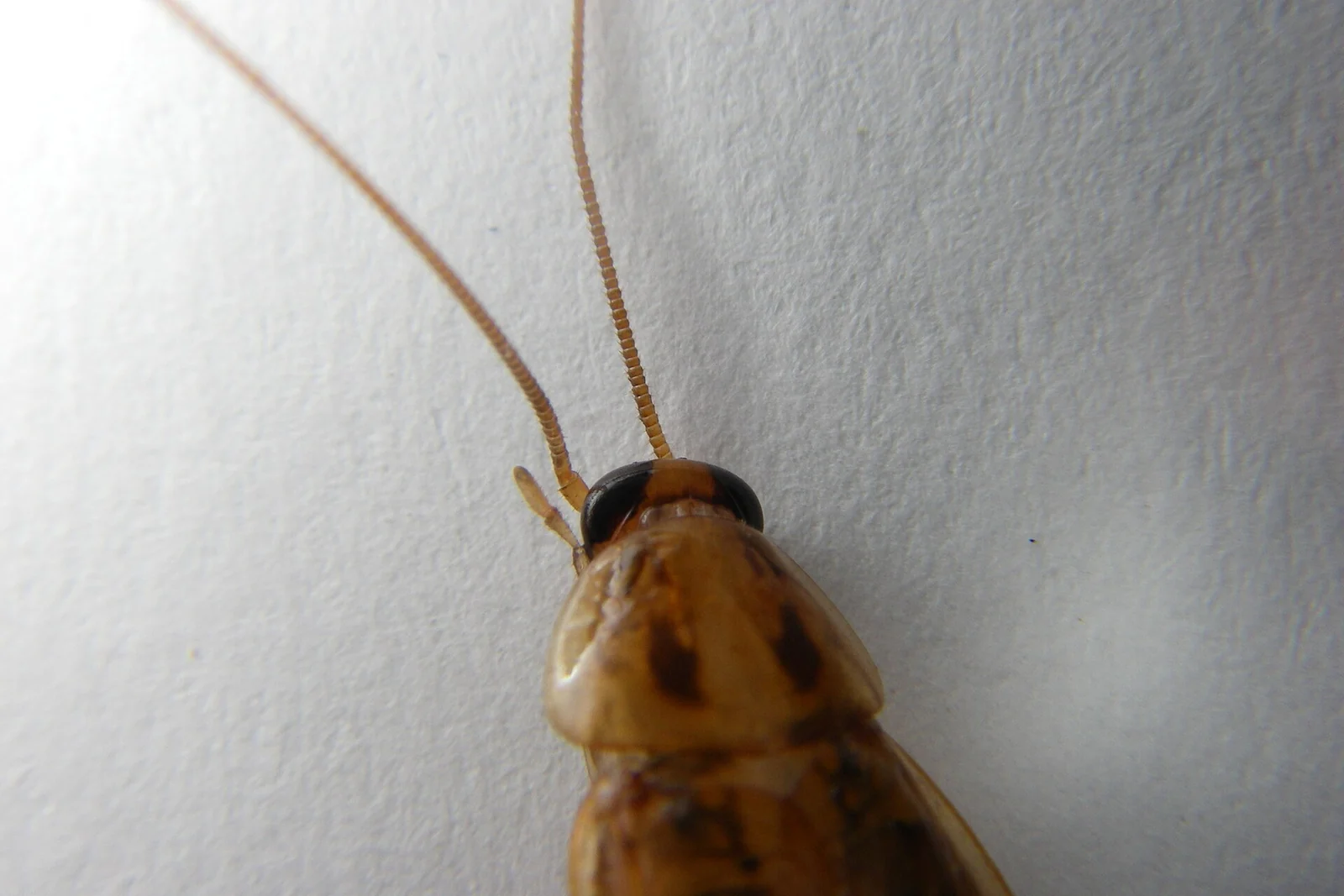
The German cockroach is small — about half an inch long — and light tan to brown, with two dark, parallel stripes running lengthwise just behind the head. You rarely see only one; they tend to appear in groups, often with smaller juveniles mixed in, clustered near food and water. The palmetto bug — a Southern nickname for large peridomestic roaches, usually the American or smokybrown cockroach — is much bigger, roughly an inch to an inch and a half, reddish-brown to dark, and typically shows up singly or in small numbers, often at night in a bathroom, garage, or near a drain.
So the shorthand is simple: small, tan, two stripes, in groups means German; large, reddish-brown to dark, usually alone means palmetto. That single distinction drives everything else.
Where Each Lives and Why It Changes Everything
The look tells you the species; the behavior tells you how worried to be. These roaches play completely different roles in a Lakeland home.
German — indoors, kitchens and baths, breeds fast
German cockroaches are indoor breeders that complete their whole life cycle inside, packed into the warm, moist, food-rich parts of the kitchen and bathroom — behind and inside appliances, under sinks, in cabinet cracks, around the dishwasher and refrigerator motor, and near the stove. They reproduce quickly; each egg case carries a few dozen eggs, and a handful of roaches can become a serious population in a matter of weeks. That makes German roaches the urgent case. If you are seeing small striped roaches in the kitchen, they are almost certainly breeding on-site, and the problem grows rather than fading. Florida’s warm, humid climate only accelerates it. For the specifics on how a professional approaches an established indoor population, see our page on German roach control in Lakeland.
Palmetto (American/smokybrown) — outdoor-origin, large, occasional
Palmetto bugs live primarily outdoors — in mulch, woodpiles, sewers, drains, palm trees, and damp landscape — and come inside as occasional invaders seeking moisture or shelter. In Central Florida they stay active year-round, and they get in through sewer and plumbing lines, gaps around doors and utility penetrations, and vegetation touching the roofline. Seeing one or two, especially after rain or a hot stretch, is common and does not usually mean an indoor breeding population. The palmetto bug is a perimeter-and-entry problem; the German roach is an interior breeding problem — which is why the same word, “roach,” can describe two very different jobs.
Why Spraying German Roaches Backfires
Finding small roaches in the kitchen makes most people reach for a spray can, and with German cockroaches that move usually makes things worse. Contact sprays scatter the population: German roaches shelter in tight, hidden harborages, and when you spray the visible ones, the rest sense the disturbance and disperse, splintering one concentrated nest into several new pockets across other rooms and wall voids. On top of that, the roaches you knock down are only the small exposed fraction — the egg cases and the bulk of the colony, hidden deep in cracks and appliances, survive and quickly repopulate.
The professional approach reverses this. Instead of repelling them, it relies on baits and insect growth regulators that roaches carry back into the harborage, reaching the hidden individuals and life stages and breaking the breeding cycle at the source. That is why a real German roach problem is hard to beat with retail products and why baiting, done correctly, is the method that actually draws the population down. It is the core of professional roach extermination in Lakeland. Not sure how the local company that ends up at your door was screened in the first place? See how we vet the pest control pros in our network.
One call reaches a licensed, local exterminator who covers your address — and a real person answers, 24/7.
Sanitation, Harborage, and When to Bring In a Pro
Denying roaches food, water, and shelter makes every other step more effective — and with German roaches, sanitation is not a nicety, it is half the solution.
On food and water, wipe up crumbs and spills promptly, store pantry items and pet food in sealed containers, skip leaving dishes or pet bowls out overnight, take out the trash regularly under a tight lid, and fix drips beneath the sink and around the dishwasher. German roaches get by on very little, so steady habits matter more than one big cleanup. On harborage, clear out the clutter they hide in — cardboard, paper bags, and packed-in items under sinks and behind appliances are prime nesting cover — and seal cracks and gaps around cabinets, baseboards, pipes, and appliances to shrink the available hiding spots.
For palmetto bugs, add the outdoor and entry-point layer: trim vegetation off the roof and siding, move mulch and woodpiles away from the foundation, keep gutters clear, seal gaps around doors and utility lines, and keep the traps in rarely-used drains filled with water so the sewer route stays closed. As for when to bring in a pro: a kitchen full of multiplying German roaches generally warrants a licensed exterminator, because retail sprays scatter them and miss the egg cases, while recurring palmetto-bug sightings warrant attention to harborage and entry points. Either way, the exterminators in our network handle this as part of broader pest control — start with the Lakeland pest control complete guide or pest control in Polk County, FL. If you have pets or children, ask the exterminator about pet-safe options when you reach them.
What to Tell the Exterminator
A few specifics make the visit far more targeted. Note the size and number — several small striped roaches at once versus an occasional large one — since that usually settles the species and the urgency. Mention the rooms: kitchen-and-bath clustering points to German, while bathrooms, garage, and drains point to palmetto. Note the time of day and whether sightings followed rain or a heat spike. And flag any egg cases (small oblong, purse-shaped capsules) or smaller juvenile roaches you have found, since those confirm an established indoor breeding population. The clearer the picture, the more precisely a pro can treat the source rather than the symptom.
One call reaches a licensed, local exterminator who covers your address — and a real person answers, 24/7.
Frequently Asked Questions
How do I tell a German roach from a palmetto bug? By size, markings, and number. German roaches are small — about half an inch — light tan with two dark stripes behind the head, and they appear in groups near food and water. Palmetto bugs are large, an inch or more, reddish-brown to dark, and usually turn up singly, often at night near drains or in a bathroom. Small-and-striped-in-groups means German; large-and-solo means palmetto.
Which is more urgent, German roaches or palmetto bugs? German roaches. They breed indoors and multiply quickly, so seeing them in the kitchen usually means a growing on-site population that worsens without treatment. Palmetto bugs are mostly occasional outdoor invaders, so a sighting or two is less urgent — though repeated appearances still warrant sealing entry points and reducing harborage.
Why do German roaches keep coming back after I spray? Contact sprays scatter them into new hiding spots and leave the egg cases and hidden colony untouched, so the population splinters and repopulates. The roaches you see are only a small fraction of the total. Professional baits and growth regulators, carried back to the harborage, reach the hidden roaches and interrupt breeding, which is why they work where sprays fail.
Are palmetto bugs the same as cockroaches? Yes. “Palmetto bug” is a regional nickname for large peridomestic cockroaches, most often the American or smokybrown species. They are true roaches that live mainly outdoors and wander inside for moisture or shelter, which distinguishes them from the German cockroach that actually breeds indoors.
Do German roaches mean my house is dirty? Not necessarily. German roaches survive on minimal crumbs and moisture and often arrive by hitchhiking in groceries, packaging, used appliances, or from a neighboring unit. Cleanliness affects how fast they spread, but even tidy homes can get them, especially in Florida’s humid climate and in multifamily housing.
Why do I see big roaches at night in Florida? Palmetto bugs are nocturnal and live outdoors, so nighttime is when they venture in and when you notice them. Central Florida’s warm, humid climate keeps them active year-round, and they enter through drains, gaps around doors and utilities, and vegetation touching the house, often in greater numbers after rain.
Can I get rid of German roaches without a professional? A very early, very small introduction can sometimes be managed with strict sanitation and well-placed gel baits, but an established kitchen population is hard to clear with retail products because sprays scatter them and miss the egg cases. A licensed exterminator using professional baits and growth regulators is usually what finally resolves it.
LakelandExterminators.com is a dispatch service. We connect callers with licensed Florida exterminators. We are not a licensed pest control company. The disclaimer in our site footer and our 24/7 dispatch caveat apply to this page.