Every summer it plays out the same way across Polk County. The afternoon storms roll in, the rain comes down in sheets for an hour, and within a day or two the roach sightings spike — a big palmetto bug on the kitchen floor, one in the bathroom, another scuttling across the lanai. If you live in Lakeland, you have probably noticed that your roach problem seems to track the weather, and you are not imagining it. Central Florida’s wet season and its roach season are the same season.
Dealing with a pest problem right now?
📞 Call now — get matched with a licensed local exterminator: (888) 295-0220When you call, stay on the line for a few seconds while we match you with the licensed local exterminator for your area. Have your address and a quick description of the problem ready.
Licensed local pros · Fast response, subject to availability · No obligation
The good news is that this surge is predictable, which means it is also manageable once you understand the mechanics. This guide explains why heavy summer rain drives roaches indoors, the routes they use to get in, why standing water and humidity make everything worse, and the exclusion-and-moisture steps that actually reduce the waves — plus when a rainy-season surge is heavy enough to hand to a licensed pro.
The Rainy-Season Roach Surge, Explained
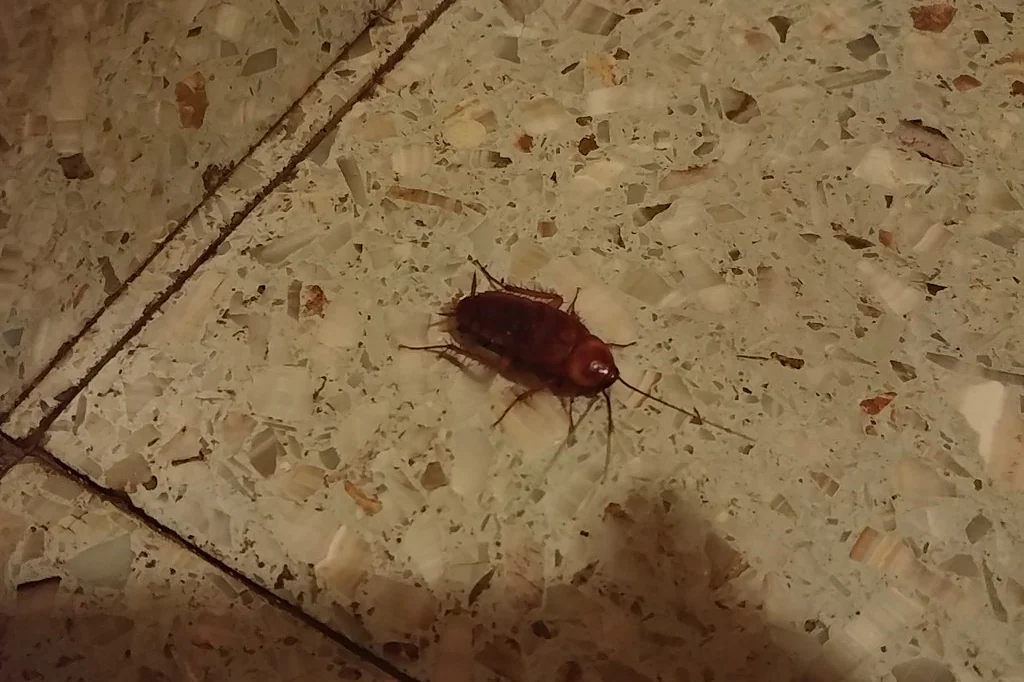
The large roaches that bother Lakeland homeowners most — the American cockroach, the smokybrown cockroach, and the other big reddish-brown insects people know as palmetto bugs — are peridomestic, meaning they live and breed primarily outdoors. Their normal habitat is the warm, damp world of mulch beds, leaf litter, woodpiles, sewers, storm drains, tree holes, and the moist space under and around your house. In Central Florida’s climate they stay active and reproducing for most of the year, so there is a substantial outdoor population pressing against the typical Polk County home at all times.
Heavy rain disrupts that outdoor world. When a storm saturates the soil and floods the mulch, sewers, and low spots where these roaches live, their habitat is suddenly waterlogged. They do what any animal does when its home floods — they move to higher, drier ground. For roaches living around your foundation, in your mulch, and in the storm drains near your home, the nearest higher, drier ground is the inside of your house. The result is a wave of indoor sightings in the day or two after a big rain, even in a clean, well-kept home, because the trigger is the weather outside, not anything you did inside.
This is why a Lakeland home can be quiet for a stretch and then see a sudden cluster of roaches right after a storm. It is not a sign that you let things slip — it is the Central Florida wet-season calendar at work, repeating with each major rain from roughly May through October.
How They Get In
Roaches do not chew through walls. They exploit openings your home already has, and a handful of routes account for most rainy-season entries across Polk County homes.
The route people least expect is the sewer and plumbing system. American cockroaches in particular thrive in sewers and drains and travel along plumbing lines into homes, coming up through floor drains, the gaps around pipe penetrations under sinks, and the dry P-traps of guest bathrooms and laundry rooms that rarely get used. When a drain sits unused, its trap loses the water seal that normally blocks the line, turning that pipe into an open door — and rising water during a storm pushes roaches up and out of the sewer system looking for an exit. If your post-rain sightings cluster in bathrooms or near the laundry, the plumbing is the first place to look.
The second set of routes is gaps at the building envelope: worn weatherstripping and door sweeps, torn window or lanai screens, and the unsealed openings where the AC line set, plumbing, and cables pass through exterior walls. The garage is a frequent staging area, since the bottom of a garage door rarely seals tightly and an interior door connects it to the living space. The third route is vegetation touching the house — smokybrown and American roaches are strong climbers, so tree limbs over the roof, shrubs against the siding, and dense landscaping pressed to the foundation act as humid highways from the wet yard up to soffit gaps, attic vents, and second-floor windows.
Why Standing Water and Humidity Make It Worse
Roaches need moisture to survive, and the rainy season hands it to them everywhere. Two factors make the surge worse than the rain alone would suggest.
The first is standing water. After a Central Florida storm, water pools in clogged gutters, saucers under potted plants, low spots in the yard, AC condensate areas, and anywhere drainage is poor. Each of those is a roach water source right against your home, and water is the single biggest thing drawing them in. Lush, well-irrigated Lakeland landscaping compounds it — frequent irrigation keeps mulch and soil damp even between storms, sustaining the outdoor population through the dry stretches.
The second is indoor humidity. Florida homes run humid in summer, and damp spots inside — under sinks, around a leaky faucet, in a humid laundry room or a bathroom that never quite dries out — give roaches that make it indoors exactly the moisture they need to stay and settle rather than just passing through. Reducing both the standing water outside and the damp spots inside takes away the resource roaches are chasing, which is why moisture control is half the battle.
One call reaches a licensed, local exterminator who covers your address — and a real person answers, 24/7.
Exclusion and Moisture Steps That Help
Because the rainy-season surge is driven by water and entry gaps, the fixes that work are the ones that cut off both. Spraying the roaches you see does nothing about the outdoor population pushing in, so focus on water and exclusion first.
Manage the water. Clear gutters and extend downspouts so roof water drains away from the foundation rather than pooling against it. Empty saucers under potted plants, fix low spots where water stands after a storm, and direct AC condensate away from the house. Inside, fix dripping faucets and the slow leak under the sink, run bath and laundry exhaust fans, and pour a little water down any drain you rarely use so the P-trap keeps its seal and blocks the sewer route. A dehumidifier in damp rooms makes the interior far less hospitable.
Close the entry points. Replace worn door sweeps and weatherstripping, repair torn screens, and re-caulk around exterior trim. Seal the gaps where pipes, cables, and the AC line set enter the wall with sealant or copper mesh, and screen attic and crawlspace vents. Cover or screen floor drains you do not use.
Take away the harborage and food. Trim tree limbs and shrubs back off the roof and siding, move mulch and woodpiles away from the foundation, and keep outdoor trash lids tight. Inside, basic sanitation — wiping crumbs, not leaving pet food out overnight, taking out the trash, and storing pantry goods sealed — removes what turns a storm-driven visitor into a resident.
When the Surge Needs a Pro
An occasional roach after a major storm is normal for the climate and manageable with the steps above. The signal to bring in a licensed exterminator is a surge that is heavy, recurring, or settling in — roaches several times a week, sightings across multiple rooms, roaches out during the day, or activity that keeps returning with every rain despite your water and sealing work. That pattern usually means an established harborage near or in the home is producing them faster than DIY can keep up, often in a spot you cannot easily reach like a wall void, a sewer connection, a crawlspace, or a soffit.
A professional can locate the harborage, treat the exterior perimeter and entry points where roaches stage before they get inside, apply targeted products in the right places, and set a maintenance rhythm that accounts for Central Florida’s long wet season. The exterminators in our network handle this through roach extermination in Lakeland, FL as part of broader pest control in Lakeland, FL, serving homes across Polk County. If you have pets or small children, ask the exterminator about pet-safe options and placement when you connect.
One call reaches a licensed, local exterminator who covers your address — and a real person answers, 24/7.
Frequently Asked Questions
Why do roaches come inside after it rains in Lakeland? Heavy rain floods the outdoor places where palmetto bugs and other large roaches live — mulch, soil, sewers, and storm drains — and drives them to higher, drier ground. The nearest dry refuge is often the inside of your house. That is why sightings spike in the day or two after a Central Florida storm, even in a clean home, since the trigger is the weather outside rather than anything indoors.
Why are there more roaches in summer in Florida? Summer is Central Florida’s wet season, and the warm, humid, rainy conditions both sustain large outdoor roach populations and repeatedly flood them indoors. Heat keeps roaches active and reproducing, frequent rain floods their outdoor habitat, and lush irrigated landscaping keeps moisture available between storms. All of it adds up to peak roach activity from roughly May through October.
Can roaches come up through drains and toilets? Yes. American cockroaches travel through sewer and plumbing lines and can enter through floor drains and the gaps around pipes, especially where a rarely used drain has lost the water seal in its trap. Rising water during a storm also pushes them up and out of the sewer system. Keeping traps filled by running water down unused drains, and covering floor drains, closes that route.
Does seeing palmetto bugs after rain mean I have an infestation? Not necessarily. Because these roaches live outdoors and come inside as visitors, a few sightings after a big storm are common in Central Florida and often just reflect the weather. A pattern — several a week, multiple rooms, or roaches out in daylight — is the sign that an established harborage is producing them and the situation is worth treating as more than a seasonal nuisance.
How do I keep roaches out during the rainy season? Cut off water and entry points. Clear gutters, fix drainage and standing water, empty plant saucers, and keep unused drain traps filled. Replace door sweeps, repair screens, and seal gaps where utilities enter the wall. Trim vegetation off the roof, move mulch and woodpiles away from the foundation, and keep up basic sanitation indoors. For a heavy or recurring surge, a licensed exterminator can treat the harborage and perimeter DIY cannot reach.
Why do I get roaches even though my house is clean? The large roaches that surge in the rainy season breed outdoors and come inside seeking shelter from flooded habitat, so their numbers are driven by the wet Central Florida environment rather than indoor cleanliness. Even a spotless home sees post-storm sightings if there is standing water nearby, gaps to get in, or vegetation touching the house. Sanitation helps keep them from settling, but the surge itself is weather-driven.
How long does a rainy-season roach surge last? A surge tied to a single storm usually eases within a few days as the outdoor habitat dries out and the roaches that came in for shelter die off or move on, especially if there is no moisture or food indoors to keep them. If sightings persist for weeks or return with every rain, that points to an established harborage in or near the home, which is the point to bring in a professional.
LakelandExterminators.com is a dispatch service. We connect callers with licensed Florida exterminators. We are not a licensed pest control company. The disclaimer in our site footer and our 24/7 dispatch caveat apply to this page.