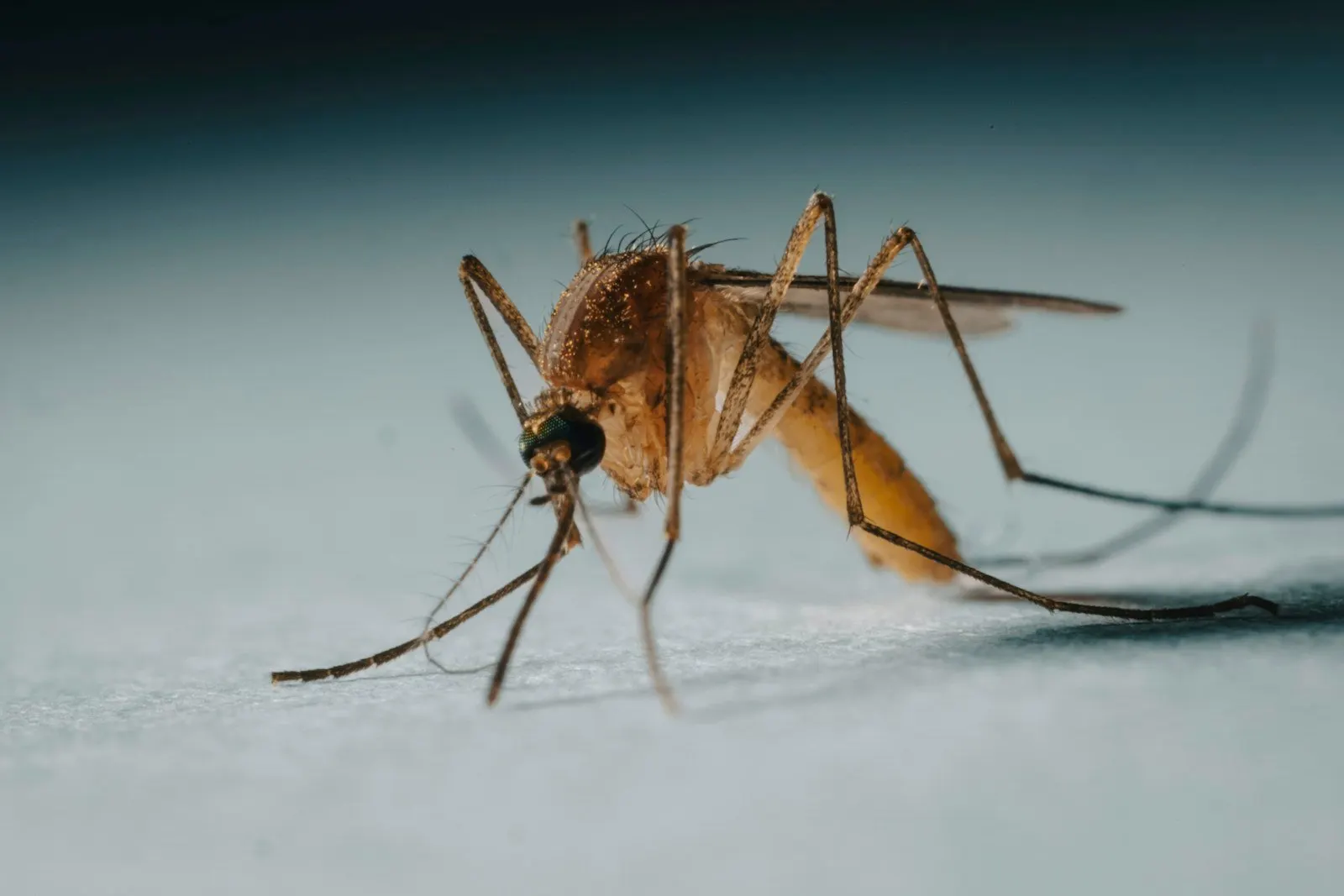
If you live near the Chain of Lakes, you know the mosquito problem isn’t one steady drone. It comes in pulses. The Chain of Lakes mosquito breeding window in Lakeland shifts week by week depending on which basin is up, which is down, and what the wind has been doing across the cypress flats. Here’s what actually happens around Lake Hollingsworth, Lake Mirror, and Lake Parker. This is an informational guide; mosquito treatment in Lakeland is performed by independent, FDACS-licensed Florida pest-control companies. For the common household pests our Polk County dispatch line currently covers, see pest control in Polk County.
Dealing with a pest problem right now?
📞 Call now — get matched with a licensed local exterminator: (888) 295-0220When you call, stay on the line for a few seconds while we match you with the licensed local exterminator for your area. Have your address and a quick description of the problem ready.
Licensed local pros · Fast response, subject to availability · No obligation
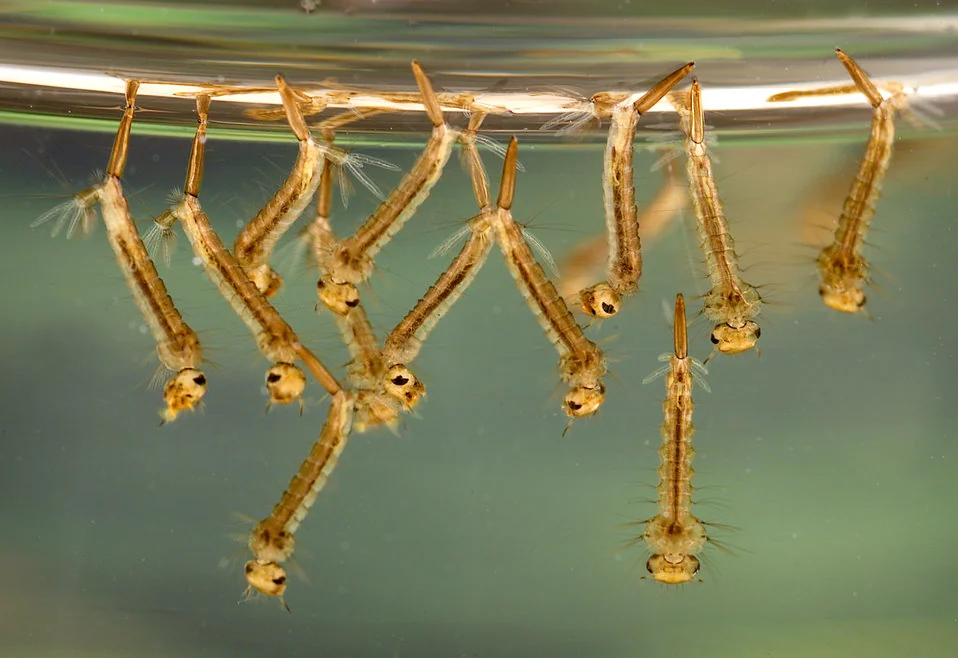
Why the Chain of Lakes Behaves Like Three Different Mosquito Zones
- Lake Hollingsworth: shallow, urban, ringed by Florida Southern and dense residential. Heavy bald cypress on the south end. Floodwater Aedes pressure when summer rains hit the low spots.
- Lake Mirror: small, downtown, almost entirely seawalled. Container mosquitoes (Aedes aegypti, Aedes albopictus) dominate here, fed by alleys, planters, and gutters more than the lake itself.
- Lake Parker: the big one. Almost 2,300 acres, marshy shoreline on the north and east. Culex nigripalpus loves the cattail edges, which is also why West Nile and EEE alerts pop up here more than the other two.
Week-by-Week: Lake Hollingsworth
Hollingsworth’s mosquito year starts mid-February if winter has been wet. Cypress knees on the south shore hold standing water in the buttress hollows, and that is where the first eggs hatch.
- Weeks 8 to 12 (late Feb to mid-March): first hatch in cypress and ornamental palms. Light biting at dusk near Lake Morton Drive.
- Weeks 13 to 18 (April to early May): dry season lull. Treatments scheduled here give the most days of relief per dollar.
- Weeks 22 to 30 (early June to late July): thunderstorm pattern locks in. Drainage swales on the country club side fill, and Aedes vexans explodes. Worst stretch.
- Weeks 31 to 36 (August): constant rain. Adults have shorter lifespans, but populations stay heavy as hatch cycles tighten.
- Weeks 37 to 42 (September to October): tropical storm pulses. One named system dumping eight inches resets the clock for three weeks.
Lake Mirror: A Container Mosquito Story, Not a Lake Story
Lake Mirror itself doesn’t breed much. The seawall and fountain circulation keep open water clean. What bites you downtown is coming from within 150 yards: a clogged Munn Park gutter, the saucer under a bromeliad in a Cass Street planter, the bottom of a recycling bin behind a Lemon Street restaurant.
- Weeks 12 to 18 (late March to early May): Aedes aegypti starts hitting container habitat hard. Downtown condo balcony complaints begin.
- Weeks 19 to 40 (May through early October): every rainstorm restarts the seven-to-ten-day egg-to-adult cycle.
- Weeks 41 to 46 (mid-Oct to mid-Nov): tapers, but a warm humid front in November gives you one more bad weekend.
The fix for Lake Mirror is source reduction, not fogging. The property owner has to walk for containers every seven days during the warm season. For shared common areas, downtown condo associations typically arrange recurring service through a licensed Florida pest-control company.
Lake Parker: Where the Vector Conversation Lives
Lake Parker is the one to take seriously. The north-shore marsh (Granada, North Lake Parker Drive, the Tenoroc edge) is prime Culex nigripalpus habitat, and that species drives the West Nile and EEE alerts PCMCD posts most summers.
- Weeks 14 to 20 (April to mid-May): first Culex bloom in the cattail edges. Sentinel chicken seroconversions usually start showing.
- Weeks 24 to 38 (mid-June through September): peak arbovirus alert window. If PCMCD pulls the AT-802F up for adulticide passes, this is when.
- Weeks 39 to 44 (October): biting drops fast once nights cool below 65, but daytime biting along the marsh persists.
If you border the marsh, this is the basin where private yard treatment pairs with county aerial work. The county handles the open marsh; the owner handles the shrub line and standing water at the house.
Treatment Windows That Actually Work
- Late February or early March barrier treatment buys you the dry-season patio weeks. Strongest value of the year.
- Early June is the second highest-value window. Catches the population before it triples on the daily rain pattern.
- Mid-August treatments hold roughly half as long because rains wash residual off shrub surfaces faster.
- Post-storm fogging within 72 hours of a tropical system resets the breeding clock.
- If you have pets or kids, ask about a pet-safe mosquito control approach during the on-site inspection.
- Winter Haven homeowners around the Chain’s southern basins face the same week-by-week breeding pattern — see mosquito control in Winter Haven for that area’s specifics.
For figuring out whether bites come from your yard or drift in from a neighbor, the yard-source vs neighbor-source guide walks through it. The summer mosquito surge breakdown covers July and August spikes, and the June Polk County pest control guide covers what else hits at the same time.
FAQ: Chain of Lakes Mosquito Breeding
When is mosquito season in Lakeland, FL?
Practical mosquito season around the Chain of Lakes runs late February through early November, worst from early June through late September. In mild winters you’ll see scattered hatch activity in cypress and bromeliad habitat as early as the second week of February.
Why is Lake Parker worse than Lake Hollingsworth?
Lake Parker has 2,300 acres of mostly natural shoreline with extensive cattail marsh on the north and east edges. That habitat breeds Culex nigripalpus, the main West Nile and EEE vector in Polk County. Hollingsworth is mostly urban shoreline with shallower habitat, so species mix and biting intensity differ.
Does Polk County Mosquito Control spray my yard?
No. PCMCD focuses on public right-of-way fogging and aerial adulticide passes over large breeding basins (Lake Parker marsh, the Green Swamp edge). Private yards and container habitat behind the house are not on their route. That gap is where a private FDACS-licensed operator comes in.
How fast can someone get to my house in Lakeland?
For non-emergency yard treatment, most FDACS-licensed operators can schedule within 24 to 48 hours in Lakeland. For a wedding, graduation, or out-of-town visit, a licensed Florida pest-control company can often fit a tighter timeline.
Is barrier spray safe around lakefront landscaping?
Modern pyrethroid barrier sprays applied per label are safe for ornamentals and turf when not applied directly to open water. FDACS-licensed operators keep applications away from shoreline buffer zones and pollinator blooms while still treating harborage zones on the upland side. The licensed company explains the exact product and sets the price after walking your property.
Disclaimer: Lakeland Exterminators is a local dispatch and referral service, not a licensed pest-control operator. We connect Polk County, Florida homeowners with independent, FDACS-licensed and insured pest-control companies. All inspections and treatments are performed by those independent providers, who set their own pricing, scheduling, and service terms.
Any reference to same-day, emergency, or 24/7 service describes the typical scheduling of matched independent providers and is not guaranteed; actual response times vary by provider, season, location, and demand.