📞 Call (888) 295-0220Open 24/7. Enter your ZIP on the keypad and talk live with a local pest control company that serves your area.
Lakeland takes its name seriously – with more than a dozen named lakes inside city limits, from Lake Hollingsworth to Lake Morton to Lake Parker, a large share of local homes sit close enough to water that summer humidity and rain-softened wood are a fact of life. That combination is exactly what draws carpenter ants indoors, especially after Polk County’s heaviest summer downpours.
Carpenter ants do not eat wood the way termites do – they excavate it to build nesting galleries, and they strongly prefer wood that is already softened by moisture over sound, dry lumber. Lakefront and near-lake properties in Lakeland tend to have more of that softened wood available, more often, than homes further inland.
Ant trails or mounds that keep coming back?
Call, enter your 5-digit ZIP on the keypad, and get connected live with a local pest control company. Free to call, 24/7.
Why Lakefront Properties See More Pressure
Elevated ambient humidity near the water
Proximity to open water keeps humidity levels higher around a home for more of the day, slowing how quickly exterior wood trim, fascia, and any exposed framing actually dries out after rain compared to a home several blocks inland.
Mature tree canopy and landscaping
Many of Lakeland’s older lakefront neighborhoods carry heavy tree canopy and dense landscaping, both of which keep shaded exterior wood damp longer after a storm and provide carpenter ants with outdoor nesting sites – old stumps, fallen limbs, landscape timbers – within easy reach of the house itself.
Dock, boathouse, and lakeside structure wood
Docks, boathouses, and other lakeside wood structures common on Lakeland’s waterfront lots are almost constantly exposed to moisture, and can become an established carpenter ant colony site that eventually sends foraging workers toward the main house.
Why Heavy Summer Rain Is the Trigger Point
Polk County’s summer storm pattern delivers intense, fast rainfall that can saturate exterior wood faster than it dries in the humid days that typically follow. A single heavy rain event is rarely the whole story – it is usually the tipping point on wood that was already trending damp from weeks of humid conditions, at which point carpenter ants already established nearby often become newly noticeable indoors as they search out expanded nesting space or food.
Signs to Watch For
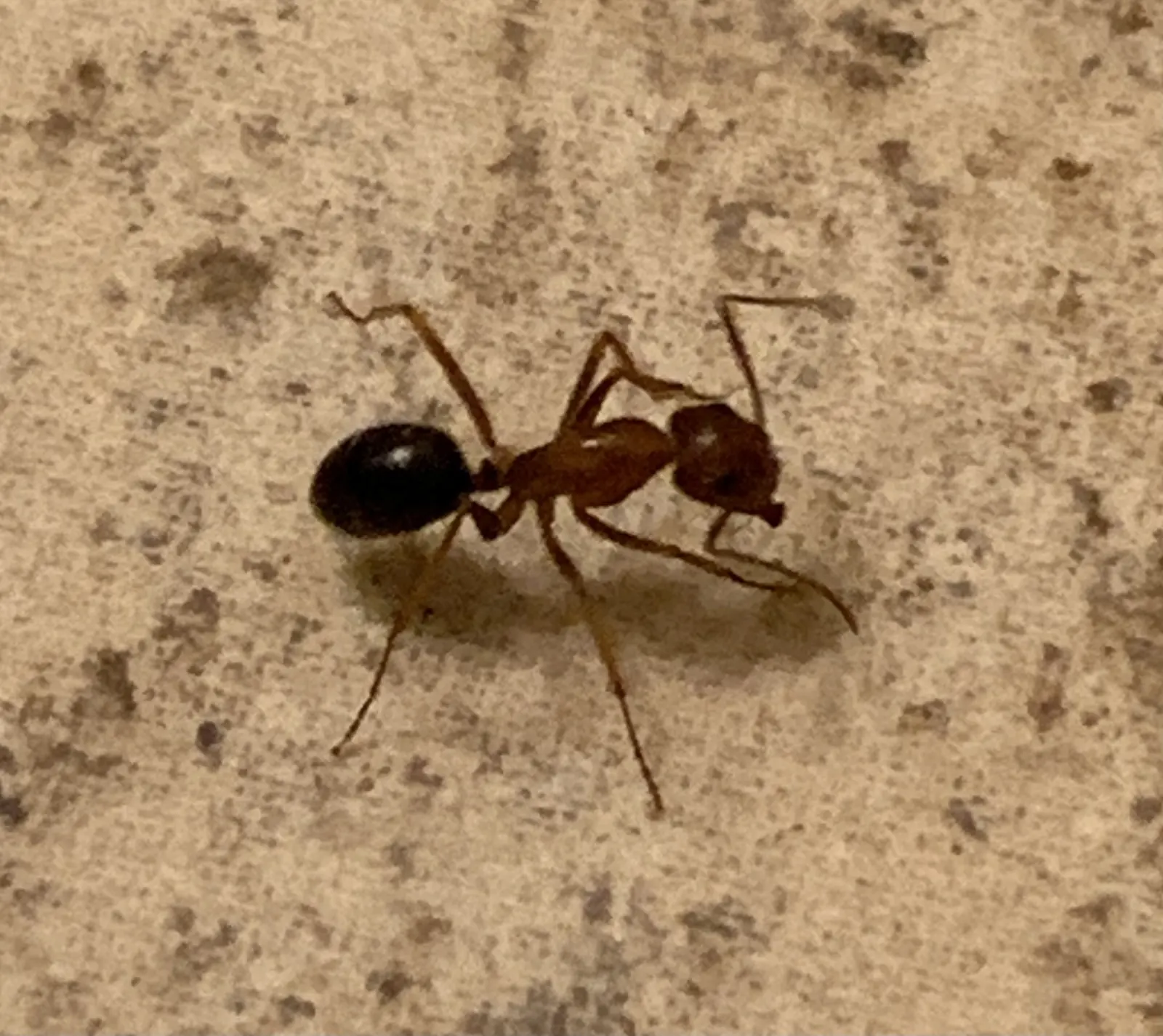
- Large black or reddish-black ants, noticeably bigger than common household ants, especially active at night
- Small piles of fine, sawdust-like debris (frass) near a window frame, baseboard, or exterior wall
- A faint rustling sound inside a wall void, most often noticed after dark
- Any exterior wood trim, fascia, or dock structure that feels soft or shows discoloration
Why Treating the Ants Alone Doesn’t Solve It
Because carpenter ants target existing moisture damage rather than causing it, addressing only the ant activity leaves the softened wood in place – both as an ongoing structural concern and an invitation for the next colony. An inspector can identify the ant activity and the conducive moisture conditions in the same visit, which is a more complete way to resolve a lakefront property’s recurring pressure rather than treating it once and seeing it return the following summer.
Get a Licensed Inspection for Your Polk County Home
One call reaches a local pest control company who covers your address — 24/7.
One call reaches a local pest control company who covers your address — 24/7.
Check the company before treatment starts
In Florida, pest control companies must hold a business license from the Florida Department of Agriculture and Consumer Services (FDACS) under Chapter 482, Florida Statutes. Ask for the company’s license number and look it up on the FDACS license search before work starts.
Get the treatment plan, the products to be used, any follow-up visits and the price in writing. For termite work, ask what the contract or bond covers, whether it’s retreatment only or includes repair of damage, and how long it lasts. Our guide on checking an FDACS pest control license walks through it.
How the call works
- Call (888) 295-0220. Any time, day or night.
- Enter your 5-digit ZIP code on your phone’s keypad when prompted.
- Get connected live with a local pest control company that serves your ZIP. Describe what happened and ask when they can come out and what the job will cost.
Frequently Asked Questions
Do carpenter ants mean my home also has termites?
Not necessarily. They are different pests with different signs, though a home with moisture damage significant enough to attract carpenter ants can sometimes have conditions attractive to termites as well, which is why a full inspection is worth covering both.
Are lakefront Lakeland homes always at higher risk than inland homes?
Generally, yes, proximity to open water and the associated humidity and tree canopy common on lakefront lots create more favorable conditions for carpenter ants than a typical inland property, though any home with an unresolved moisture issue can see the same pressure.
Can carpenter ants damage a dock or boathouse structurally?
Over time, an established colony can weaken wood that is already moisture-softened, which is part of why lakeside wood structures deserve periodic inspection alongside the main house.
How do I stop carpenter ants from coming back every summer?
Resolving the underlying moisture source – whether that is drainage, landscaping contact with the structure, or aging exterior wood – addresses the actual draw rather than just the current ant activity.
Is it normal to see a few carpenter ants without a full indoor infestation?
Yes, a few foraging workers can simply mean an outdoor colony nearby is sending workers in search of food, but consistent sightings alongside frass or wall sounds warrant an inspection to rule out an indoor nest.
Lakeland Exterminators is a free referral line that connects callers with independent local pest control companies. We don’t perform the work. The company you’re connected with gives the quote, does the work and stands behind it.