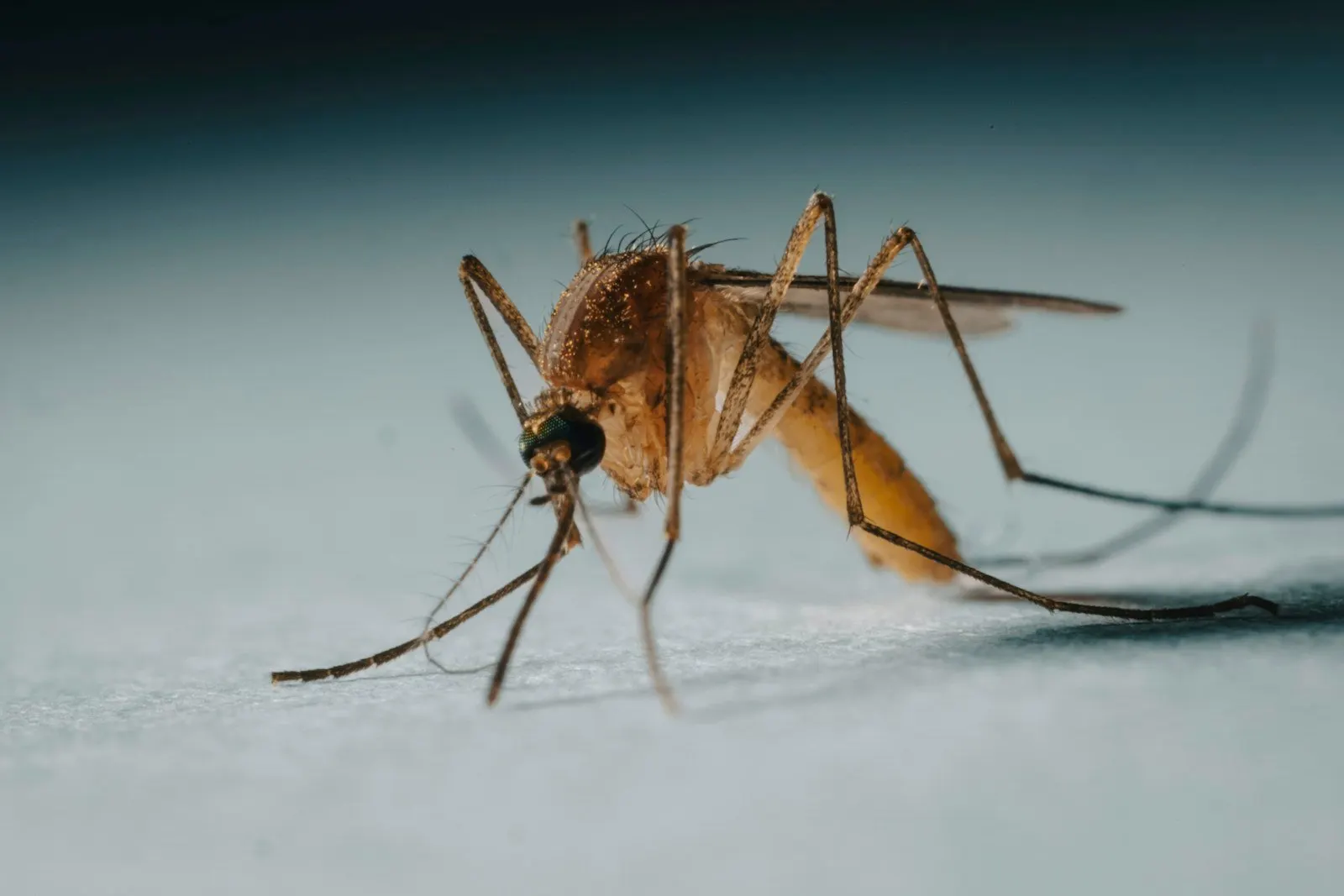
Can’t sit on the lanai at dusk because the mosquitoes drive you inside? Winter Haven is built around the Chain of Lakes, and all that water plus year-round Florida warmth gives mosquitoes a breeding season that barely pauses. Here’s why your yard may be the source and what licensed mosquito control actually does.
Dealing with a pest problem right now?
📞 Call now — get matched with a licensed local exterminator: (888) 295-0220When you call, stay on the line for a few seconds while we match you with the licensed local exterminator for your area. Have your address and a quick description of the problem ready.
Licensed local pros · Fast response, subject to availability · No obligation
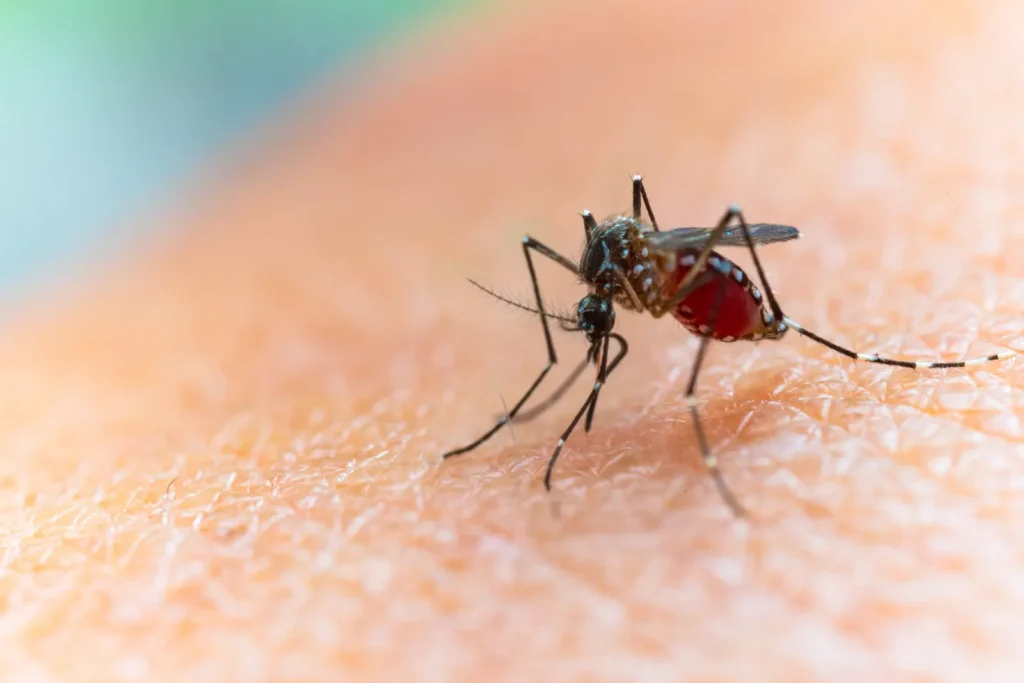
Living on the Chain of Lakes cuts both ways
Winter Haven is built around the Chain of Lakes — Howard, Cannon, May, Shipp, Lulu, Idylwild and the rest — stitched together by canals dug through the twentieth century to make the system navigable. It is the reason people live here, and it is also the first thing homeowners blame when they cannot sit on the lanai at dusk.
The blame is mostly misplaced, and understanding why is the single most useful thing on this page. Large open lakes are comparatively poor mosquito habitat. They hold fish that eat larvae, they have wave action that disrupts surface-breathing larvae, and they have predatory insects and shoreline birds. What actually produces the mosquitoes biting you on your own porch is far smaller and much closer: standing water in containers, usually within a hundred feet or so of where you are standing.
What the Chain does give Winter Haven is humidity, shoreline vegetation, and shaded resting habitat. Adult mosquitoes spend most of their lives not flying but resting in cool, humid, sheltered places — dense shrubbery, ivy and ground cover, the undersides of leaves, under decks and lanais, in leaf litter along a shoreline. A lakeside lot has a great deal more of that resting habitat than a bare subdivision lot does, which is why the same number of mosquitoes feels worse here.
The two mosquitoes Winter Haven feels most
Container-breeding day biters
The yellow fever mosquito and the Asian tiger mosquito are container specialists. They lay eggs on the damp inner walls of small artificial containers just above the waterline, and those eggs can sit dry for months and hatch when rain refills the container. They are weak fliers with short ranges, they bite aggressively during daylight and especially around dawn and dusk, and they are almost always breeding on your property or a neighbour’s rather than out on the water.
The list of containers that matter in a Winter Haven yard is longer than most people expect: plant saucers, bromeliad leaf axils, boat covers and tarps that pool, kayaks and canoes stored upright, clogged gutters, corrugated downspout extensions, tire swings, irrigation valve boxes, birdbaths, pet bowls, wheelbarrows, buckets, the pleats of a folded patio umbrella, the tray under a potted citrus, and the bilge of anything moored or trailered on the lot.
The southern house mosquito
This is the night biter, and it wants the opposite of clean water: it breeds in water rich in organic matter. Catch basins, ditches with leaf litter, retention areas, clogged gutters full of decomposing oak debris, and neglected ornamental ponds all suit it. It is the species most associated with West Nile virus transmission in Florida, which is why the Florida Department of Health runs arbovirus surveillance — including sentinel chicken flocks — and issues county-level advisories when activity rises.
Bromeliads are the Winter Haven blind spot
Bromeliads are everywhere in Central Florida landscaping, and every leaf axil holds a small reservoir of water that is a near-perfect container-mosquito nursery — sheltered, shaded, and undisturbed. A single mature bromeliad bed can out-produce every bucket in the yard combined. You do not have to remove them: flushing the axils with a hose weekly during the wet season physically dislodges larvae, and there are labeled larvicide products a licensed company can use in ornamental plantings. But an untouched bromeliad bed will keep a yard biting no matter how thorough the rest of the source reduction is.
Why the county’s program is not the same as yard service
Polk County operates a mosquito control program, and it does real work — area-wide adulticiding, larviciding of public water bodies and drainage structures, surveillance trapping, and response to complaints such as abandoned swimming pools. What it generally does not do is treat individual private yards on request. County programs are designed to suppress regional populations and address public-health risk, not to make one particular lanai comfortable at 7 p.m.
That gap is why private yard-level service exists, and it is also why the two are complementary rather than redundant. For a week-by-week look at how breeding windows move through the local lake system, see Chain of Lakes mosquito breeding windows.
Is it your yard or your neighbour’s?
Because the day-biting container species are weak fliers with short flight ranges, a persistent daytime biting problem usually means a source close by. If you have genuinely eliminated standing water on your own lot and are still being bitten hard during the day, the source is likely within a short distance — a neighbour’s unscreened rain barrel, an unmaintained pool, a boat cover, a stack of containers behind a fence. Night biting behaves differently, because the southern house mosquito ranges farther and often comes from drainage infrastructure rather than a yard at all. Working out which pattern you have is the difference between a fix that holds and one that does not, and this walkthrough on telling yard sources from neighbour sources covers the method.
What licensed mosquito control actually does
Inspection and source reduction
Competent service starts with a walk of the property to find and document larval habitat — every container, every axil, every low spot that holds water more than a few days, gutters, valve boxes, and any water feature. Most of the durable improvement comes from here, and most of it is work the homeowner can maintain once it has been identified.
Larviciding
Where water cannot be eliminated — ornamental ponds, rain barrels, bromeliad beds, catch basins, low areas that reflood every storm — labeled larvicides target the larval stage in the water. Bacterial larvicides such as Bacillus thuringiensis israelensis and insect growth regulators are the usual tools, and they are specific enough to be used in a lot of sensitive settings when applied to label.
Barrier treatment of resting habitat
The adult-stage treatment is a residual applied to the vegetation and structures where mosquitoes rest during the day — the undersides of foliage, dense shrub interiors, ground cover, under decks and lanais, fence lines. It is not a fog of the open yard, and applying it correctly means treating resting sites rather than blanketing everything. On a lakefront lot the label restrictions around the water’s edge matter, and a licensed applicator works within them.
A service interval, not a single visit
Residuals break down under Florida sun and rain, and the wet season refills containers constantly. Ongoing yard service is generally run on a recurring interval through the warm months rather than as a one-off. How often depends on the lot, the vegetation, and how much standing water cannot be removed.
What to do yourself, in priority order
1. Walk the property after a rain and tip, drain, or store every container that holds water. 2. Flush bromeliad axils weekly with a hose. 3. Clear gutters and check that downspout extensions drain rather than pool. 4. Screen rain barrels and any open water storage with fine mesh. 5. Change birdbath and pet water at least twice a week. 6. Fix the pool pump, or cover the pool properly — an untended pool is a mosquito factory and a common complaint subject. 7. Thin dense ground cover and shrub interiors near seating areas to cut resting habitat. Nothing on this list requires a license, and together it does more than any single application.
Screening, timing, and personal protection on the water
A screened lanai only works if the screen is intact and the door closes properly; a torn corner or a warped door sweep undoes the whole enclosure. Where you cannot exclude, adjust exposure: the container species peak around dawn and dusk, so shifting outdoor time or using fans on a porch (mosquitoes are weak fliers and moving air genuinely deters them) helps. EPA-registered repellents applied per label remain the reliable personal measure, and long sleeves at dusk on the shoreline are not an overreaction during a Department of Health advisory.
Get matched with a licensed Winter Haven mosquito pro
Lakeland Exterminators is a dispatch and matching service, not a licensed pest control operator. We do not inspect, treat, price, or warranty the work. Describe your lot, where the biting happens, and what time of day, and we route it to an independent, FDACS-licensed company covering Winter Haven and the Chain of Lakes; that company inspects and sets its own scope and terms. See also mosquito control in Lakeland and pest control in Winter Haven.
Winter Haven mosquito FAQs
Does living on the Chain of Lakes mean I’ll always have mosquitoes?
No, and the lake is usually not the source. Large open lakes are relatively poor mosquito habitat because of fish predation, wave action, and shoreline predators. The mosquitoes biting you on the lanai are almost always breeding in small containers on or very near your own lot. What the lake genuinely adds is humidity and shaded shoreline resting habitat for adults.
Why am I getting bitten in the daytime?
Daytime and dawn-and-dusk biting points to the container-breeding species, the yellow fever and Asian tiger mosquitoes. They are weak fliers with short ranges, so persistent day biting means a breeding container close by, on your property or a neighbour’s, rather than a distant water body.
What’s the single most effective thing I can do myself?
Walk the property after every heavy rain and eliminate standing water in containers, then flush bromeliad leaf axils with a hose weekly. Source reduction removes the mosquitoes before they can fly, which no adult treatment can match. Bromeliads specifically are the most commonly missed source in Central Florida landscaping.
Is mosquito treatment safe around the lake and my pets?
It depends entirely on working to the product label, which is why licensing matters. Labeled products carry specific restrictions near water bodies and specific re-entry intervals for people and pets, and a licensed Florida applicator is required to follow them. Ask what is being applied, where, and what the re-entry interval is before service.
How often does a lakefront yard need service?
Usually on a recurring interval through the warm months rather than as a single visit. Residual products break down under Florida sun and rain, and wet-season storms refill containers continually. The interval depends on lot size, how much dense vegetation provides resting habitat, and how much standing water cannot be eliminated.
Will Polk County Mosquito Control treat my yard?
Generally no. County programs are area-based public-health operations — regional adulticiding, larviciding of public water bodies and drainage structures, surveillance, and response to issues such as abandoned pools. They are not designed to treat individual private yards on request, which is why yard-level service is a separate, private undertaking.
What about mosquitoes that bite only after dark?
That pattern usually points to the southern house mosquito, which breeds in water rich in organic matter — catch basins, leaf-filled gutters, ditches, neglected ornamental ponds — and ranges farther than the container species. It is also the species most associated with West Nile virus in Florida, which is why the Department of Health runs arbovirus surveillance and issues county advisories.
Do bug zappers, ultrasonic devices, or citronella plants work?
Not meaningfully. Electric zappers kill mostly non-target insects and very few biting mosquitoes. Ultrasonic repellent devices have not held up in testing. Citronella and similar plants do not repel at useful distances simply by growing nearby. Source reduction, screening, moving air from a fan, and EPA-registered repellents applied per label are what actually change the experience.
Last reviewed August 2026 · reviewed on a quarterly cycle. Lakeland Exterminators is a dispatch and matching service that connects Polk County homeowners with independent, FDACS-licensed pest-control companies; we are not a licensed pest control operator and do not perform treatments ourselves.
Disclaimer: Lakeland Exterminators is a local dispatch and referral service, not a licensed pest-control operator. We connect Polk County, Florida homeowners with independent, FDACS-licensed and insured pest-control companies. All inspections and treatments are performed by those independent providers, who set their own pricing, scheduling, and service terms.
Any reference to same-day, emergency, or 24/7 service describes the typical scheduling of matched independent providers and is not guaranteed; actual response times vary by provider, season, location, and demand.